テーマ:
object(オブジェクト)の意味・用法まとめ (3 意味)
意味 1:物体 (object*)
object*
/ˈɑb.dʒɪkt/
n.
A physical thing that you can see and touch, that is not alive and not an idea.

物体
➕
ぶったい
n.
目に見え、触れることができる物理的な実体。生き物ではなく、概念でもない具体的なもの。
📘 詳細と使い方
📖 語根解説
「ob-」(~に向かって)+「jacere」(投げる)から派生。ラテン語「objectum」(前に投げられたもの)に由来。
💡 記憶法
「ob」(向かって)+「ject」(投げる)で「目の前に投げられたもの」→物体や目的を連想。
📖 例文
On the kitchen table was a strange shiny object that no one could identify.
台所のテーブルの上に、誰も正体が分からない奇妙で光る物体があった。
🔗 コロケーション
physical object – 物理的物体
solid object – 固形物
household object – 家庭用品
🚫 対義語
idea (n.) – 心の中の概念や考え
🌱 派生語
objective (adj.) – 客観的な(物体のように外部に存在する)
📖 文化的背景
ラテン語の「objectum」(前に投げられたもの)に起源を持つ。元々は「目の前に提示されたもの」を指し、後に物理的な物体、目的、文法上の目的語へと意味が拡張された。
意味 2:目的 (object*)
object*
/ˈɑb.dʒɪkt/
n.
The purpose, aim, or goal of an action or effort; something you try to achieve.

目的
➕
もくてき
n.
行動や努力の最終的な目標、目指すもの。達成しようとする具体的な成果。
📘 詳細と使い方
📖 例文
Her main object in joining the gym was to lose weight and feel healthier.
彼女がジムに入会した主な目的は体重を減らして健康になることだった。
🔗 コロケーション
main object – 主たる目的
object of the exercise – その活動の目的
object of desire – 憧れの対象
🚫 対義語
means (n.) – 目的を達成するための手段
🌱 派生語
objective (n.) – 目標、目的(より具体的)
意味 3:目的語 (object*)
object*
/ˈɑb.dʒɪkt/
n.
In grammar, the person or thing that is affected by the action of a verb. It usually comes after the verb.
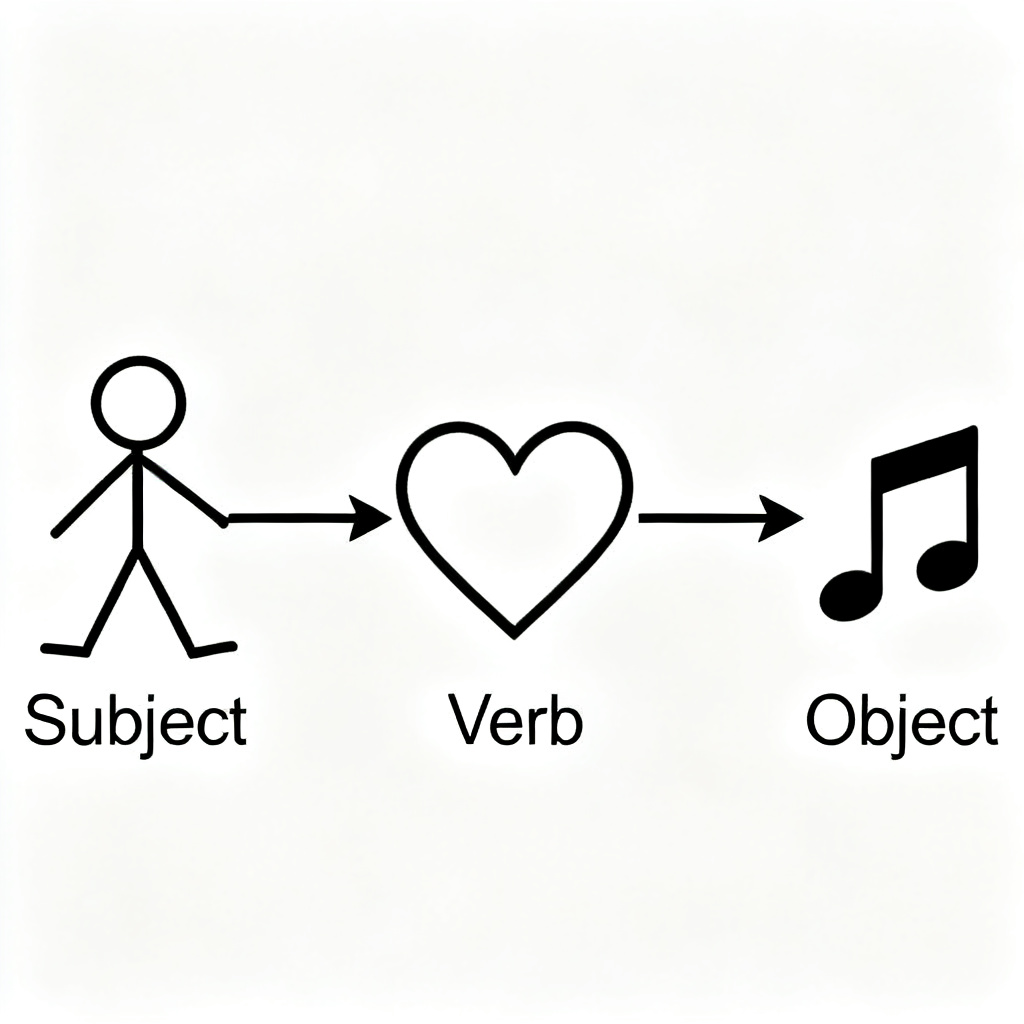
目的語
➕
もくてきご
n.
文法において、動詞の表す動作の影響を受ける人や物。通常は動詞の後に置かれ、直接目的語と間接目的語に分かれる。
📘 詳細と使い方
📖 例文
In the sentence ‘The cat chased the mouse‘, the word ‘mouse‘ is the direct object.
「猫がネズミを追いかけた」という文では、「ネズミ」が直接目的語である。
🔗 コロケーション
direct object – 直接目的語
indirect object – 間接目的語
object of a preposition – 前置詞の目的語
🔄 類義語
complement (n.) – 文の要素として動詞を補う語
🚫 対義語
subject (n.) – 文の中で動作を行う主体
🌱 派生語
objectify (v.) – 目的化する、対象化する
単語帳
データはこのブラウザに保存されています