テーマ:
nationality の意味と使い方 | 国籍と民族の違い (2 意味)
意味 1:国籍 (nationality)
nationality
/ˌnæʃəˈnæləti/
n.
The legal status of belonging to a particular country, usually shown on your passport.

国籍
➕
こくせき
n.
特定の国に属する法的な身分。パスポートなどで証明される。
📘 詳細と使い方
📖 語根解説
ラテン語「natio」(出生、民族)+接尾辞「-ality」(状態)に由来。
💡 記憶法
「ナショナリティ」の「ナ」は「国(nation)」、パスポートの国籍欄を思い出す。
📖 例文
When filling out the airport form, she wrote "Chinese" in the box for nationality.
空港の用紙を記入するとき、彼女は国籍の欄に「中国」と書いた。
🔗 コロケーション
dual nationality – 二重国籍
nationality law – 国籍法
change nationality – 国籍変更
🔄 類義語
citizenship (n.) – 市民権、国籍とほぼ同義
national identity (n.) – 国民的アイデンティティ
🌱 派生語
national (adj.) – 国の、国民の
naturalize (v.) – 帰化する
📖 文化的背景
ラテン語「natio」が古フランス語を経て英語に入り、16世紀に「国民の属性」として定着。パスポートの項目として日常的に使われる。
意味 2:民族 (nationality)
nationality
/ˌnæʃəˈnæləti/
n.
A large group of people who share the same culture, language, and history, and feel they belong together.
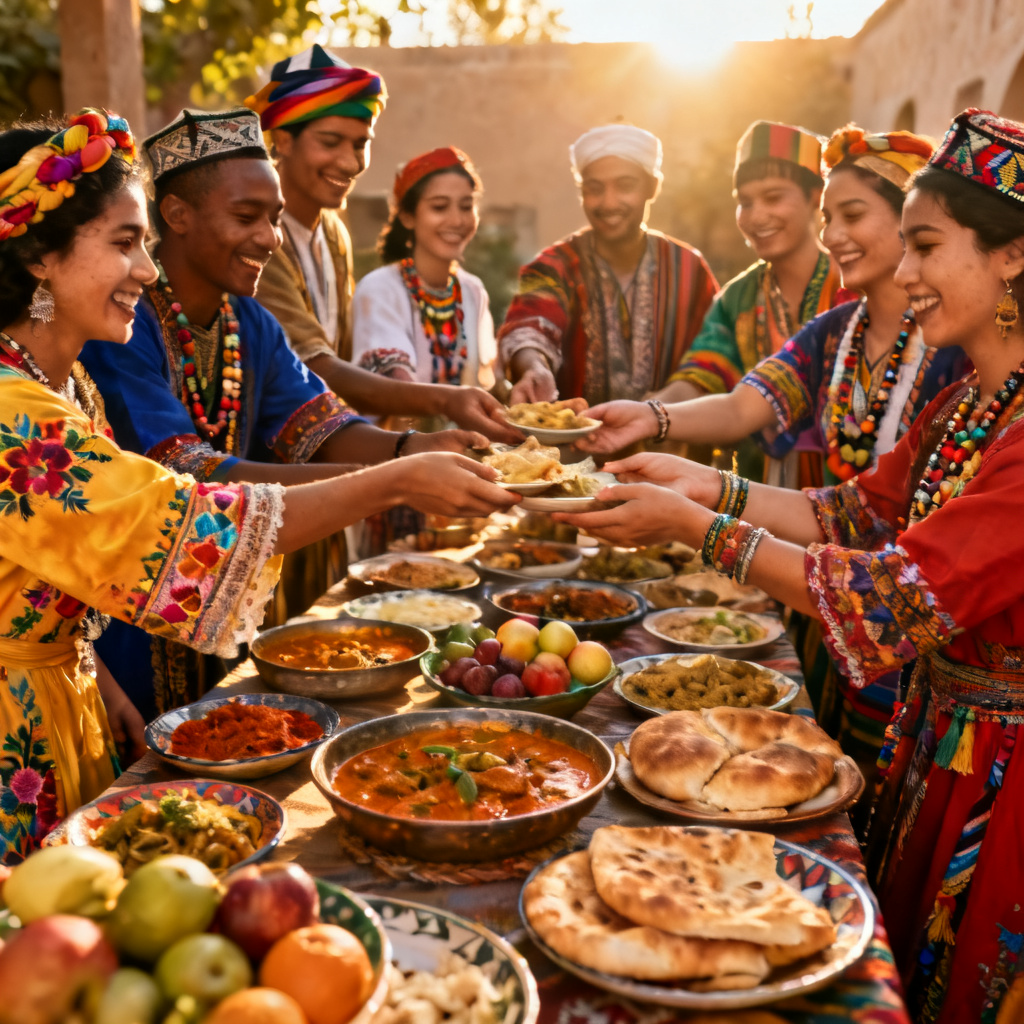
民族
➕
みんぞく
n.
同じ文化、言語、歴史を共有する大規模な人々の集団。
📘 詳細と使い方
📖 例文
China is a country with 56 officially recognized ethnic groups, but they all share the Chinese nationality.
中国は公式に56の民族が認められているが、全員が中国の国籍を持つ。
🔗 コロケーション
ethnic nationality – 民族的国民
minority nationality – 少数民族
nationality group – 民族グループ
🔄 類義語
ethnicity (n.) – 民族性、文化的アイデンティティ
ethnic group (n.) – 民族集団
🌱 派生語
multi-nationality (n.) – 多民族性
単語帳
データはこのブラウザに保存されています