テーマ:
is in order の2つの意味と正しい使い方 (2 意味)
意味 1:当然である (is in order)
is in order
/ɪz ɪn ˈɔːrdər/
phr.v.
It means something is appropriate, proper, or should be done.

当然である
➕
とうぜんである
phr.v.
物事が適切であり、行われるべきであることを示す。
📘 詳細と使い方
📖 語根解説
「イン・オーダー」はラテン語「オルド」(順序)に由来し、「適切な状態」を意味する。
💡 記憶法
「オーダー(注文)が整う」と覚えよう。適切な行動や料理の完了をイメージ。
📖 例文
After spilling water on her friend's book, an apology is in order.
友達の本に水をこぼした後、謝罪が当然である。
🔗 コロケーション
an apology is in order – 謝罪が当然である
a change is in order – 変更が必要である
a celebration is in order – 祝賀すべきである
🔄 類義語
🚫 対義語
inappropriate (adj.) – 不適切な
improper (adj.) – 不適切な
📖 文化的背景
16世紀から英語で使われ、法律文書などで「正式に整っている」という意味で用いられた。現在は日常会話やレストランで頻繁に使われる。
意味 2:出来上がり (is in order)
is in order
/ɪz ɪn ˈɔːrdər/
phr.v.
Used in restaurants to say the food you ordered is ready to be served.
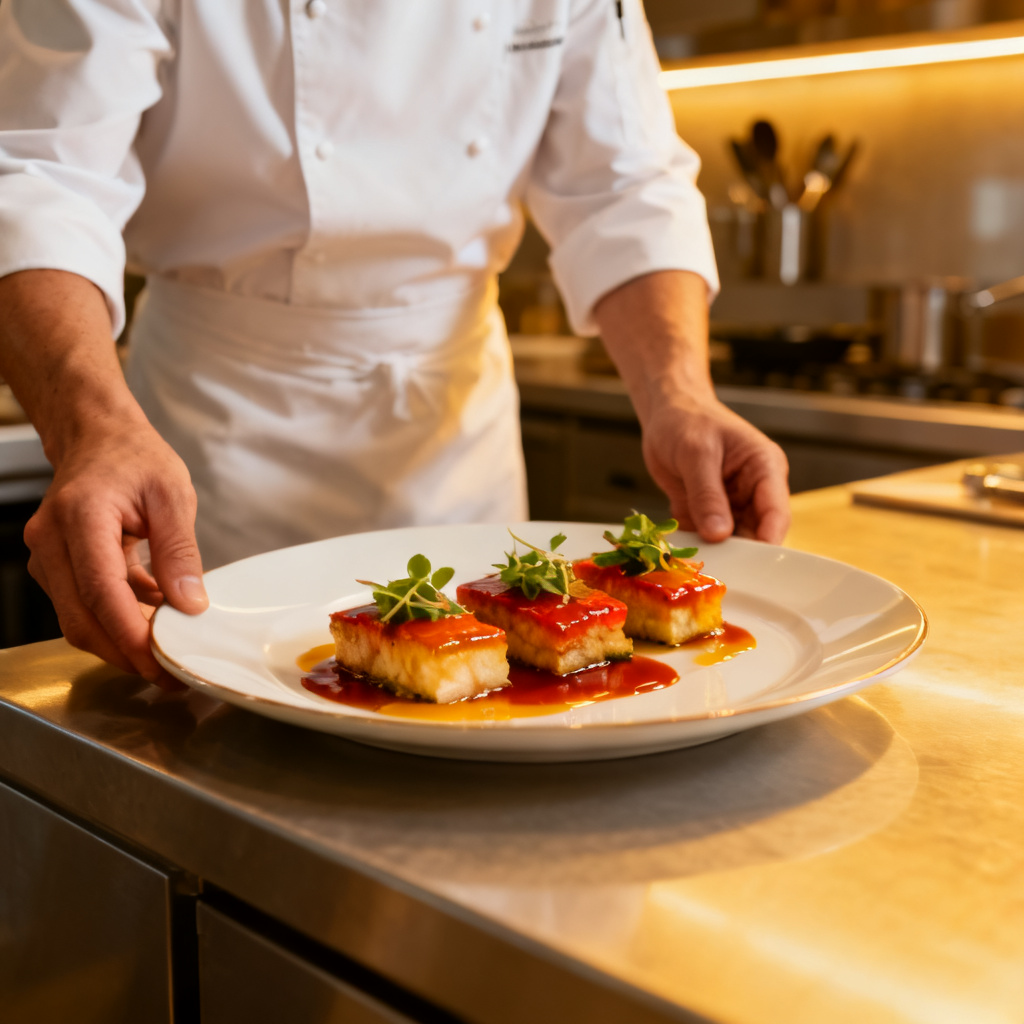
出来上がり
➕
できあがり
phr.v.
レストランで注文した料理が提供できる状態になったことを伝える表現。
📘 詳細と使い方
📖 例文
The waiter smiled and said, "Your main course is in order and will be right out."
ウェイターが微笑んで言った、「メインコースが出来上がりましたので、すぐにお持ちします。」
🔗 コロケーション
your order is in order – ご注文が出来上がりました
the steak is in order – ステーキが出来上がりました
everything is in order – 全て準備完了です
🚫 対義語
not ready (adj.) – 準備ができていない
still cooking (adj.) – まだ調理中
単語帳
データはこのブラウザに保存されています