テーマ:
deficit - 英语词汇详解 (2 意味)
意味 1:赤字 (deficit)
deficit
/ˈdɛfɪsɪt/
n.
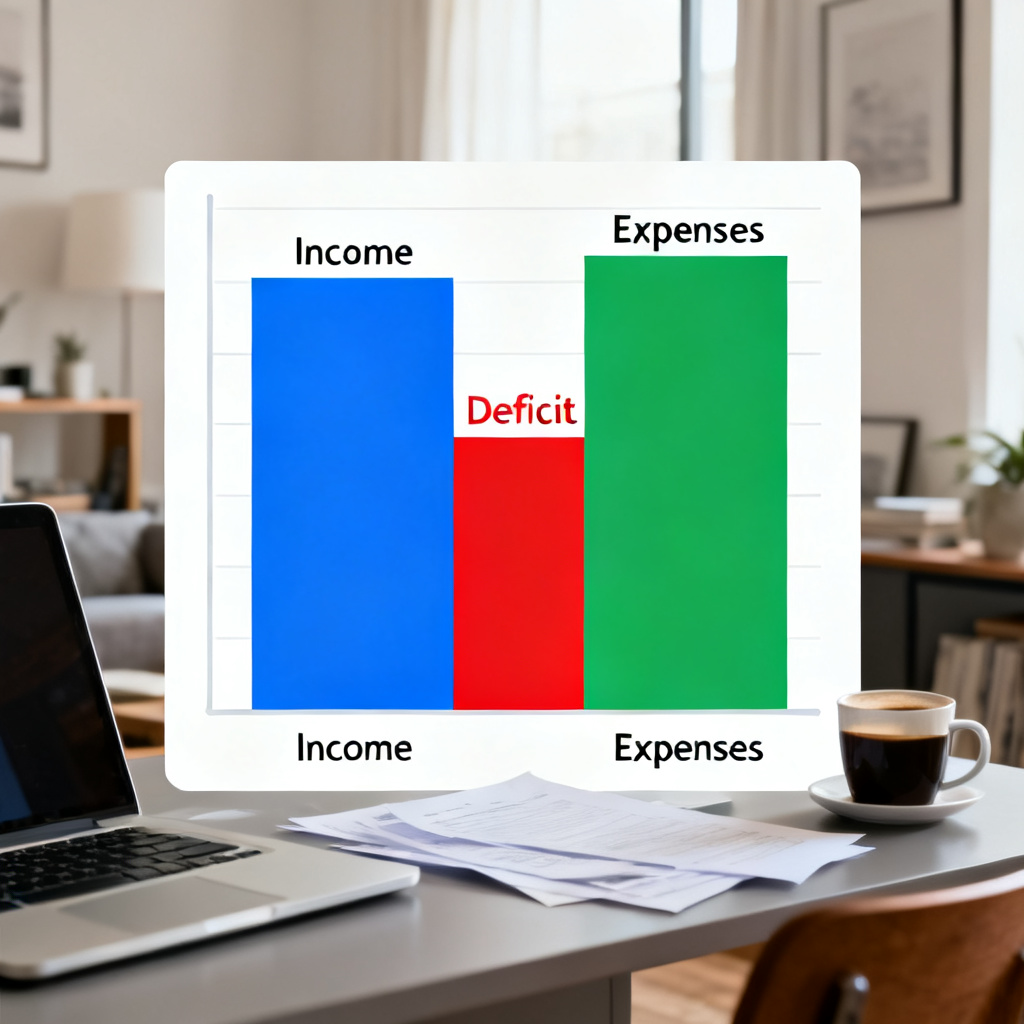
When you spend more money than you have or earn, especially for a government or company. It's like having a negative number in your bank account.
赤字
➕
あかじ
n.
収入よりも支出が多く、マイナスの状態。特に政府や企業の財政状況を表す。
📘 詳細と使い方
📖 語根解説
ラテン語「deficere(不足する)」由来。「de-(下へ)」+「facere(する)」の合成。
💡 記憶法
「出費(で)+フィットしない(ficit)」→収入に合わない出費=赤字。
📖 例文
The government is trying to reduce the budget deficit by investing more in renewable energy projects.
政府は再生可能エネルギー事業への投資を増やすことで、財政赤字の削減を目指している。
🔗 コロケーション
budget deficit – 財政赤字
trade deficit – 貿易赤字
deficit spending – 赤字支出
🌱 派生語
deficit-financed (adj.) – 赤字財政の
deficitary (adj.) – 赤字の
📖 文化的背景
ラテン語「deficere」は「見捨てる・失敗する」が原義。中世に財政不足を指すようになり、18世紀に経済用語として定着。
意味 2:不足 (deficit)
deficit
/ˈdɛfɪsɪt/
n.
A lack or shortage of something that is needed or expected, not just money. It can be about skills, resources, or even sleep.

不足
➕
ふそく
n.
必要なものが十分にない状態。お金以外にも睡眠や資源など様々な分野で使う。
📘 詳細と使い方
📖 例文
The doctor said his constant tiredness might be due to a sleep deficit caused by working night shifts.
医者は彼の絶え間ない疲労は、夜勤による睡眠不足が原因かもしれないと言った。
🔗 コロケーション
sleep deficit – 睡眠不足
attention deficit – 注意欠如
calorie deficit – カロリー不足
🌱 派生語
deficit disorder (n.) – 欠如障害(注意欠如など)
単語帳
データはこのブラウザに保存されています