テーマ:
bare - 英语词汇详解 (2 意味)
意味 1:むき出しの (bare)
bare
/beə(r)/
adj.
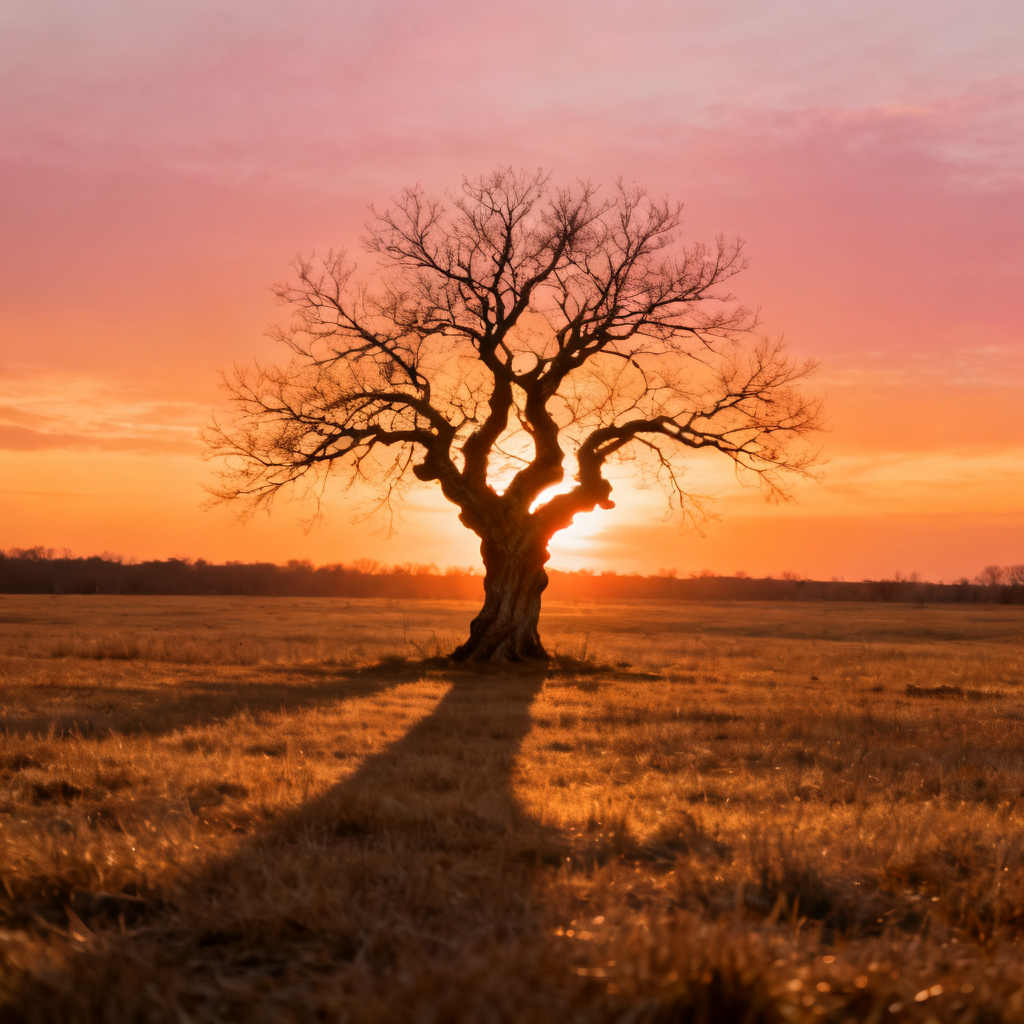
When land, a hill, or a tree has no grass, plants, or leaves on it.

むき出しの
➕
むきだしの
adj.
土地や丘、木などに草や葉がなく、何も覆われていない状態を指す。
📘 詳細と使い方
📖 語根解説
古英語の「bær」に由来し、「裸の」を意味する。
💡 記憶法
「bare ground」=「はだかの地面」、「bare feet」=「はだしの足」とセットで覚えよう。
📖 例文
After the fire, the hillside was completely bare, with only black soil visible.
火事の後、丘の斜面は完全にむき出しになり、黒い土だけが見えていた。
🔗 コロケーション
bare ground – むき出しの地面
bare hillside – むき出しの丘の斜面
bare tree – 葉のない木
📖 文化的背景
「bare」は古英語「bær」に由来し、もともとは「裸の」という意味。現代英語では、地面が草木のない状態や、体の一部が衣服で覆われていない状態を表す。
意味 2:裸の (bare)
bare
/beə(r)/
adj.
When a part of your body is not covered by clothes or shoes.
裸の
➕
はだかの
adj.
体の一部が衣服や靴で覆われていない状態を指す。
📘 詳細と使い方
📖 例文
He took off his shoes and walked on the beach with bare feet.
彼は靴を脱いで、裸足でビーチを歩いた。
🔗 コロケーション
bare feet – 裸足
bare legs – 素足
bare arms – 半袖の腕
単語帳
データはこのブラウザに保存されています