テーマ:
accessoryの意味と使い方!装飾品・従犯の違い (2 意味)
意味 1:装飾品 (accessory)
accessory
/əkˈsesəri/
n.
Something extra that you add to an outfit or an object to make it look better, more stylish, or complete.
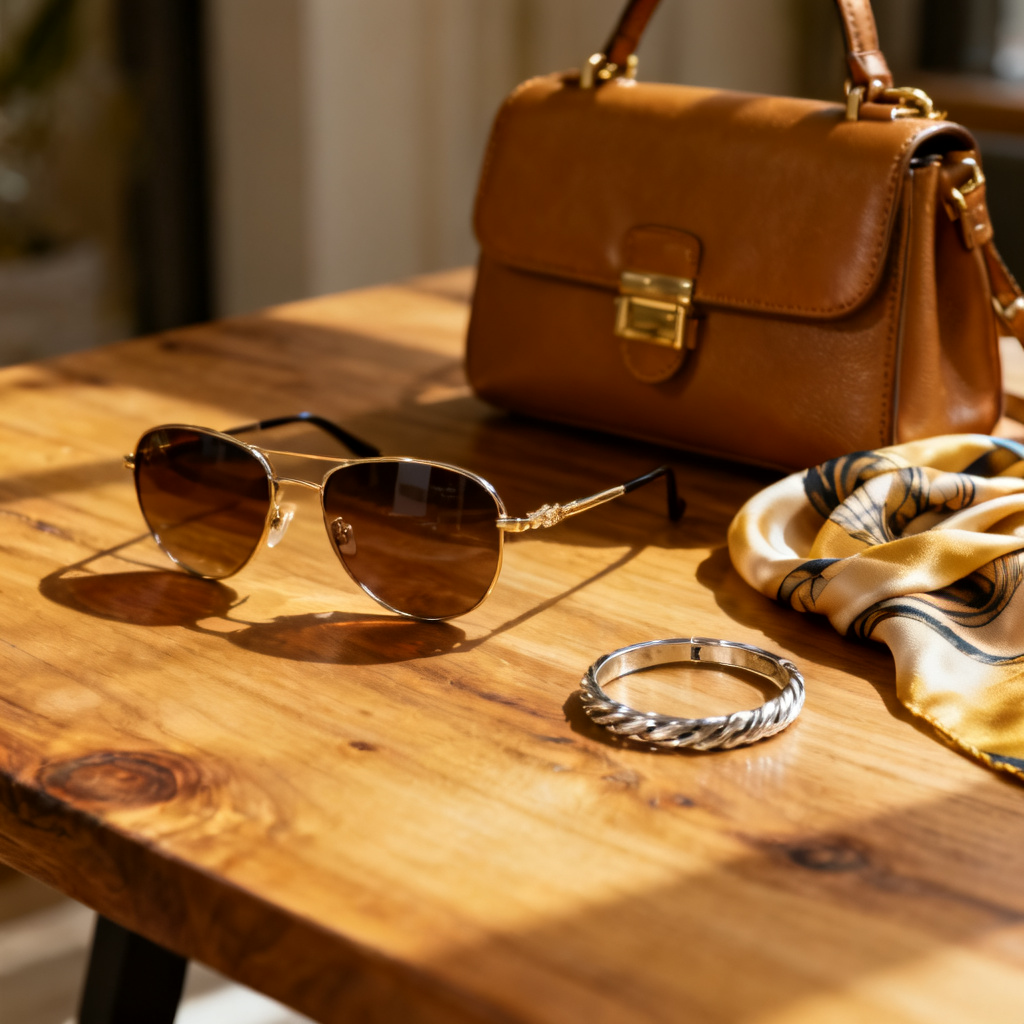
装飾品
➕
そうしょくひん
n.
衣服や物に付けて、見た目を良くしたり、完成度を高めたりするための追加の品物。
📘 詳細と使い方
📖 語根解説
ラテン語の「アクセサリウス」(付属の)が語源。接頭辞「アド」(~へ)と「ケデレ」(行く)から成る。
💡 記憶法
「アクセサリー=アクセス(追加)」と覚える。服に追加する小物、犯罪に追加で関わる人。
📖 例文
Her simple black dress looked elegant, but it was the statement necklace and matching earrings that accessory really made the outfit stand out.
彼女のシンプルな黒いドレスはエレガントに見えたが、印象的なネックレスとお揃いのイヤリングという装飾品がその服装を引き立てた。
🔗 コロケーション
fashion accessory – ファッションアクセサリー
hair accessory – ヘアアクセサリー
accessory set – アクセサリーセット
🔄 類義語
ornament (n.) – 装飾品、飾り
decoration (n.) – 装飾、飾り物
🚫 対義語
necessity (n.) – 必需品(装飾品ではなく、必須のもの)
🌱 派生語
accessorize (v.) – アクセサリーを付ける
📖 文化的背景
元々法律用語で「従犯」を意味。19世紀以降ファッション業界で「装飾品」の意味が一般化。両者とも「主要なものに付随する」概念を共有。
意味 2:従犯 (accessory)
accessory
/əkˈsesəri/
n.
A person who helps someone else commit a crime, but is not present when the main crime happens.

従犯
➕
じゅうはん
n.
犯罪の実行には直接関与していないが、事前に助言や支援を提供した人物。主犯の手助けをした者。
📘 詳細と使い方
📖 例文
The driver who waited outside the bank was charged as an accessory to the robbery because he knowingly provided the getaway car.
銀行の外で待っていた運転手は、逃走用の車を提供したことを知りながら強盗の従犯として起訴された。
🔗 コロケーション
accessory before the fact – 事前従犯
accessory after the fact – 事後従犯
an accessory to murder – 殺人の従犯
🔄 類義語
accomplice (n.) – 共犯者(しばしば現場にいるが、従犯と重なる範囲)
abettor (n.) – 教唆者、幇助者
🌱 派生語
accessorial (adj.) – 従犯の、付随的な
単語帳
データはこのブラウザに保存されています