Reading Theme:
Year Definition: 12-Month Period Explained
Meaning 1:12-month period (year)
year
/jɪr/
n.
A period of time that lasts for 12 months or 365 days (366 in a leap year), the time it takes for the Earth to go around the Sun.
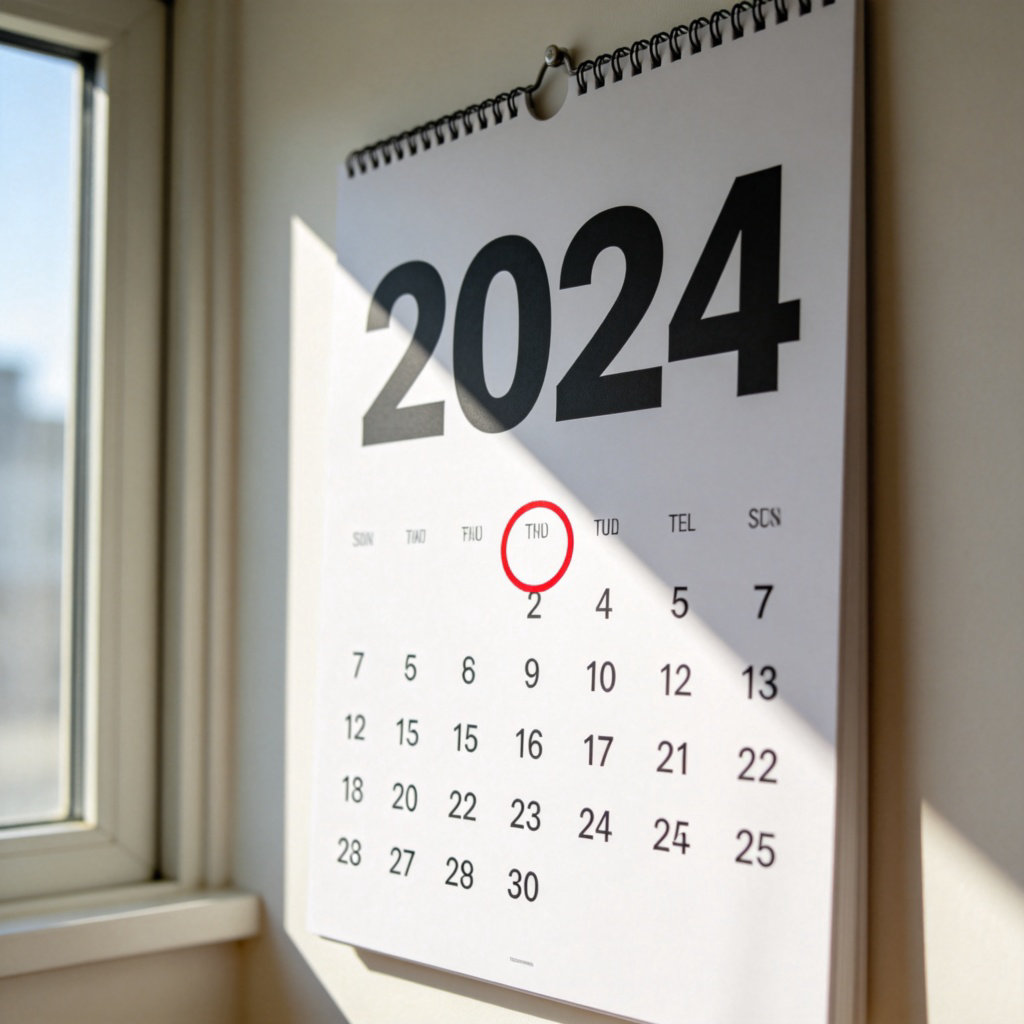
12-month period
➕
/twɛlv mʌnθ ˈpɪriəd/
n.
A unit of time equal to 12 months or 365 days (366 in a leap year), based on the Earth's revolution around the Sun. It is used to measure age, duration, and historical events.
📘 Details & Usage
📖 Root Explanation
From Old English 'gear', from Proto-Germanic *jērą, meaning 'year'.
💡 Mnemonic
A year is a full circle around the sun. Remember: 'Y' for 'You go around once'.
📖 Example
My favourite year was 2019, when my whole family went on a trip to the seaside.
My favourite year was 2019, when my whole family went on a trip to the seaside.
🔗 Collocations
last year – the year before the current one
new year – the start of a calendar year, often celebrated with festivities
year after year – continuously over many years
🔄 Synonyms
twelvemonth (n.) – an old-fashioned term for a year
annum (n.) – formal term for a year, used in finance and contracts
calendar year (n.) – a year as measured by the Gregorian calendar, from January 1 to December 31
🌱 Derivatives
📖 Cultural Story
The concept of a year is tied to Earth's orbit around the Sun. Ancient Romans originally had a 10-month calendar, later expanded to 12 months by Numa Pompilius. The word 'year' shares roots with Greek 'hōra' and Latin 'annus'.
Wordbook
Your data is saved in this browser