Reading Theme:
Variation Definition, Usage & Key Differences (2 meaning)
Meaning 1:slight change or difference (variation)
variation
/ˌveəriˈeɪʃn/
n.
A slight change or difference in something, like how the same ice cream can taste different each time.

slight change or difference
➕
slight change or difference
n.
Refers to a minor modification, fluctuation, or degree of difference within a set of similar things or instances.
📘 Details & Usage
📖 Root Explanation
Derived from Latin 'variare' (to change) plus the noun-forming suffix '-tion', indicating the state or result of changing.
💡 Mnemonic
Think of 'very nation' having its own unique customs. This highlights the idea of differences and diverse versions contained within the word 'variation'.
📖 Example
There's a lot of variation in how different musicians play this piece, which makes each performance unique.
The interpretation of this musical piece shows significant differences from one musician to another, ensuring each rendition is distinct.
🔗 Collocations
show variation – exhibit differences
considerable variation – a significant amount of difference
seasonal variation – changes that occur with the seasons
🔄 Synonyms
disparity (n.) – a great difference or inequality
fluctuation (n.) – an irregular rising and falling in number or amount
divergence (n.) – the process of moving apart or becoming different
🚫 Antonyms
consistency (n.) – conformity in the application of something, achieving uniformity
uniformity (n.) – the quality or state of being uniform, identical, or consistent
🌱 Derivatives
📖 Cultural Story
The word 'variation' entered English in the late 14th century from Old French 'variation', which itself came from Latin 'variationem' (a difference, change). Its root, 'variare', meaning 'to change, make different,' is also the source of 'vary' and 'various'. In modern usage, it is a core term in fields like statistics (measuring data spread) and biology (genetic diversity), highlighting its fundamental role in describing difference and deviation from a standard.
Meaning 2:different form or version (variation)
variation
/ˌveəriˈeɪʃn/
n.
A different form or version of something, like a healthy variation of a classic cake recipe.
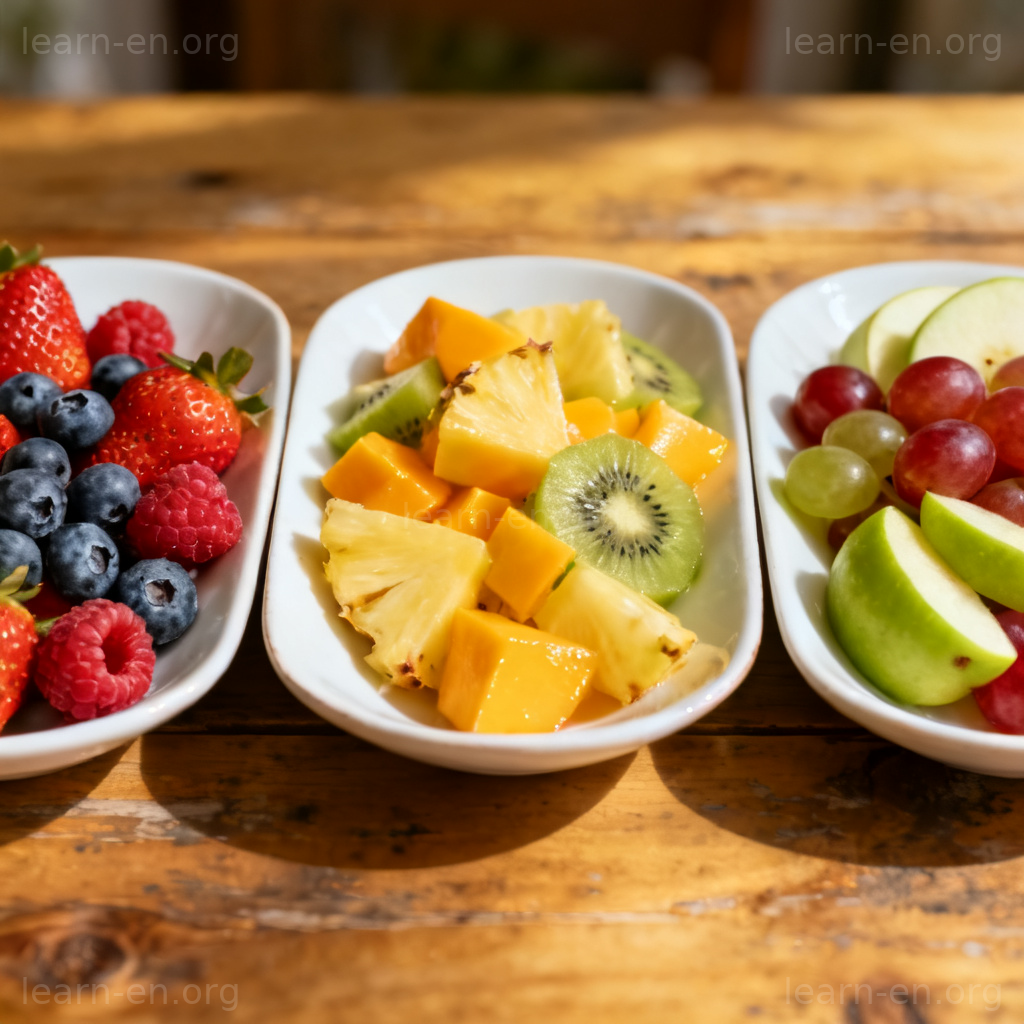
different form or version
➕
different form or version
n.
Refers to a distinct or alternative form, type, or rendition of a basic model, idea, or recipe.
📘 Details & Usage
📖 Example
This salad is a healthy variation of the classic recipe, using yogurt instead of mayonnaise for the dressing.
This salad presents a more nutritious alternative to the traditional version, substituting yogurt for mayonnaise in the dressing.
🔗 Collocations
offer a variation – provide an alternative version
a new variation – a recently created or different form
theme and variation – a musical form with a main melody followed by altered versions
🔄 Synonyms
adaptation (n.) – a modified version suited to new conditions or a different purpose
version (n.) – a particular form of something differing in certain details from other forms
modification (n.) – a change made to something, typically to improve it or suit it for a new purpose
🚫 Antonyms
Wordbook
Your data is saved in this browser