Reading Theme:
Unlike: Meaning, Usage, and Common Mistakes
Meaning 1:different from (unlike)
unlike
/ʌnˈlaɪk/
prep.
not the same as or similar to another person or thing.
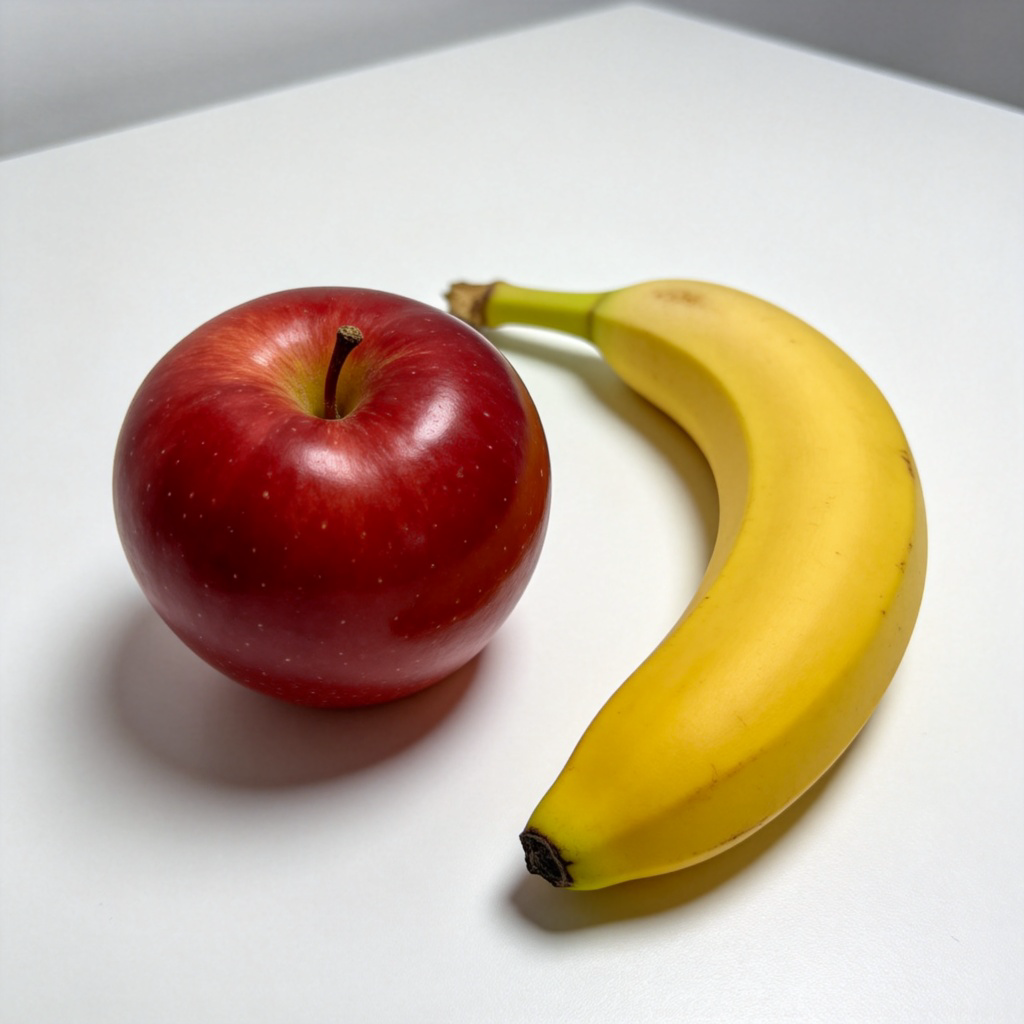
different from
➕
/ˈdɪf.ər.ənt frʌm/
prep.
Used to indicate that two people or things are not the same or not similar.
📘 Details & Usage
📖 Root Explanation
un- (not) + like (similar to)
💡 Mnemonic
UN- means not + LIKE means similar; so UNLIKE = not similar.
📖 Example
Unlike her sister, Sarah enjoys hiking in the mountains.
Unlike her sister, Sarah enjoys hiking in the mountains.
🔗 Collocations
be unlike any other – be completely different from everything else
unlike in nature – having a different essential quality
unlike her usual self – not behaving in the way she normally does
🔄 Synonyms
different from (prep.) – not the same as
contrasting with (prep.) – showing a marked difference compared to
distinct from (prep.) – clearly different and separate from
🚫 Antonyms
like (prep.) – similar to; in the same way as
similar to (prep.) – resembling; having qualities in common with
same as (prep.) – identical to; not different from
🌱 Derivatives
unlikeness (n.) – the quality of being different or dissimilar
unlikely (adj.) – not probable; not likely to happen
📖 Cultural Story
From Old English ungelic, where un- means 'not' and lic means 'body, shape' (source of like). It has been used since the 12th century to express contrast.
Wordbook
Your data is saved in this browser