Reading Theme:
Unbiased: Definition, Usage & Common Mistakes
Meaning 1:fair and objective (unbiased)
unbiased
/ʌnˈbaɪəst/
adj.
Making judgments or decisions without favoring any side, based only on facts and rules.
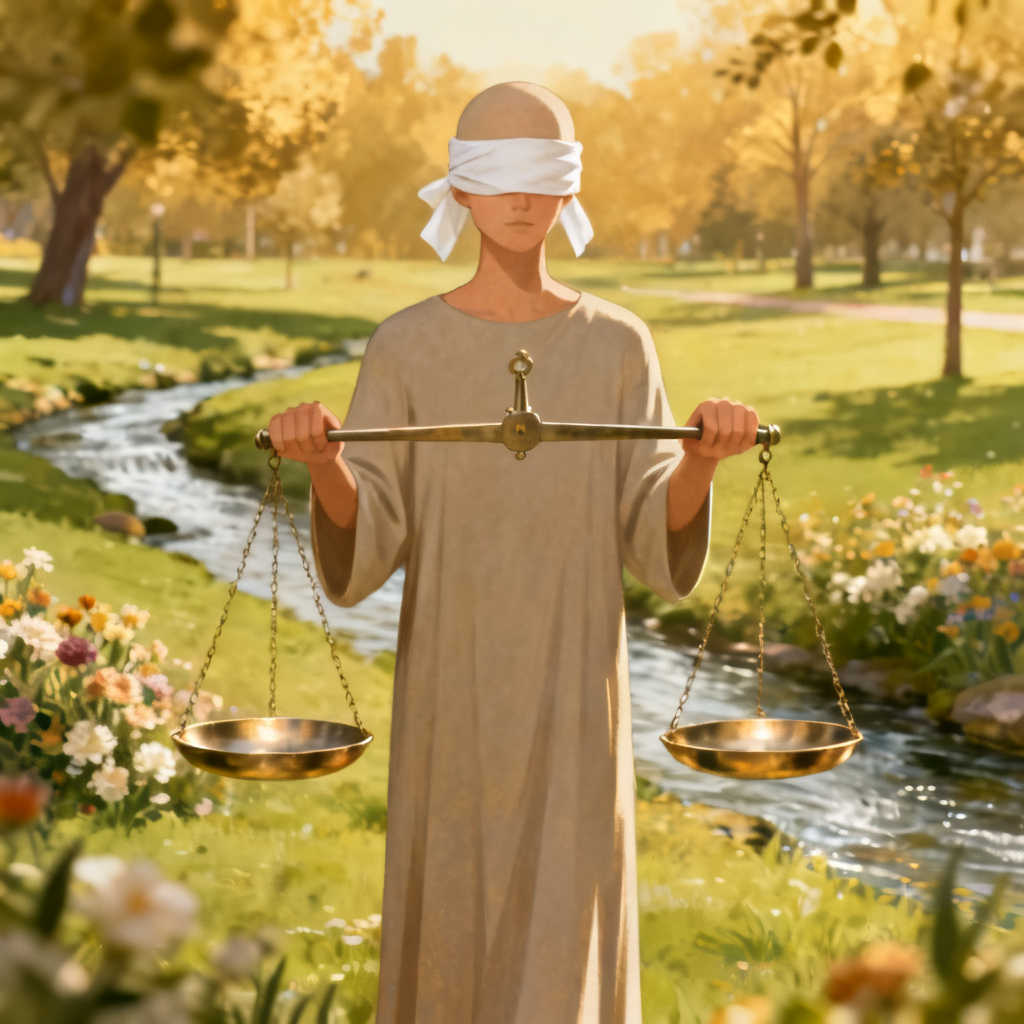
fair and objective
➕
/feər ənd əbˈdʒektɪv/
adj.
Describes a person or decision that is impartial, neutral, and not influenced by personal feelings or prejudices.
📘 Details & Usage
📖 Root Explanation
From prefix ‘un-’ (not) + ‘biased’ (showing prejudice). Literally ‘not biased’.
💡 Mnemonic
Think ‘UN-BIASED’ as removing a bias (like taking off tinted glasses to see clearly).
📖 Example
In the final match, the referee must remain unbiased, no matter which team he personally supports.
In the final match, the referee must remain fair and objective, regardless of his personal support for any team.
🔗 Collocations
unbiased opinion – A judgment formed without prejudice or favoritism.
unbiased reporting – Journalism that presents facts neutrally, without distortion.
unbiased analysis – An examination of data or a situation free from personal bias.
🔄 Synonyms
🚫 Antonyms
biased (adj.) – Unfairly prejudiced for or against someone or something.
prejudiced (adj.) – Having a preconceived opinion that is not based on reason or experience.
partial (adj.) – Favoring one side in a dispute above the other; biased.
🌱 Derivatives
unbiasedly (adv.) – In a fair and impartial manner.
unbiasedness (n.) – The quality or state of being unbiased.
📖 Cultural Story
Emerging in the 17th century, ‘unbiased’ combines ‘un-’ (not) with ‘biased’ (inclined to favor). It reflects Enlightenment ideals of rational judgment, often describing judges, journalists, and scientists who must set aside personal views.
Wordbook
Your data is saved in this browser