Reading Theme:
Traditional: Definition, Usage & Key Differences (2 meaning)
Meaning 1:long-established and customary (traditional)
traditional
/trəˈdɪʃənl/
adj.
Something that has been done or used in the same way for a long time, passed down from older generations.
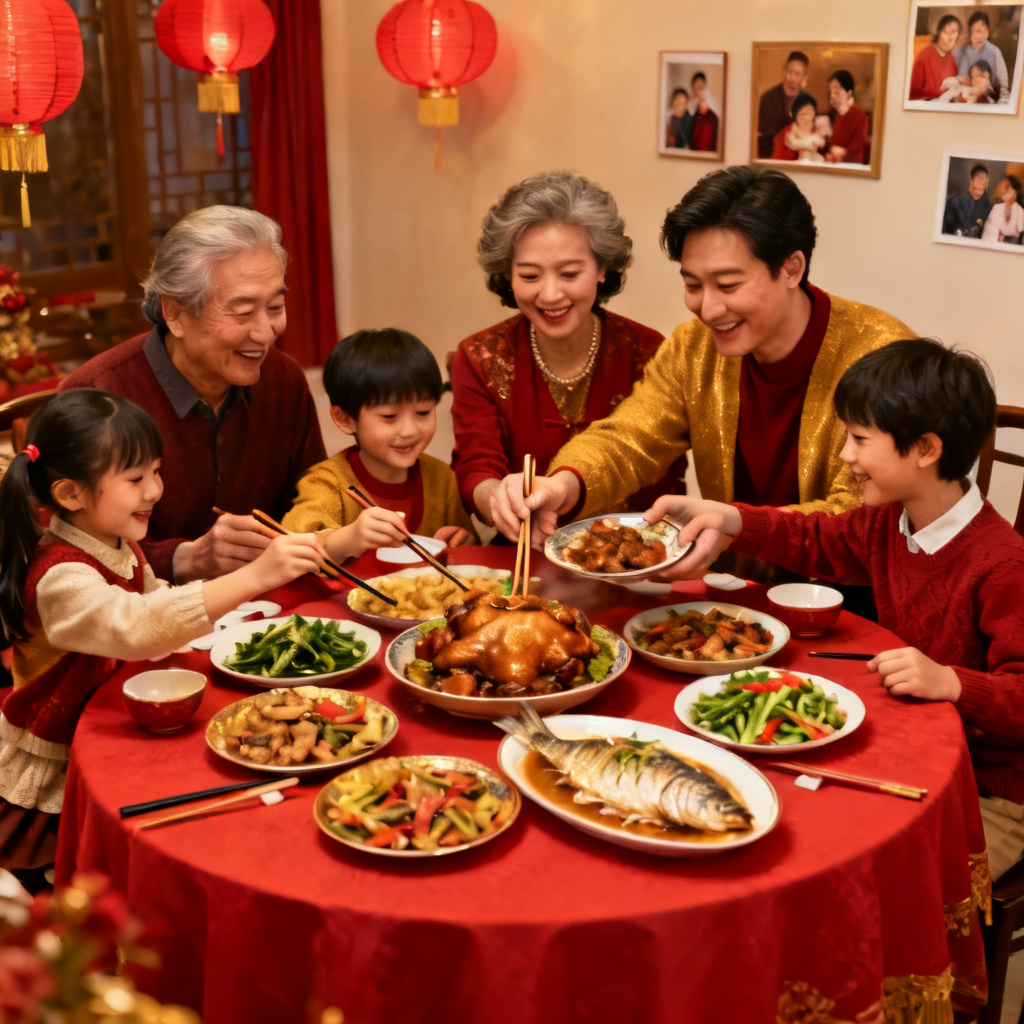
long-established and customary
➕
lông-ĭ-stăb'lisht ănd kŭs'tə-mĕr-ē
adj.
This meaning describes practices, beliefs, or objects that have existed for a long time and are typically passed down from older members of a family, community, or culture.
📘 Details & Usage
📖 Root Explanation
Derived from Latin 'traditio' (meaning 'handing over' or 'delivery'), via Old French 'tradicion'. The suffix '-al' forms adjectives, so the word literally means 'pertaining to what is handed down'.
💡 Mnemonic
Think of 'TRAdition' as a TRAin of ADDITION. Customs are added (like train cars) from one generation to the next, forming a long, connected 'train' of practices.
📖 Example
During the Spring Festival, many families gather to make traditional dumplings together.
During the Spring Festival, many families gather to make traditional dumplings together.
🔗 Collocations
traditional values – long-held beliefs about what is important in life, often related to family, work, and community
traditional ceremony – a formal event performed according to long-established customs
pass down traditions – to teach or give customs and knowledge to younger generations
🔄 Synonyms
conventional (adj.) – Following the usual or widely accepted practices.
customary (adj.) – According to the customs or usual practices of a particular group or place.
🚫 Antonyms
modern (adj.) – Relating to the present or recent times, as opposed to the past.
progressive (adj.) – Favoring or implementing new ideas, methods, or social reform.
🌱 Derivatives
tradition (n.) – A belief, custom, or way of doing something that has existed for a long time.
traditionally (adv.) – In a way that is based on or follows tradition.
📖 Cultural Story
The word 'tradition' originates from the Latin 'traditio', which was used in Roman legal and social contexts to denote the act of handing over knowledge, rights, or property. In English, its meaning broadened to encompass the passing down of customs, beliefs, and practices from one generation to the next, forming the core of cultural identity. It is a high-frequency term in discussions about festivals, family rituals, and preserving historical art forms.
Meaning 2:adhering to old ways (traditional)
traditional
/trəˈdɪʃənl/
adj.
Describing someone or a style that is not modern, preferring old ways and reluctant to change.

adhering to old ways
➕
ăd-hēr'ĭng tō ōld wāz
adj.
This meaning describes a person, attitude, or style that favors long-established methods and is often resistant to new or modern ideas.
📘 Details & Usage
📖 Example
My parents have very traditional tastes in music; they prefer classical over pop songs.
My parents have very traditional tastes in music; they prefer classical over pop songs.
🔗 Collocations
traditional views – opinions that are based on old-fashioned ideas, especially about social roles
traditional upbringing – a way of raising children that emphasizes obedience, manners, and conventional values
🔄 Synonyms
conservative (adj.) – Averse to change or innovation and holding traditional values.
old-fashioned (adj.) – Characteristic of a past era; no longer modern or common.
Wordbook
Your data is saved in this browser