Reading Theme:
Tender: Definition, Usage & Key Differences (2 meaning)
Meaning 1:gentle and caring (tender)
tender
/ˈtendə(r)/
adj.
Describes someone who is gentle, kind, and shows a lot of care and affection.

gentle and caring
➕
/ˈdʒentl ənd ˈkeərɪŋ/
adj.
This meaning describes a quality of being gentle, kind, and showing deep affection or concern for others. It often refers to actions, words, or feelings that are soft and considerate.
📘 Details & Usage
📖 Root Explanation
The root comes from Latin 'tener' meaning 'soft, delicate, young'. The core idea relates to something that is physically or emotionally soft, delicate, and easily affected or influenced.
💡 Mnemonic
Think of a gardener who must **tend her** plants with a gentle, caring hand. The phrase 'tend her' sounds like 'tender', reminding you of the gentle care required.
📖 Example
The mother spoke to her crying child in a tender voice, promising everything would be alright.
The mother spoke to her crying child in a gentle and caring voice, promising everything would be alright.
🔗 Collocations
tender heart – a kind and compassionate nature
tender moment – a gentle and affectionate shared experience
tender care – gentle and attentive treatment
🔄 Synonyms
gentle (adj.) – Mild and careful in action or manner.
affectionate (adj.) – Readily showing fondness or tenderness.
compassionate (adj.) – Feeling or showing sympathy and concern for others.
🚫 Antonyms
🌱 Derivatives
tenderly (adv.) – In a gentle, caring, or affectionate manner.
tenderness (n.) – The quality of being gentle, kind, and affectionate.
📖 Cultural Story
The word 'tender' has a clear etymological journey. It entered English from the Old French 'tendre', which itself came from the Latin 'tener' meaning 'soft, delicate, young'. This Latin root is also related to words for 'to hold' or 'stretch', suggesting a state of being pliable or easily shaped. The word's dual meaning—both emotional softness (a tender heart) and physical softness (tender meat)—developed from this core sense of vulnerability and delicacy. Interestingly, its financial and legal sense (to tender an offer) comes from a different Latin root, 'tendere', meaning 'to stretch' or 'offer'.
Meaning 2:soft and easy to chew (tender)
tender
/ˈtendə(r)/
adj.
Describes food, especially meat, that is soft and easy to cut or chew.
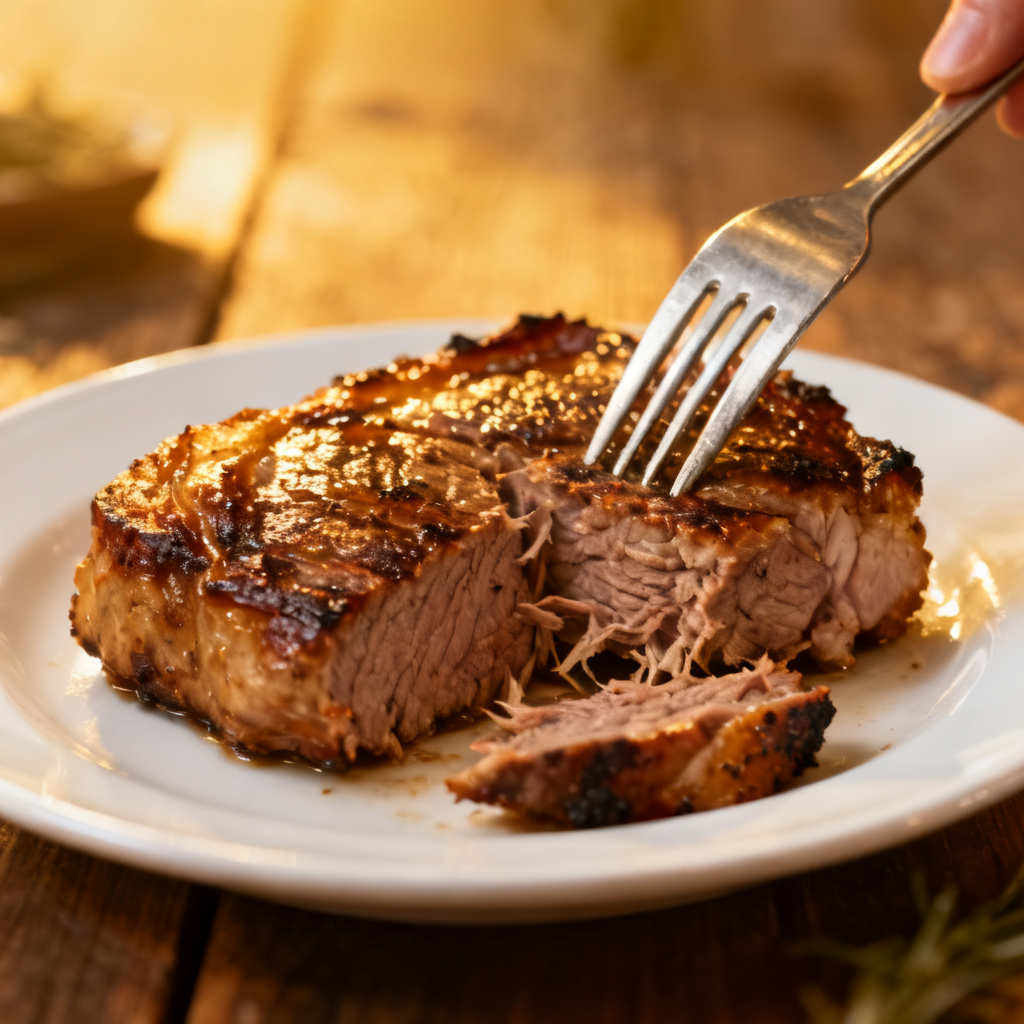
soft and easy to chew
➕
/sɒft ənd ˈiːzi tə tʃuː/
adj.
This meaning describes the physical texture of food, especially meat, that is not tough. It is soft enough to be cut or chewed easily, often as a result of proper cooking.
📘 Details & Usage
📖 Example
After slow cooking for six hours, the beef became incredibly tender and fell apart with just a fork.
After slow cooking for six hours, the beef became incredibly soft and easy to chew and fell apart with just a fork.
🔗 Collocations
tender meat – meat that is soft and not tough
tender texture – a soft and pleasing consistency in food
cook until tender – to cook food until it becomes soft
🔄 Synonyms
🚫 Antonyms
🌱 Derivatives
tenderize (v.) – To make meat tender by beating, marinating, or cooking.
Wordbook
Your data is saved in this browser