Reading Theme:
Tariff Definition, Examples & Usage Guide
Meaning 1:import tax (tariff)
tariff
/ˈtærɪf/
n.
A tax that a government charges on goods when they are imported or exported, often to control trade or make money.
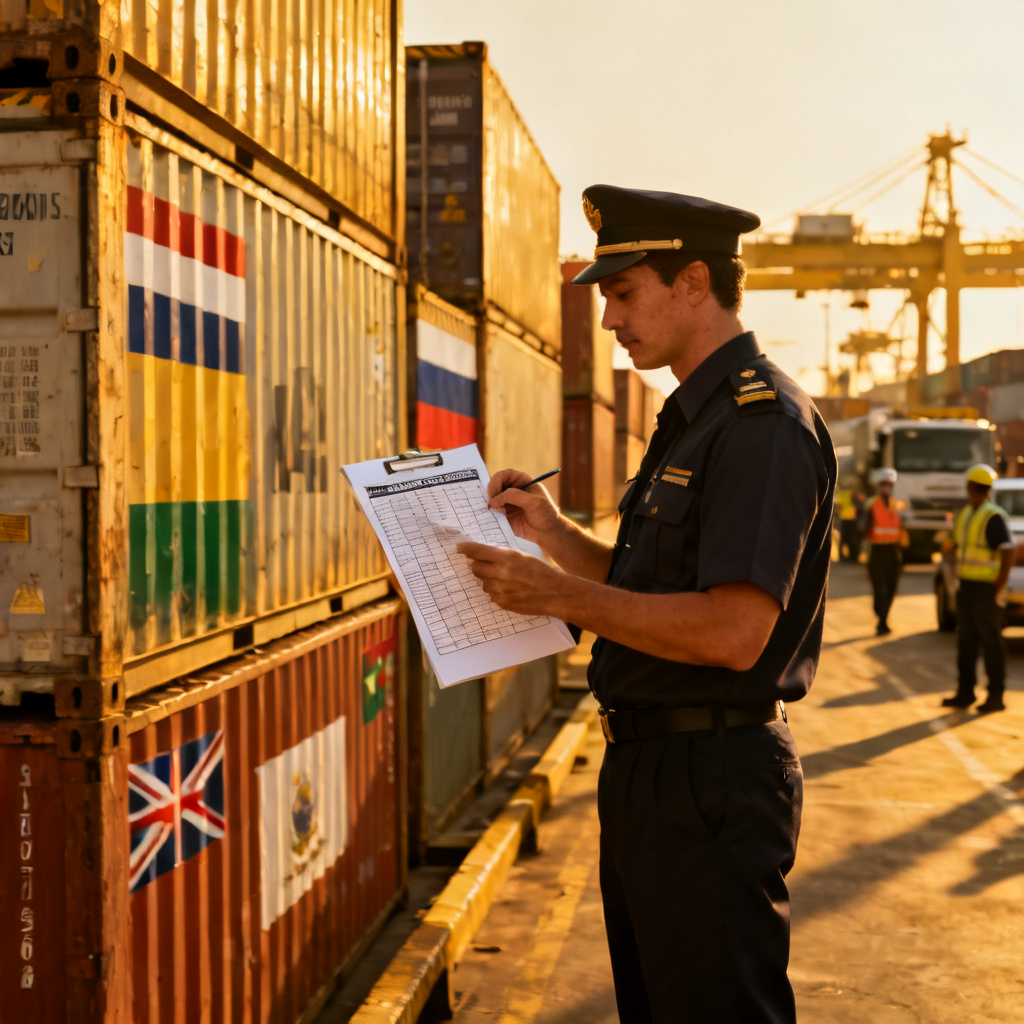
import tax
➕
/ˈɪmpɔːrt tæks/
n.
A tariff is a tax imposed by a government on goods imported into or exported from a country, typically used to regulate trade and generate revenue.
📘 Details & Usage
📖 Root Explanation
From Arabic 'ta‘rīf' (notification/list of prices), via Italian tariffa.
💡 Mnemonic
Think of 'tar' (sticky substance) on goods; you must pay a tariff to release them.
📖 Example
To support local manufacturers, the country raised the tariff on imported electronics.
The country increased the tariff on imported electronics to support local manufacturers.
🔗 Collocations
impose a tariff on – to officially put a tariff on goods
reduce tariffs – to lower the rates of tariffs
high tariff barriers – restrictive tariffs that limit trade
🔄 Synonyms
duty (n.) – A tax on imports or exports, similar to a tariff.
levy (n.) – A tax or fee imposed by a government, often on trade.
customs duty (n.) – A tax on goods transported across borders, synonymous with tariff.
🚫 Antonyms
free trade (n.) – Trade without tariffs or restrictions.
subsidy (n.) – Financial support given to producers, opposite of a tax on goods.
🌱 Derivatives
tariffed (adj.) – Subject to a tariff.
tariffing (n.) – The act of imposing tariffs.
tariff-free (adj.) – Exempt from tariffs.
📖 Cultural Story
Tariff entered English via Italian, derived from Arabic 'ta‘rīf' meaning notification or list of fees. Used in medieval Mediterranean ports for customs duties.
Wordbook
Your data is saved in this browser