Reading Theme:
Suburb: Definition, Usage & Key Differences
Meaning 1:residential area (suburb)
suburb
/ˈsʌbɜːrb/
n.
A quieter area just outside a big city center, where many people have houses and gardens, and they often commute to work in the city.
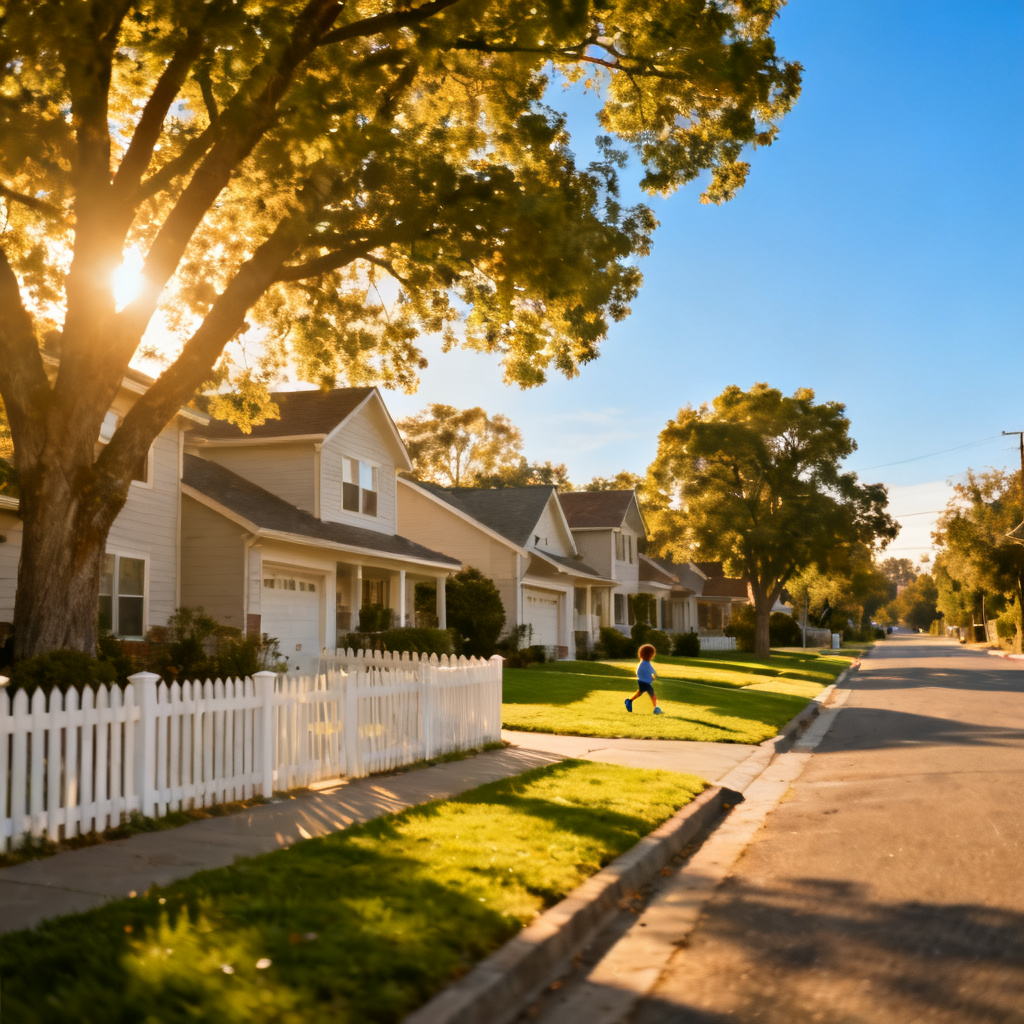
residential area
➕
/ˌrezɪˈdenʃl ˈeriə/
n.
A residential district located on the outskirts of a city, typically characterized by houses with yards and a quieter environment compared to the city center.
📘 Details & Usage
📖 Root Explanation
From Latin 'sub-' (under, near) + 'urbs' (city). Literally, 'near the city'.
💡 Mnemonic
Think 'sub' (under/less than) + 'urban' (city). It's *almost* a city, but quieter.
📖 Example
Li chose to live in the suburb because it was quieter and had a garden for his children to play in.
He decided to move to a residential area on the outskirts for the peace and outdoor space it offered his family.
🔗 Collocations
suburb of [City Name] – a residential area belonging to or near a specific city
quiet suburb – a peaceful and tranquil residential district
live in the suburb – to reside in an outlying residential area of a city
🔄 Synonyms
outskirts (n.) – The outer parts of a city or town.
commuter belt (n.) – A region surrounding a city from which many people travel to work in the city.
residential district (n.) – An area of a city or town primarily containing homes rather than businesses or industries.
🚫 Antonyms
city center (n.) – The central part of a city, especially its main commercial and business area.
inner city (n.) – The area near the center of a city, often associated with high population density and older housing.
downtown (n.) – The main business and commercial area of a city.
🌱 Derivatives
📖 Cultural Story
The word 'suburb' originates from the Latin 'suburbium', combining 'sub-' (near) and 'urbs' (city). Historically, it referred to the areas immediately outside ancient Rome's city walls. The post-World War II era saw a massive expansion of suburbs in English-speaking countries, particularly the United States, driven by increased car ownership and the desire for more space, shaping the modern residential landscape.
Wordbook
Your data is saved in this browser