Reading Theme:
Scare: Definition, Usage & Common Mistakes (2 meaning)
Meaning 1:fright (scare)
scare
/skeər/
n.
A sudden feeling of fear, like when something surprises you.
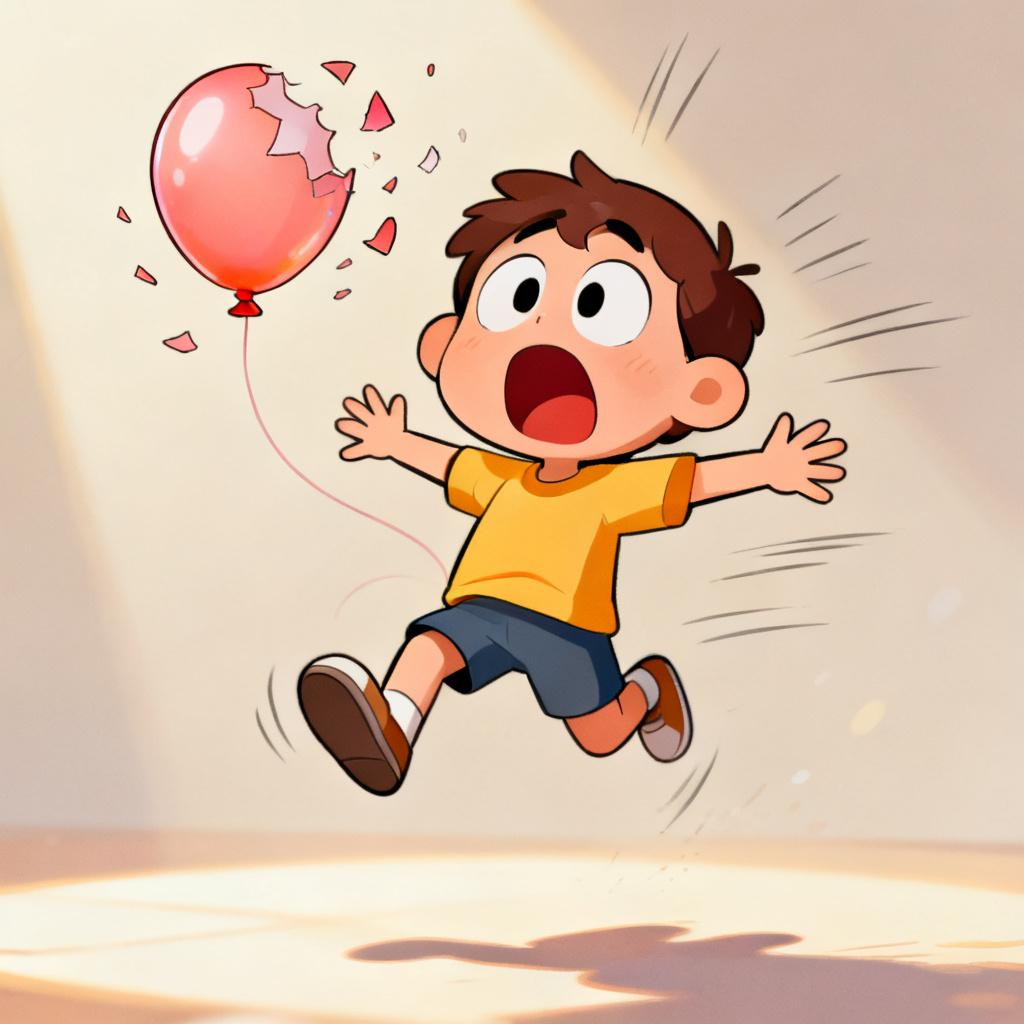
fright
➕
/fraɪt/
n.
A sudden feeling of fear or alarm caused by an unexpected event.
📘 Details & Usage
📖 Root Explanation
From Old Norse 'skirra' meaning 'to frighten'.
💡 Mnemonic
Sounds like 'scare' is 'scarring' emotionally.
📖 Example
The loud noise from the back of the cinema gave me a real scare.
The sudden loud sound from the back of the movie theater truly frightened me.
🔗 Collocations
give someone a scare – to frighten or startle someone
a real scare – a genuine or significant fright
scare tactics – methods intended to frighten people into doing something
🔄 Synonyms
🚫 Antonyms
calm (n.) – A state of peace and freedom from agitation.
comfort (n.) – A state of physical ease and freedom from pain or worry.
reassurance (n.) – The action of removing someone's doubts or fears.
📖 Cultural Story
Originating from the Old Norse 'skirra' (to frighten), the word entered Middle English. It retains the core sense of sudden fear. A cultural high-frequency use is in horror entertainment, where a 'good scare' is an expected and desired effect.
Meaning 2:thrill (scare)
scare
/skeər/
n.
A thing that causes a sudden fright, like a story or event.
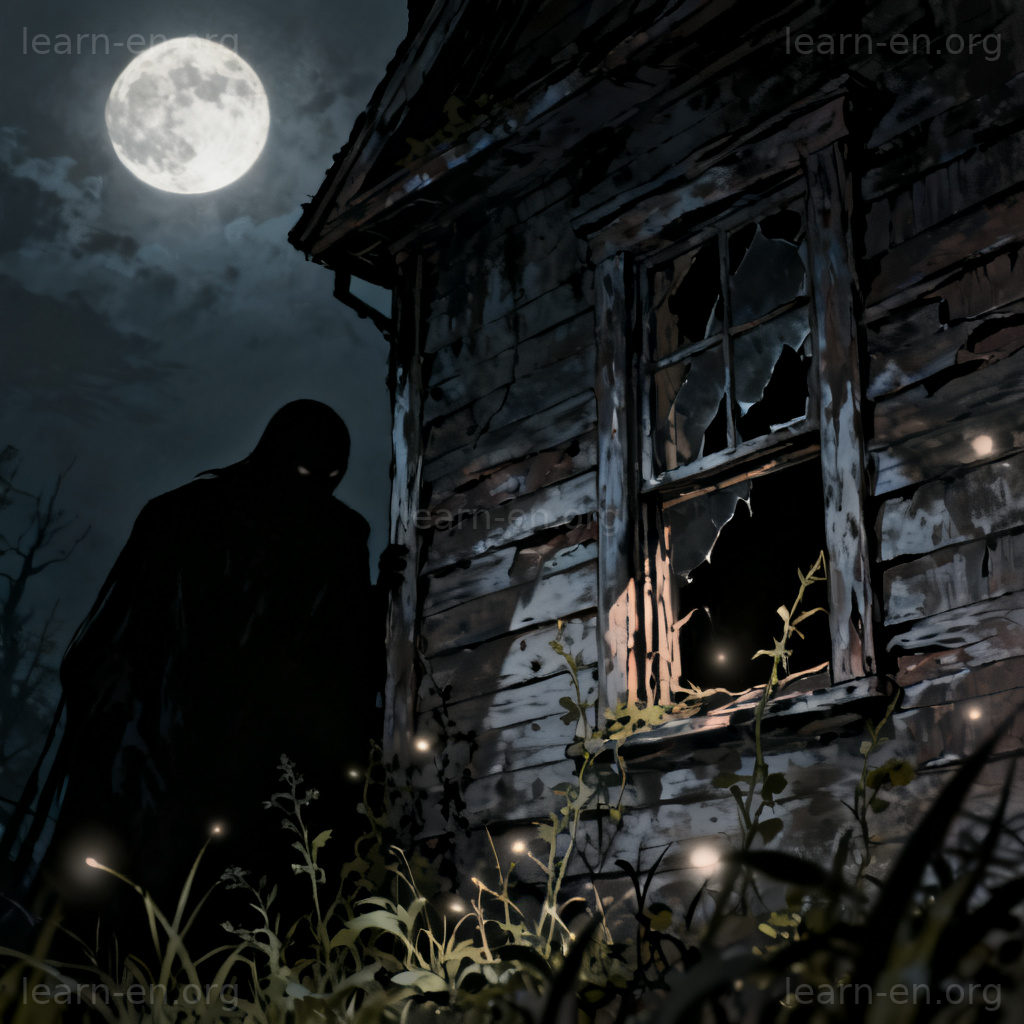
thrill
➕
/θrɪl/
n.
An event, story, or experience deliberately designed to cause a frightening reaction, often for entertainment.
📘 Details & Usage
📖 Example
That ghost story he told around the campfire was a good scare.
The ghost story he narrated around the campfire provided a thrilling fright.
🔗 Collocations
a good scare – an enjoyable or well-executed frightening experience
Halloween scare – a frightening attraction or event during Halloween
scare story – a sensational report intended to cause public fear or anxiety
🔄 Synonyms
🚫 Antonyms
Wordbook
Your data is saved in this browser