Reading Theme:
Quite: Meaning, Usage, and Common Mistakes (2 meaning)
Meaning 1:fairly, to some extent (quite)
quite
/kwaɪt/
adv.
To a noticeable degree, but not the highest. Often means 'good but not perfect'.
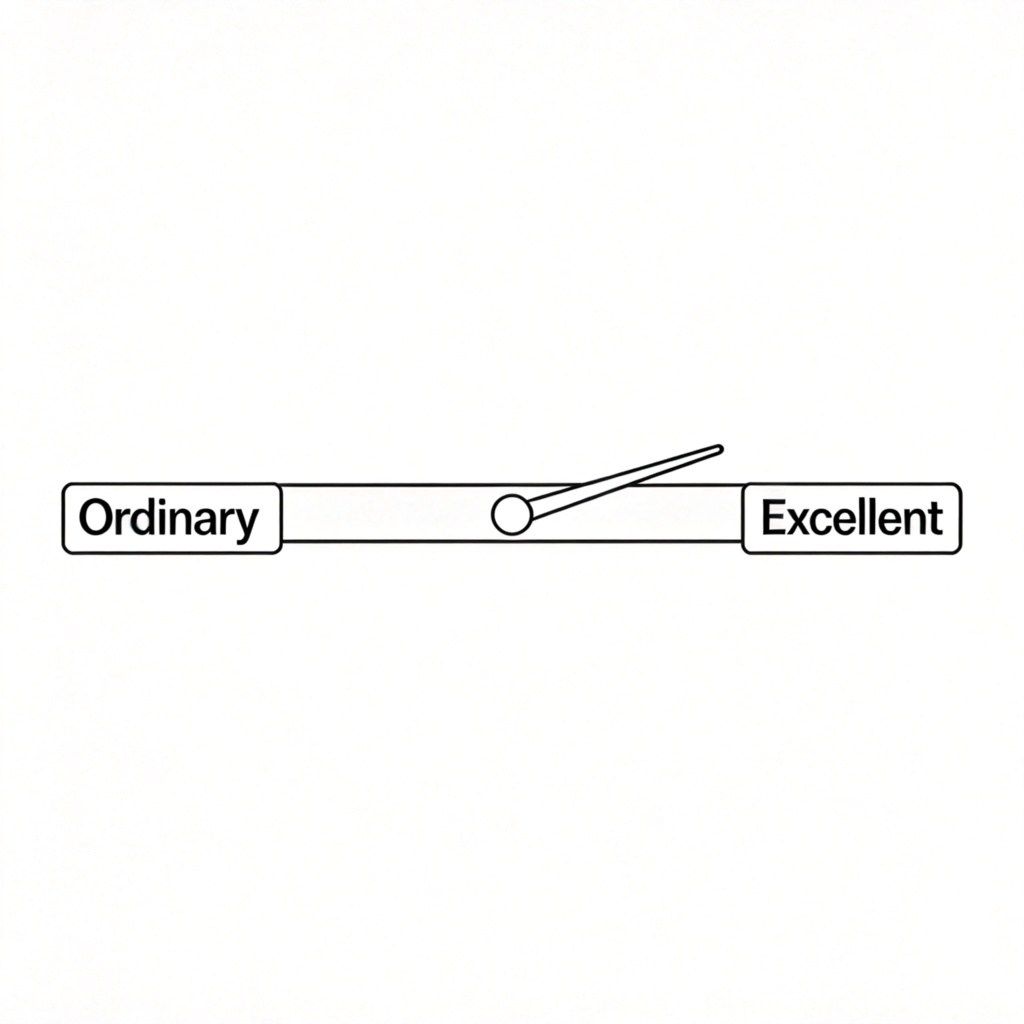
fairly, to some extent
➕
/ˈfeəli/
adv.
Quite is used before adjectives and adverbs to mean 'to a moderate or noticeable degree', less strong than 'very' but more than 'a little'.
📘 Details & Usage
📖 Root Explanation
Derived from Latin 'quietus' (calm), via Old French 'quite' (free, clear).
💡 Mnemonic
Think of 'quite' as 'quite' a bit - it's more than a little, less than very.
📖 Example
After three months of practice, her English is quite good, and she can chat with foreign friends easily.
After three months of practice, her English is quite good, and she can chat with foreign friends easily.
🔗 Collocations
quite good – fairly good, moderately good
quite a few – a considerable number
quite often – frequently
🔄 Synonyms
🚫 Antonyms
📖 Cultural Story
In British English, 'quite' is famously nuanced: 'quite good' can mean 'good but not great' or 'very good' depending on tone. This ambiguity reflects British understatement.
Meaning 2:completely, absolutely (quite)
quite
/kwaɪt/
adv.
Completely, totally. Used to emphasize that something is 100% true or correct.

completely, absolutely
➕
/kəmˈpliːtli/
adv.
Quite is used to emphasize that something is 100% true or correct; it means 'totally' or 'absolutely'.
📘 Details & Usage
📖 Example
You're quite right; watching the sunset from this hill is completely worth the long climb.
You're quite right; watching the sunset from this hill is completely worth the long climb.
🔗 Collocations
quite right – completely correct
quite sure – totally certain
quite possible – entirely possible
🔄 Synonyms
completely (adv.) – totally, entirely
totally (adv.) – completely, utterly
absolutely (adv.) – without any doubt
Wordbook
Your data is saved in this browser