Reading Theme:
Preserve: Definition, Usage & Common Mistakes (3 meaning)
Meaning 1:to keep safe (preserve)
preserve
/pɹɪˈzɝv/
vt.
To keep something, especially the environment or history, safe from harm or change.
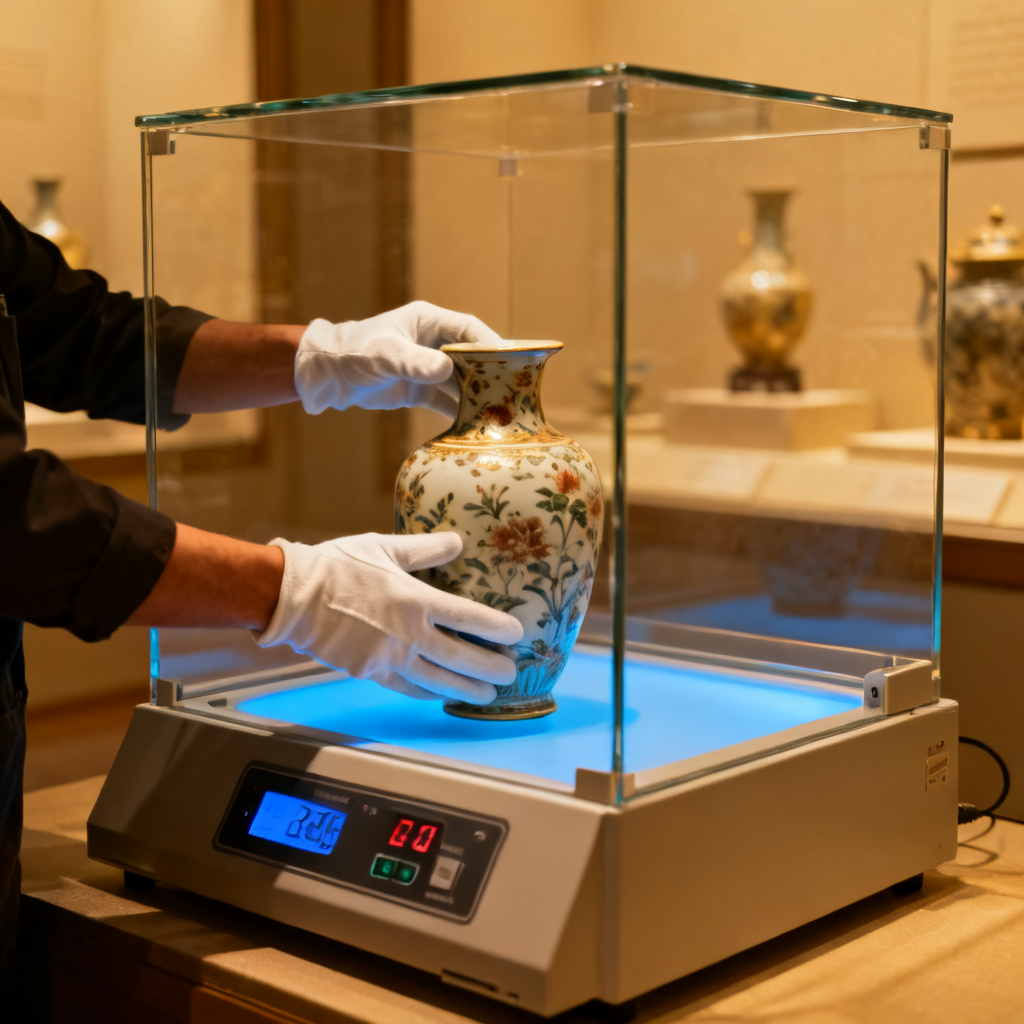
to keep safe
➕
/tu kiːp seɪf/
vt.
To actively maintain the existence, condition, or quality of something, particularly valuable things like nature, historical sites, or artifacts, preventing them from being damaged, destroyed, or altered.
📘 Details & Usage
📖 Root Explanation
From Latin 'praeservare' ('prae-' meaning 'before, in advance' + 'servare' meaning 'to keep, guard, protect').
💡 Mnemonic
Think 'pre-SERVE'. You SERVE something (like a forest or a tradition) by acting PREmptively to keep it safe for the future.
📖 Example
The national park was established to preserve the unique ecosystem and wildlife for future generations.
A protected area was created with the specific purpose of safeguarding that region's distinctive plants, animals, and natural systems for people who will live after us.
🔗 Collocations
preserve nature – to protect the natural environment from harm
preserve for posterity – to keep something safe for future generations
🔄 Synonyms
🚫 Antonyms
destroy (vt.) – To damage something so severely that it no longer exists or functions.
🌱 Derivatives
preservation (n.) – The act or process of keeping something in its original state or in good condition.
preservative (n.) – A substance used to prevent food or other organic material from decaying.
📖 Cultural Story
The word 'preserve' entered English in the late 14th century via Old French from Latin. Its core Latin root 'servare' (to keep) is shared with many English words like 'conserve', 'reserve', and 'observe'. In modern culture, 'preserve' is a key term in environmental science (e.g., nature preserves) and heritage management, reflecting a societal value placed on safeguarding resources and traditions from loss or degradation.
Meaning 2:to make last (preserve)
preserve
/pɹɪˈzɝv/
vt.
To prepare food in a special way, like with sugar or salt, so it can be kept for a long time without going bad.
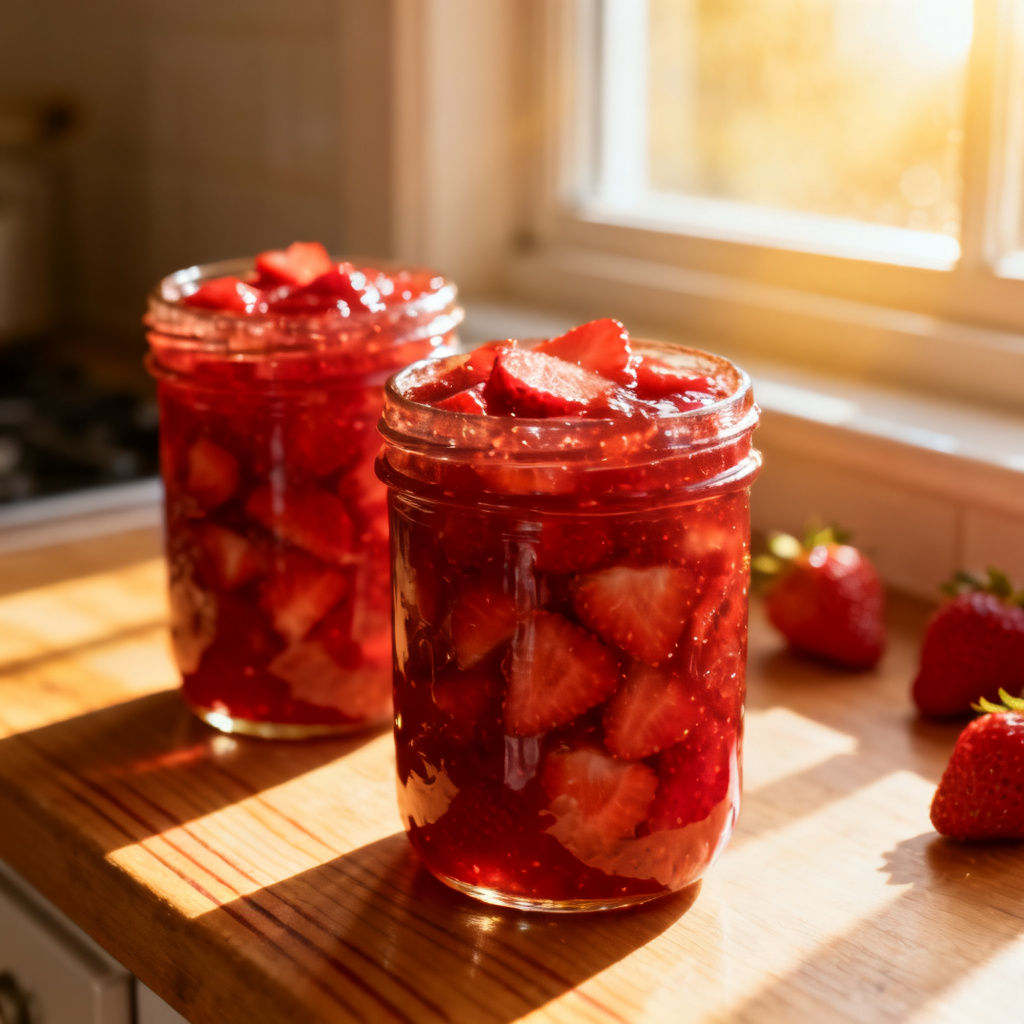
to make last
➕
/tu meɪk læst/
vt.
To treat or prepare food (like fruits, vegetables, or meat) using methods such as canning, pickling, drying, or adding sugar/salt, in order to prevent spoilage and allow it to be stored and eaten much later.
📘 Details & Usage
📖 Example
My grandmother uses a lot of sugar to preserve the strawberries from her garden, turning them into delicious jam.
She applies a high concentration of sugar to the freshly picked berries, a method that prevents microbial growth and allows the sweet fruit spread to be stored for months.
🔗 Collocations
preserve food – to process food to extend its shelf life
well-preserved – describing food or artifacts kept in very good condition over time
🔄 Synonyms
🌱 Derivatives
preservative (n.) – A substance added to food to inhibit the growth of bacteria, fungi, or other microorganisms.
Meaning 3:to maintain (preserve)
preserve
/pɹɪˈzɝv/
vt.
To keep a tradition, memory, or a particular state from fading away or changing.

to maintain
➕
/tu meɪnˈteɪn/
vt.
To keep a practice, custom, memory, relationship, or condition alive, intact, or unchanged over time, preventing it from being forgotten, abandoned, or altered.
📘 Details & Usage
📖 Example
Despite living abroad, she tries hard to preserve her family's tradition of celebrating the Lunar New Year.
Even while residing in a foreign country, she makes a consistent effort to continue observing her family's customary practices associated with the Lunar New Year holiday.
🔗 Collocations
preserve traditions – to keep cultural or family customs alive across generations
preserve the status quo – to maintain the existing state of affairs
🔄 Synonyms
🚫 Antonyms
abandon (vt.) – To give up completely; to cease to support or look after.
Wordbook
Your data is saved in this browser