Reading Theme:
Petroleum Definition, Uses, and Examples
Meaning 1:crude oil (petroleum)
petroleum
/pəˈtroʊliəm/
n.
A natural dark liquid found underground, used to make fuels (like gasoline) and many chemical products.
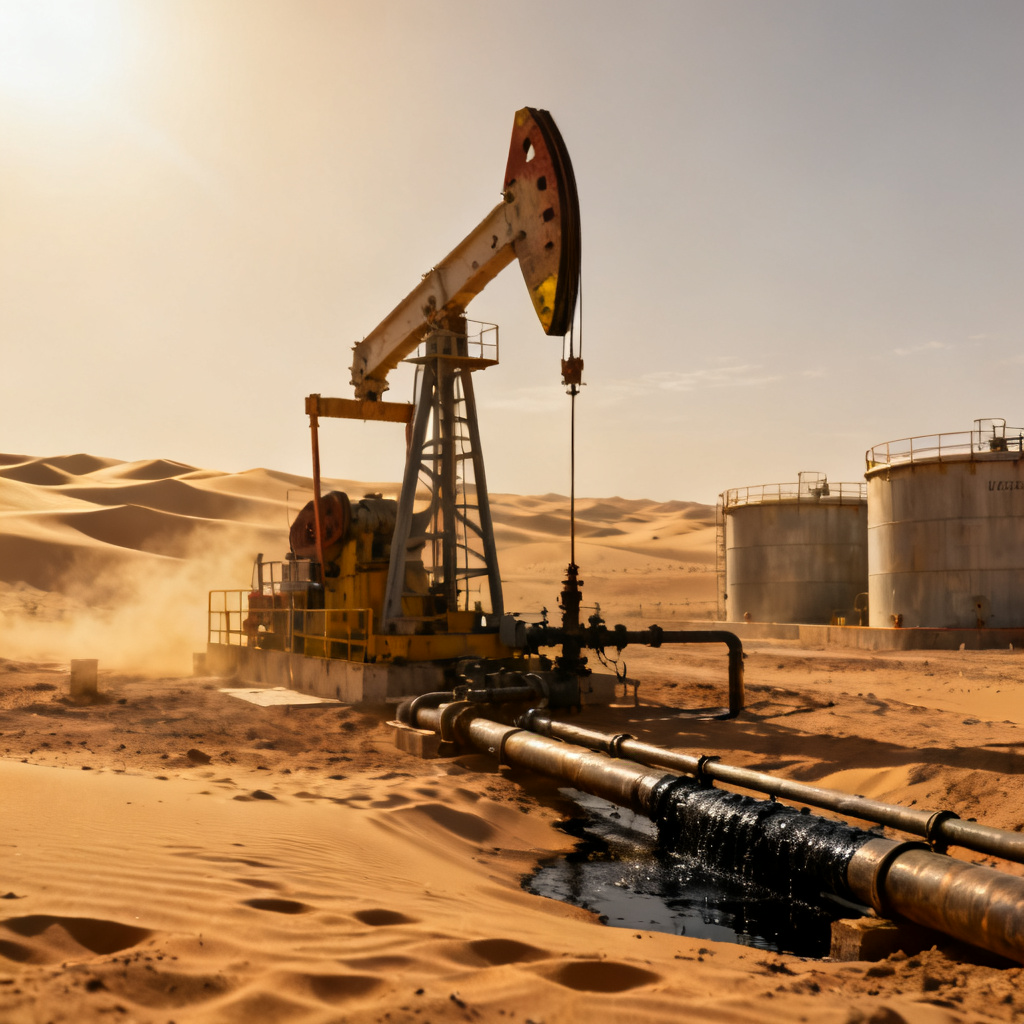
crude oil
➕
/kruːd ɔɪl/
n.
A thick, dark liquid found underground, formed from ancient organic matter under heat and pressure, refined into gasoline, diesel, and other products.
📘 Details & Usage
📖 Root Explanation
From Latin petra (rock) + oleum (oil), literally meaning rock oil.
💡 Mnemonic
Think of 'pet' (rock) + 'oleum' (oil) → oil squeezed from ancient rocks.
📖 Example
The country's economy grew rapidly because of its rich petroleum exports.
The nation's economy expanded quickly due to its abundant petroleum exports.
🔗 Collocations
crude petroleum – Unrefined petroleum as it comes from the ground
petroleum industry – The business sector involved in extracting, refining, and selling petroleum
petroleum reserves – Estimated quantities of petroleum that can be recovered commercially
🔄 Synonyms
oil (n.) – A general term for petroleum or similar viscous liquids
crude (n.) – Short for crude oil, unrefined petroleum
fossil fuel (n.) – A hydrocarbon fuel formed from ancient organic remains, including petroleum
🚫 Antonyms
renewable energy (n.) – Energy from sources that are naturally replenished, such as solar or wind power, as opposed to finite fossil fuels
🌱 Derivatives
petrochemical (adj.) – Relating to chemicals derived from petroleum
petrol (n.) – British term for gasoline, a refined product of petroleum
petroleum-based (adj.) – Made from or derived from petroleum
📖 Cultural Story
Coined in the 16th century from Late Latin petroleum, combining petra (rock) and oleum (oil). It referred to naturally occurring oil seeping from rocks, later becoming the primary source of fuels and chemicals.
Wordbook
Your data is saved in this browser