Reading Theme:
Pale Meaning, Examples & Common Uses (2 meaning)
Meaning 1:light in color (pale)
pale
/peɪl/
adj.
Describes a color that is not strong or bright; very light, like a color with a lot of white mixed in.
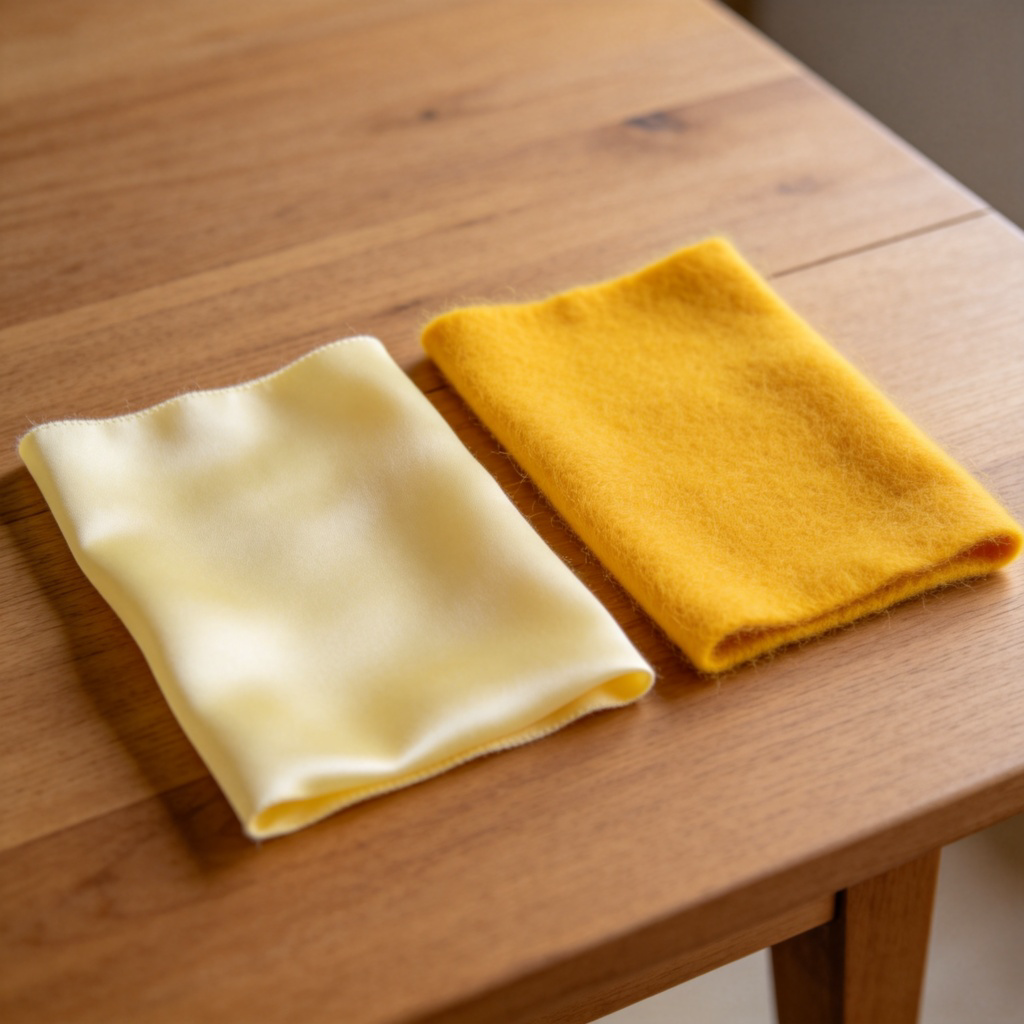
light in color
➕
/laɪt ɪn ˈkʌlər/
adj.
Describes a color that is not strong or bright; it has a high amount of white mixed in, giving it a soft, delicate appearance.
📘 Details & Usage
📖 Root Explanation
From Latin 'pallidus' meaning pale, related to 'pallere' (to be pale).
💡 Mnemonic
Think of 'pale' as 'paint lacking color' – imagine a painter adding white to make colors pale.
📖 Example
She decided to paint her bedroom a pale blue to make it feel more calm and spacious.
She decided to paint her bedroom a pale blue to make it feel more calm and spacious.
🔗 Collocations
pale yellow – A very light, soft shade of yellow.
pale skin – Skin that is light in color, often lacking tan.
pale shade – A light tint of any color.
🔄 Synonyms
light (adj.) – Having a relatively high amount of white; not dark.
faded (adj.) – Having lost its original brightness or color intensity.
washed-out (adj.) – Having a very pale, weak color, as if faded by washing.
🚫 Antonyms
🌱 Derivatives
📖 Cultural Story
Derived from Latin 'pallidus', 'pale' appears in English since Old English. The idiom 'pale as a ghost' dates back to the 16th century, reflecting its association with fear or illness.
Meaning 2:losing normal skin color (pale)
pale
/peɪl/
adj.
Describes a person's face or skin having less color than usual, often because of fear, illness, shock, or tiredness.
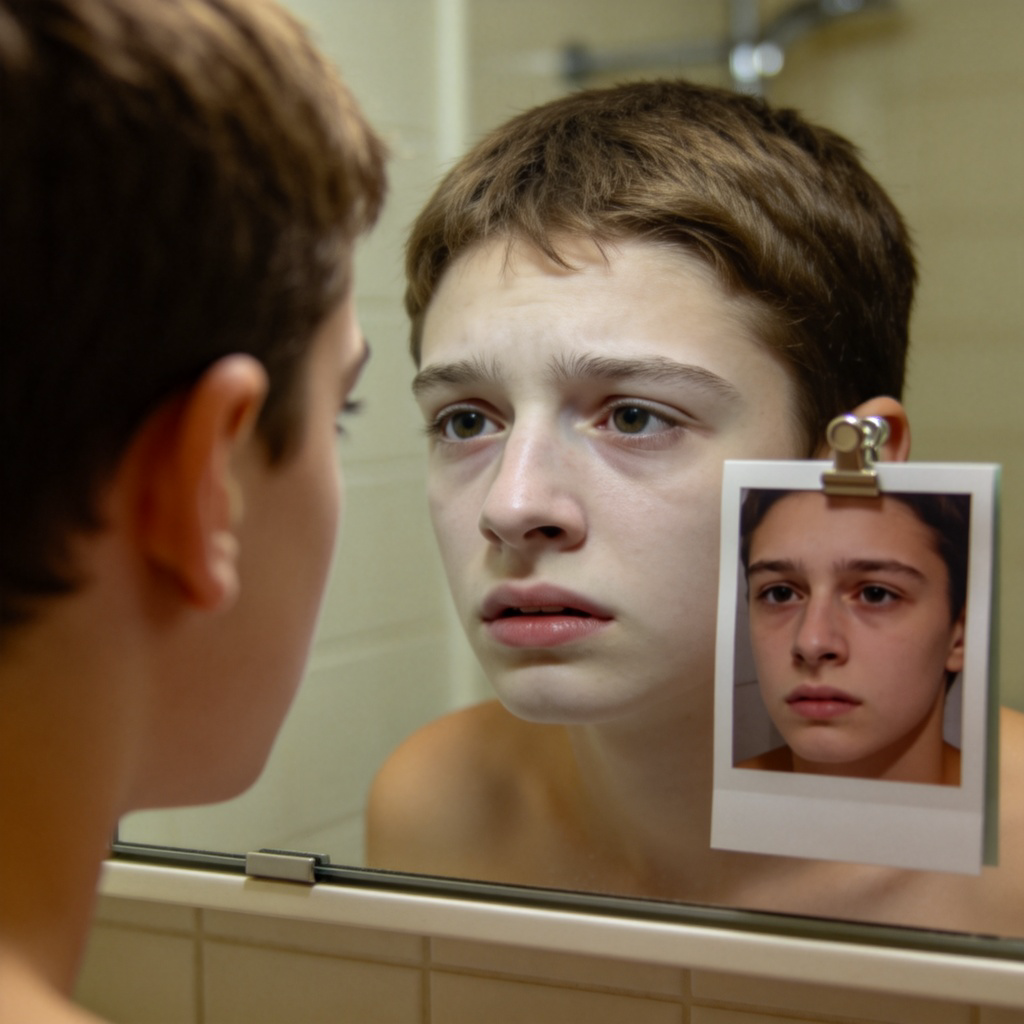
losing normal skin color
➕
/ˈluːzɪŋ ˈnɔːrməl skɪn ˈkʌlər/
adj.
Describes a person's face or skin having less color than usual, often due to fear, illness, shock, or tiredness, indicating a temporary or permanent change in health or emotion.
📘 Details & Usage
📖 Example
When he saw the final exam results, his face turned pale with surprise.
When he saw the final exam results, his face turned pale with surprise.
🔗 Collocations
turn pale – To suddenly become pale in the face, usually due to fear or shock.
go pale – To become very pale, as if all blood has left the face.
pale with fear – Having a pale face caused by intense fear.
🔄 Synonyms
🚫 Antonyms
Wordbook
Your data is saved in this browser