Reading Theme:
Pace Definition: Speed, Rate & Usage Examples (2 meaning)
Meaning 1:speed of movement (pace)
pace
/peɪs/
n.
How fast you walk, run, or do something.
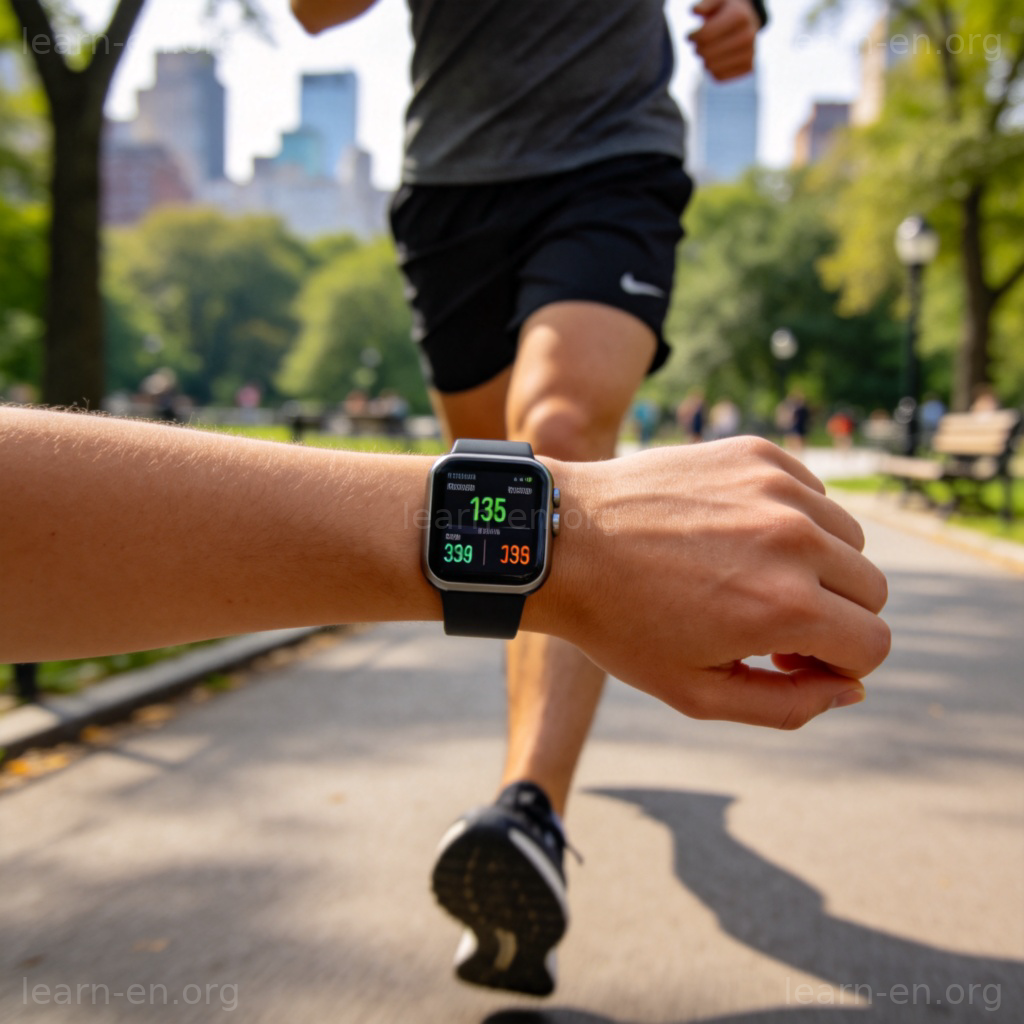
speed of movement
➕
/spiːd əv ˈmuːvmənt/
n.
The speed at which someone walks, runs, or moves; the rate of motion.
📘 Details & Usage
📖 Root Explanation
From Latin 'passus' (a step), via Old French 'pas'. Related to 'pass' and 'step'.
💡 Mnemonic
Think of 'pace' as the 'pass' you make with your feet - each step sets the pace.
📖 Example
The jogger slowed her pace to enjoy the morning scenery in the park.
The runner reduced her speed to appreciate the view.
🔗 Collocations
at a steady pace – at a consistent and unchanging speed
set the pace – establish the speed for others to follow
keep pace with – move or progress at the same speed as someone or something
🔄 Synonyms
🚫 Antonyms
slowness (n.) – lack of speed
🌱 Derivatives
📖 Cultural Story
The word 'pace' has been used since the 13th century to mean a step or stride. In modern English, it is commonly used in business contexts, such as 'the pace of innovation', reflecting speed of progress.
Meaning 2:rate of activity (pace)
pace
/peɪs/
n.
The general speed of activity in your life or work, like how busy or relaxed things feel.

rate of activity
➕
/reɪt əv ækˈtɪvəti/
n.
The speed at which activities or tasks are done, especially in work or daily life.
📘 Details & Usage
📖 Example
The pace of work in the office becomes very fast when a project deadline is approaching.
The office work speed increases significantly when a project deadline is near.
🔗 Collocations
fast pace – a high speed of activity
slow pace – a low speed of activity
pace of life – the general speed at which daily activities are conducted
🔄 Synonyms
🚫 Antonyms
Wordbook
Your data is saved in this browser