Reading Theme:
Modernism Definition, Usage & Key Characteristics
Meaning 1:20th-century artistic movement (modernism)
modernism
/ˈmɒdənɪzəm/
n.
An art movement from the early 20th century that broke old rules to create new, abstract styles.
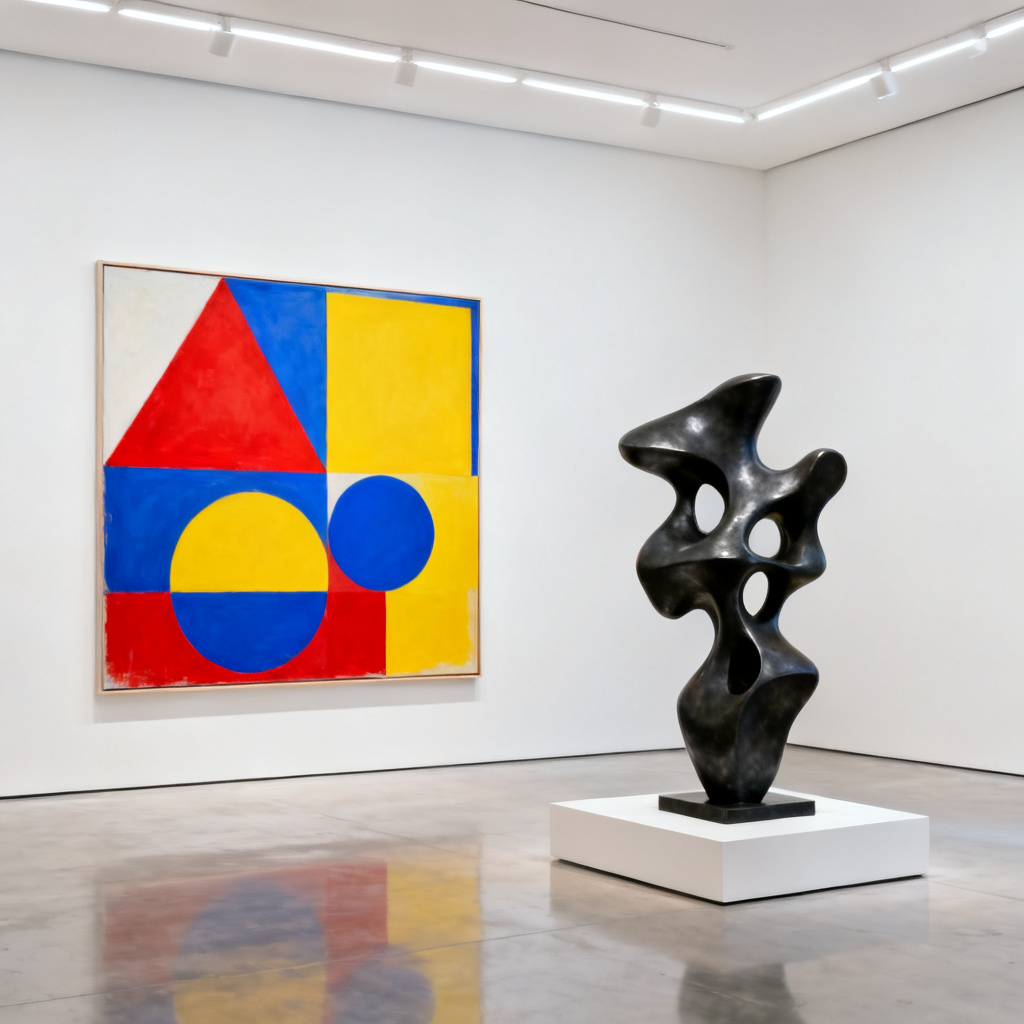
20th-century artistic movement
➕
/twentiːθ ˈsentʃəri ɑːˈtɪstɪk ˈmuːvmənt/
n.
A broad cultural and artistic movement in the early-to-mid 20th century characterized by a deliberate break from traditional styles and a focus on abstraction, experimentation, and new forms of expression.
📘 Details & Usage
📖 Root Explanation
From Latin 'modo' (just now) + suffix '-ism' (movement/doctrine).
💡 Mnemonic
'Modern' + 'ism' = a new mode of artistic thinking.
📖 Example
The building's simple geometric shapes and lack of ornate decoration are perfect examples of modernism in architecture.
The building's simple geometric shapes and lack of ornate decoration are perfect examples of modernism in architecture.
🔗 Collocations
architectural modernism – the principles and styles of modernism applied to building design
literary modernism – a movement in literature using innovative narrative techniques and forms
embrace modernism – to fully accept and adopt modernist ideas or styles
🔄 Synonyms
avant-garde (n./adj.) – new and experimental ideas, especially in the arts
innovation (n.) – the introduction of new ideas or methods
abstraction (n.) – art that does not attempt to represent external reality, but seeks its effect through shapes and colors
🚫 Antonyms
traditionalism (n.) – adherence to traditional methods, styles, or views
classicism (n.) – following principles of ancient Greek and Roman art, emphasizing harmony and proportion
conservatism (n.) – commitment to traditional values and ideas with opposition to change
🌱 Derivatives
modernist (n./adj.) – a follower or characteristic of modernism
modernistic (adj.) – relating to or characteristic of modernism
modernize (v.) – to make something modern in style or function
📖 Cultural Story
Modernism emerged in the early 1900s as a response to industrialization and World War I. Artists rejected traditional forms to explore abstraction and new perspectives, shaping art, literature, and architecture.
Wordbook
Your data is saved in this browser