Reading Theme:
Irony Definition, Examples & Usage Guide (2 meaning)
Meaning 1:opposite outcome (irony)
irony
/ˈaɪrəni/
n.
when something happens that is the opposite of what you expected, and it's kind of funny or strange.

opposite outcome
➕
/ˈɒpəzɪt ˈaʊtkʌm/
n.
A situation in which the actual result is the opposite of what was expected, often highlighting a strange or amusing contradiction.
📘 Details & Usage
📖 Root Explanation
From Greek 'eirōneia' (dissimulation, feigned ignorance), from 'eirōn' (dissembler), probably related to 'eirein' (to speak).
💡 Mnemonic
I run away from expectations: the outcome is the opposite of what I ran toward.
📖 Example
The irony was that I finally bought a new umbrella, and it didn't rain for the rest of the month.
The irony was that I finally bought a new umbrella, and it didn't rain for the rest of the month.
🔗 Collocations
dramatic irony – a situation in a story where the audience knows more than the characters, creating tension
irony of fate – an unexpected twist of destiny that reverses what seemed certain
bitter irony – a harshly contradictory outcome that adds pain to the situation
🔄 Synonyms
contradiction (n.) – a situation in which two things are opposite or cannot both be true
paradox (n.) – a seemingly absurd or self-contradictory statement that may be true
incongruity (n.) – the quality of being out of place or inconsistent with expectations
🚫 Antonyms
consistency (n.) – the quality of always behaving or happening in the same way without contradiction
predictability (n.) – the quality of being easily foreseen or expected
🌱 Derivatives
ironic (adj.) – characterized by or expressing irony
ironically (adv.) – in a way that shows or involves irony
📖 Cultural Story
Originating in ancient Greek comedy, the 'eiron' was a clever underdog who pretended ignorance to outwit the boastful 'alazon'. Aristotle later defined irony as a rhetorical device where words contradict their literal meaning.
Meaning 2:sarcastic tone (irony)
irony
/ˈaɪrəni/
n.
saying the opposite of what you mean, often as a joke, and your tone of voice shows it.
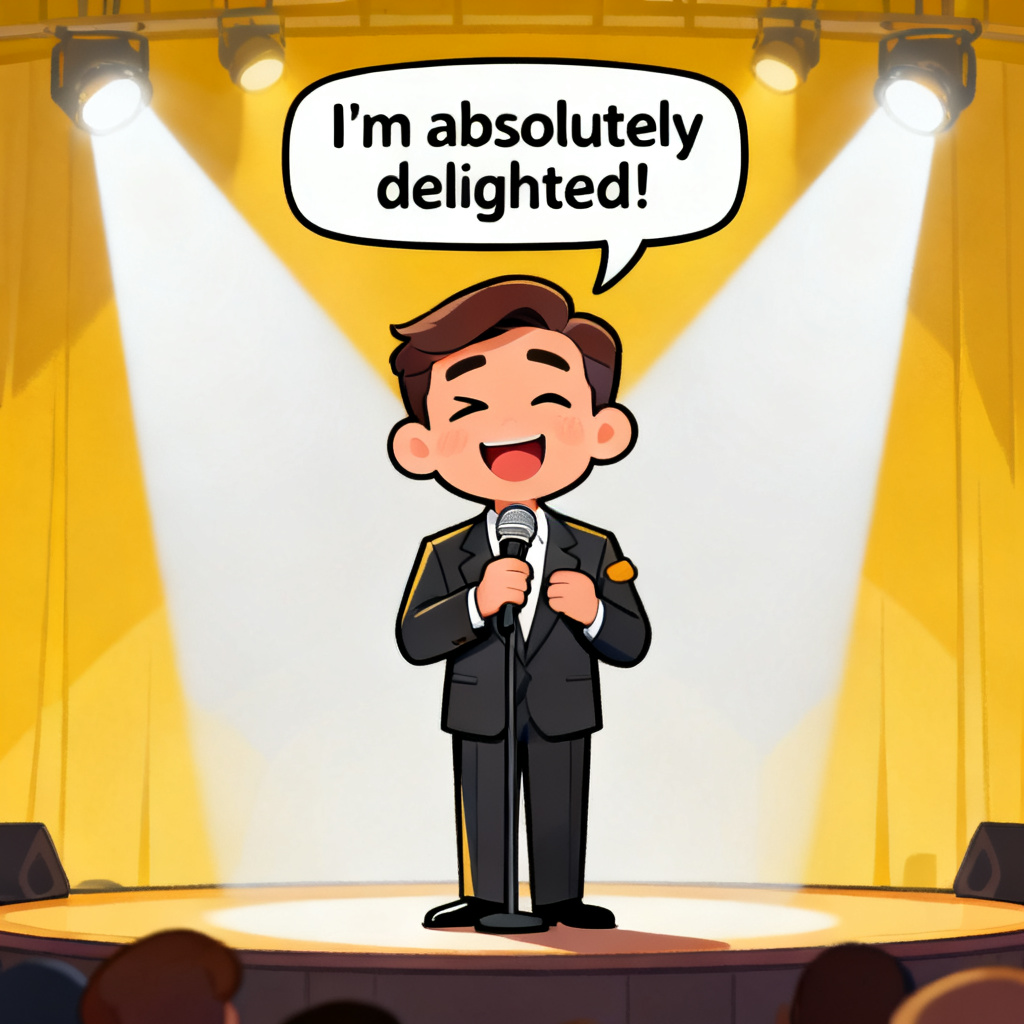
sarcastic tone
➕
/sɑːˈkæstɪk təʊn/
n.
A way of speaking in which the speaker says the opposite of what they really mean, often indicated by a mocking or humorous tone of voice.
📘 Details & Usage
📖 Example
"What lovely weather!" he said with heavy irony, looking out at the pouring rain.
"What lovely weather!" he said with heavy irony, looking out at the pouring rain.
🔗 Collocations
verbal irony – a form of irony where words express the opposite of their literal meaning
wry irony – a dry, understated form of ironic humor
ironic remark – a comment that deliberately contradicts the speaker's true feeling
🔄 Synonyms
🚫 Antonyms
sincerity (n.) – the quality of being honest and genuine in expression
earnestness (n.) – sincere and intense conviction
Wordbook
Your data is saved in this browser