Reading Theme:
Herbivore Definition, Usage & Animal Examples
Meaning 1:plant-eating animal (herbivore)
herbivore
/ˈhɜːrbɪvɔːr/
n.
An animal that gets its energy from eating plants, like grass or leaves, and does not eat meat.
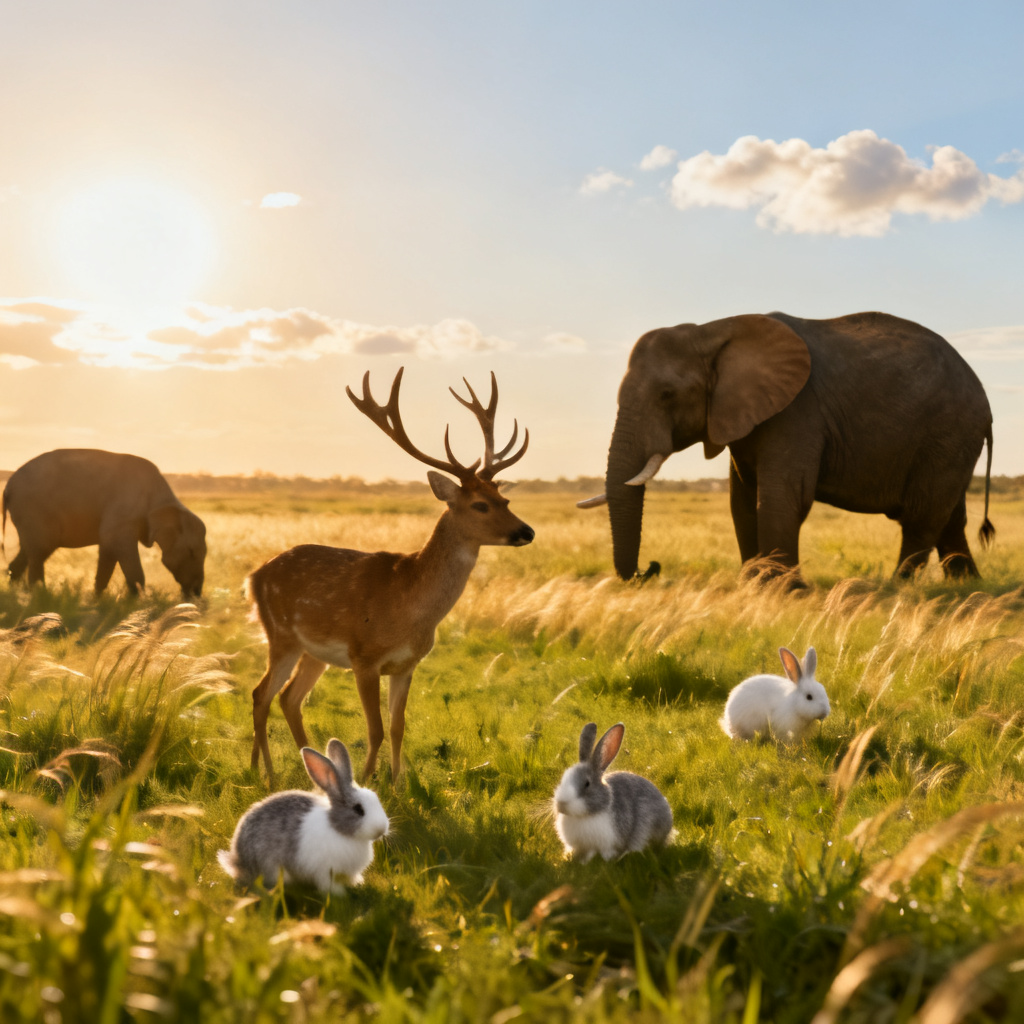
plant-eating animal
➕
/plænt ˈiːtɪŋ ˈænɪməl/
n.
An animal that consumes plants as its primary food source, such as grasses, leaves, and fruits, and does not include meat in its diet.
📘 Details & Usage
📖 Root Explanation
From Latin 'herba' (plant) + 'vorare' (to devour), meaning plant-eater.
💡 Mnemonic
Herbivores eat herbs and plants, not meat. Think 'herb' + 'vore' (as in devour).
📖 Example
When we visited the zoo, the guide explained that the elephant, peacefully eating hay, is a herbivore and plays a key role in spreading seeds in the wild.
During our zoo visit, the guide told us that the elephant, calmly eating hay, is a plant-eating animal and helps disperse seeds in nature.
🔗 Collocations
strict herbivore – an animal that eats only plants
large herbivore – a big plant-eating animal
herbivore diet – a diet consisting solely of plants
🔄 Synonyms
plant-eater (n.) – an animal that feeds on plants
vegetarian animal (n.) – an animal that consumes only plant material
folivore (n.) – a herbivore that specializes in eating leaves
🚫 Antonyms
🌱 Derivatives
herbivorous (adj.) – feeding on plants
herbivory (n.) – the practice of eating plants
📖 Cultural Story
The term originates from Latin 'herbivorus', combining 'herba' (plant) and 'vorare' (to devour). It is widely used in biology and ecology to classify animals based on diet.
Wordbook
Your data is saved in this browser