Reading Theme:
Fantasy: Definition, Usage & Examples (2 meaning)
Meaning 1:imaginary idea (fantasy)
fantasy
/ˈfæntəsi/
n.
An idea or story that you make up in your mind, but is not real or likely to happen, like a daydream.
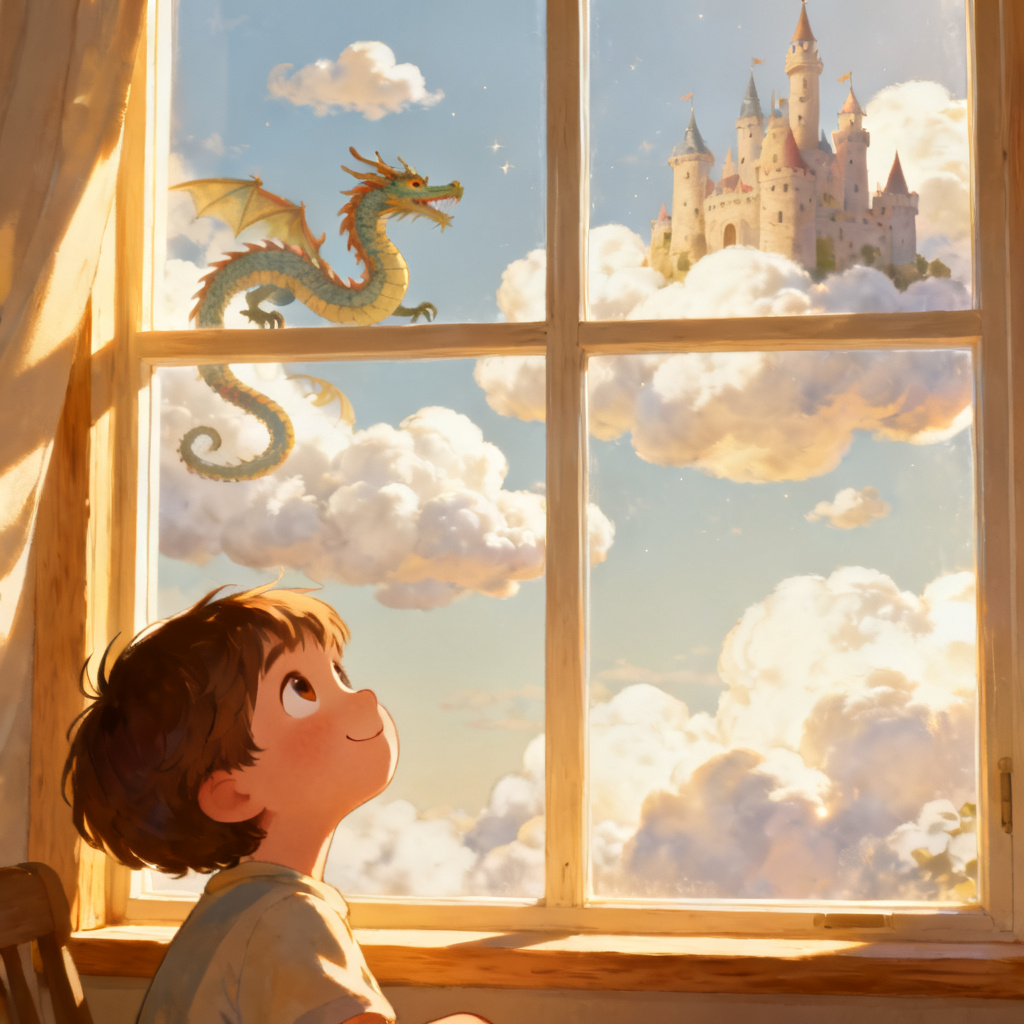
imaginary idea
➕
/ɪˈmædʒɪˌnɛri aɪˈdiə/
n.
Refers to a mental creation, often elaborate and wishful, that exists only in one's imagination and is not based in reality.
📘 Details & Usage
📖 Root Explanation
From Greek 'phantazein' (to make visible) via Latin 'phantasia' (imagination).
💡 Mnemonic
Think of 'fancy'—both start with 'fan' and relate to imagination and whimsical ideas.
📖 Example
As a child, her fantasy was to have a pet dragon that could fly her to school.
As a child, her imaginary idea was to have a pet dragon that could fly her to school.
🔗 Collocations
live in a fantasy world – to be disconnected from reality and preoccupied with one's own imaginings
fantasy football – a game where participants assemble imaginary teams from real players
childhood fantasy – an imaginative dream or aspiration from when one was young
🔄 Synonyms
daydream (n.) – A pleasant series of thoughts that distract one's attention from the present.
illusion (n.) – A false idea or belief, often one that is hoped for.
pipe dream (n.) – An unattainable or fanciful hope or scheme.
🚫 Antonyms
🌱 Derivatives
fantasize (v.) – To indulge in daydreaming or imaginative thinking.
fantastical (adj.) – Imaginary and very strange or unlikely.
📖 Cultural Story
The word 'fantasy' entered English in the 14th century from Old French 'fantasie', which came from Latin 'phantasia', meaning 'imagination, appearance'. This, in turn, was borrowed from Greek 'phantasia' (appearance, image, perception), derived from 'phantazein' (to make visible). Initially, it denoted the faculty of imagination. It evolved to describe the literary genre of imaginative fiction in the 20th century, popularized by works like Tolkien's 'The Lord of the Rings'.
Meaning 2:genre of fiction (fantasy)
fantasy
/ˈfæntəsi/
n.
A type of book, film, or game that has magic, imaginary creatures, and made-up worlds in it, like Harry Potter.
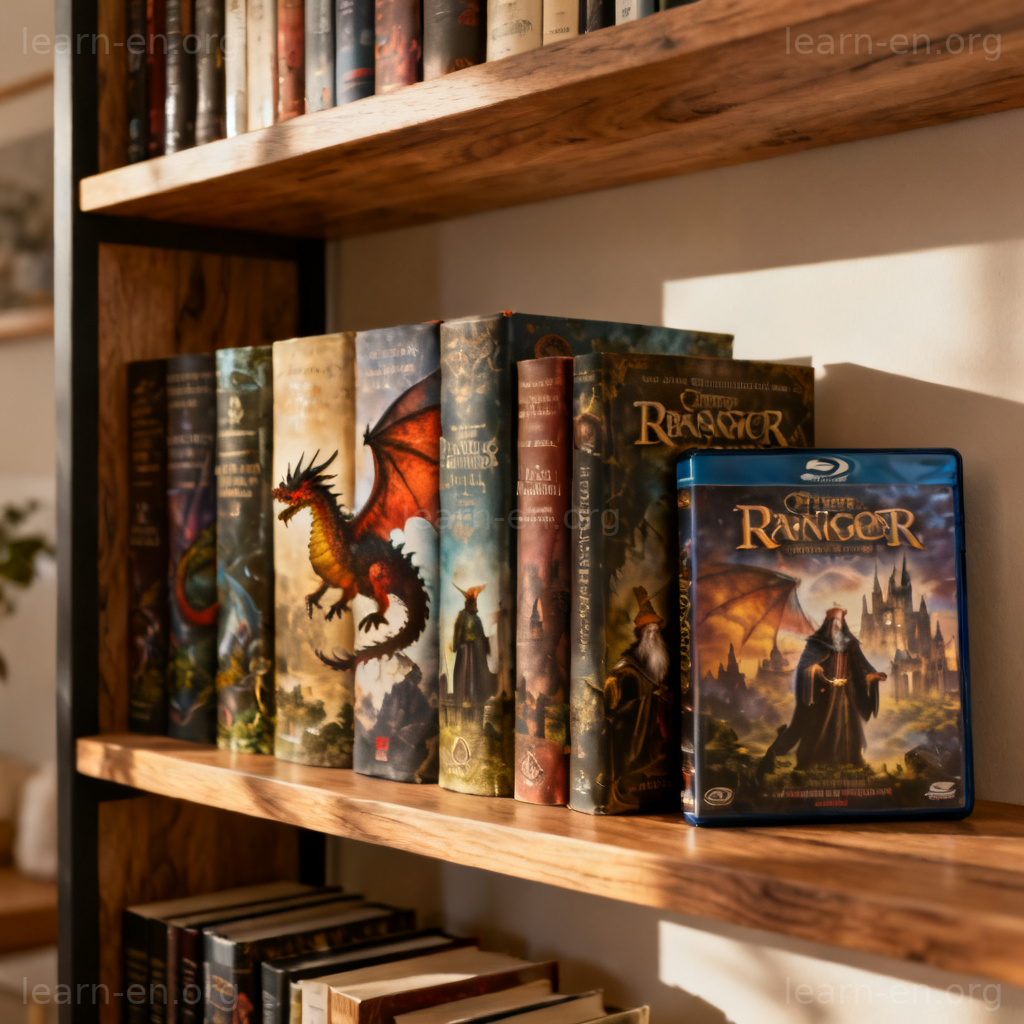
genre of fiction
➕
/ˈʒɑnrə əv ˈfɪkʃən/
n.
Denotes a category of creative work (literature, film, games) characterized by settings, events, or beings that are impossible in the real world, often involving magic, myth, or supernatural elements.
📘 Details & Usage
📖 Example
He loves reading science fiction, but his favorite book series is actually a fantasy about a hidden magical kingdom.
He loves reading science fiction, but his favorite book series is actually a genre of fiction about a hidden magical kingdom.
🔗 Collocations
fantasy novel – a book belonging to the fantasy genre
high fantasy – a subgenre set in an entirely fictional world with its own rules
fantasy film – a movie that features magical or supernatural elements
🔄 Synonyms
fiction (n.) – Literature describing imaginary events and people, a broader category that includes fantasy.
mythology (n.) – A collection of myths, especially one belonging to a particular culture, often featuring gods and heroes.
fairy tale (n.) – A children's story about magical and imaginary beings and lands.
🚫 Antonyms
non-fiction (n.) – Prose writing that is based on facts, real events, and real people.
documentary (n.) – A film or television program providing a factual record or report.
🌱 Derivatives
fantasist (n.) – A person who writes or creates fantasies, or who indulges in daydreaming.
fantasyland (n.) – An imaginary place or situation, often implying it is unrealistically ideal.
Wordbook
Your data is saved in this browser