Reading Theme:
Fallow Definition, Usage & Common Examples
Meaning 1:left unplanted (fallow)
fallow
/ˈfæləʊ/
adj.
Describing farmland that is ploughed but not planted for a while, to let it rest and become fertile again.
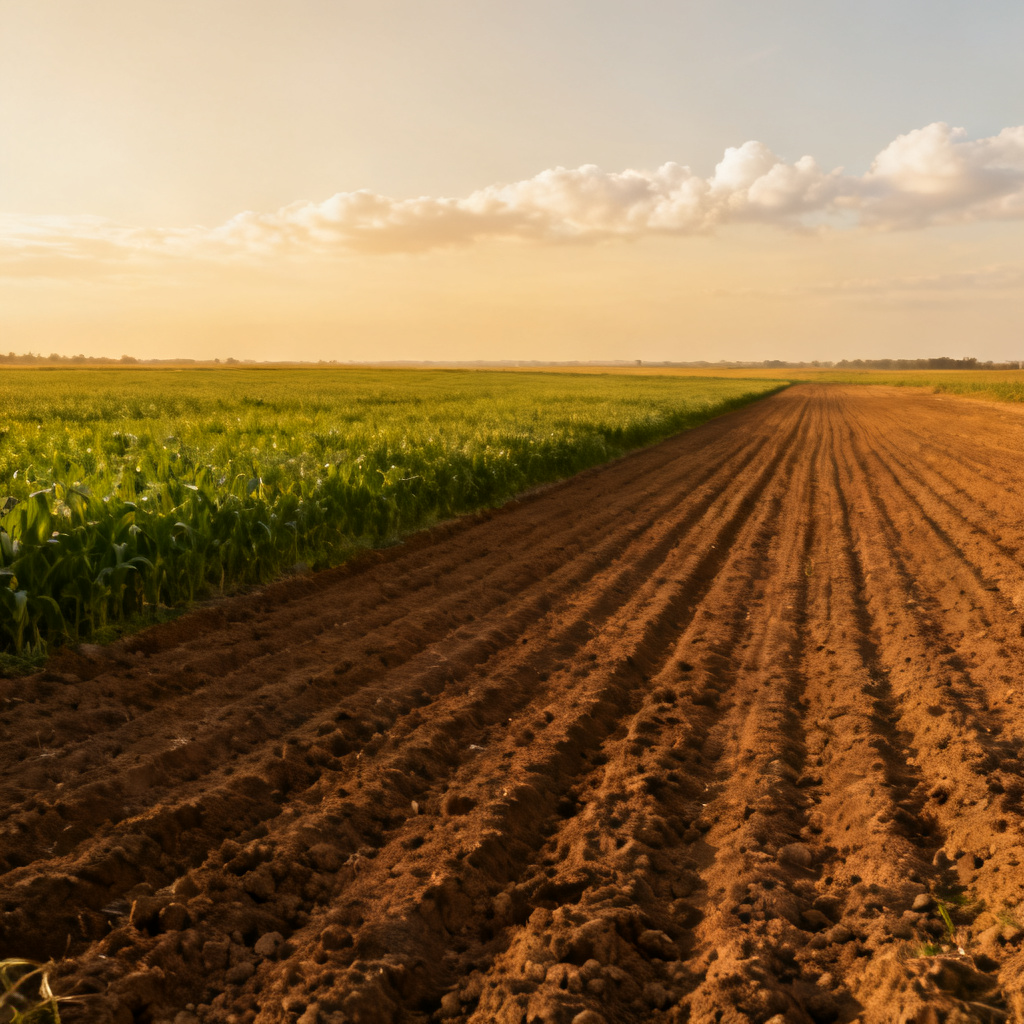
left unplanted
➕
/ˌleft ʌnˈplæntɪd/
adj.
Describes farmland that has been plowed but is intentionally not seeded for a period to allow the soil to recover its fertility.
📘 Details & Usage
📖 Root Explanation
From Old English "fealh" (plowed land), possibly related to "fealo" (pale brown, fallow).
💡 Mnemonic
Think: The FALLOW field just FOLLOWS orders to rest—nothing is allowed to grow.
📖 Example
After three years of continuous corn planting, the farmer decided to leave the south field fallow this summer to improve soil health.
Following the harvest, the agricultural plot was deliberately left fallow for the entire season to rebuild its nutrient content.
🔗 Collocations
fallow land – Land that is currently not being used for growing crops.
leave fallow – To intentionally not plant crops on land.
lie fallow – To remain uncultivated for a period.
🔄 Synonyms
unused (adj.) – Not being used, but may not imply intentional rest for fertility.
idle (adj.) – Not active or in use.
uncultivated (adj.) – Not prepared for or used for growing crops.
🚫 Antonyms
cultivated (adj.) – Land prepared and used for growing crops.
planted (adj.) – Having seeds or crops placed in the soil to grow.
productive (adj.) – Yielding or producing abundantly.
🌱 Derivatives
fallowness (n.) – The state or quality of being fallow.
📖 Cultural Story
Historically, fallowing is a crucial practice in crop rotation to restore soil nutrients. The word's association with a pale brown color (like unplanted earth) from Old English persists in describing land left uncultivated for a season.
Wordbook
Your data is saved in this browser