Reading Theme:
Exacerbate: Definition, Usage & Examples
Meaning 1:make worse (exacerbate)
exacerbate
/ɪɡˈzæsəbeɪt/
vt.
To make a bad situation, problem, or feeling worse.
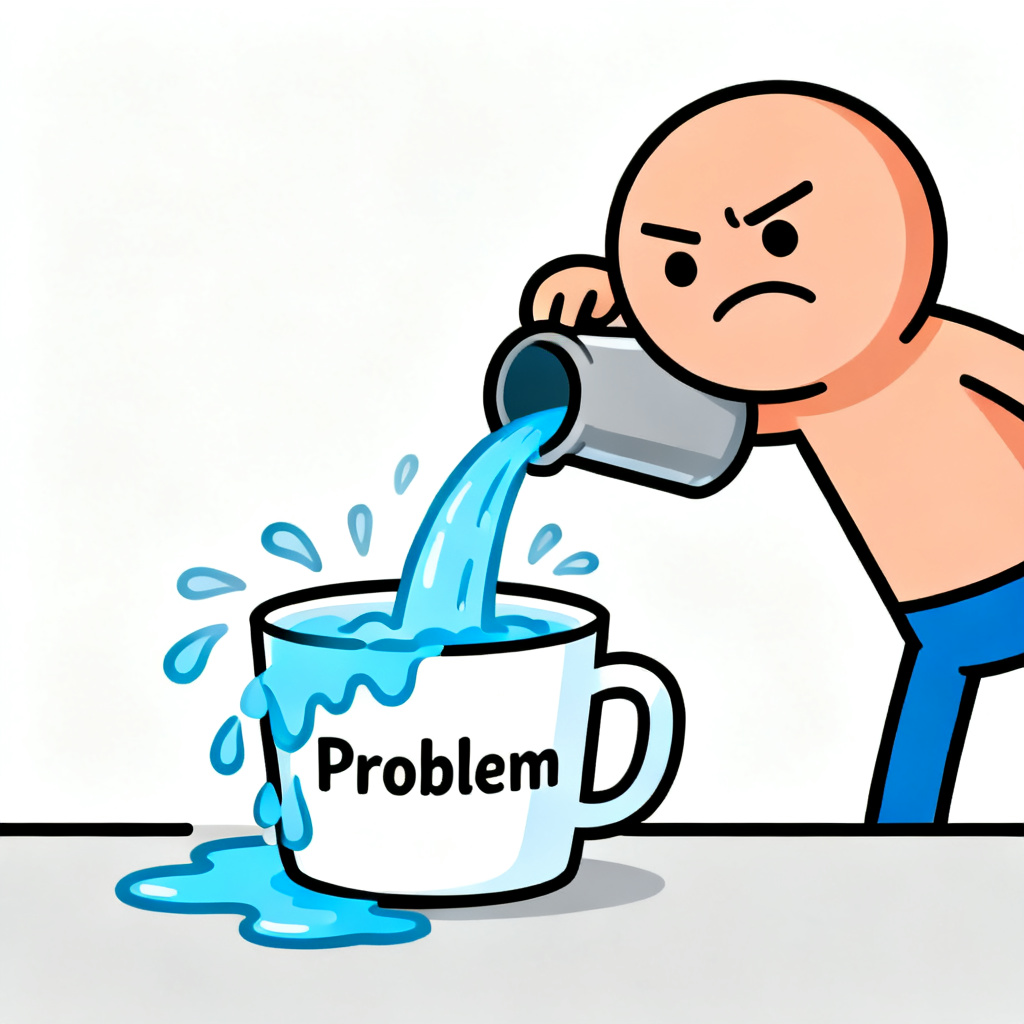
make worse
➕
/meɪk wɜːrs/
vt.
To cause a negative situation, condition, or feeling to become more severe, intense, or problematic.
📘 Details & Usage
📖 Root Explanation
From Latin 'exacerbat-' (made harsh), from 'ex-' (thoroughly) + 'acerbus' (bitter, harsh).
💡 Mnemonic
Think: 'X-ACERB-ate'. ACERB is like 'acerbic' (sharp and bitter). So, to EXACERBATE is to make a situation more bitter/sharp/worse.
📖 Example
Eating ice cream might feel good at first, but it can exacerbate a sore throat and make your cough worse.
Eating ice cream might provide initial comfort, but it can worsen a sore throat and intensify your cough.
🔗 Collocations
exacerbate a problem – to make an existing issue more serious
exacerbate tension – to increase the level of strain or hostility
exacerbate symptoms – to make the signs of an illness more pronounced
🔄 Synonyms
🚫 Antonyms
alleviate (vt.) – To make a problem, pain, or burden less severe.
mitigate (vt.) – To make something less harmful, unpleasant, or bad.
ameliorate (vt.) – To make a bad or unsatisfactory situation better.
🌱 Derivatives
exacerbation (n.) – The act or process of making something worse; a worsening.
exacerbating (adj.) – Causing a situation to become more severe or intense.
📖 Cultural Story
Originating from the Latin 'exacerbare', meaning 'to irritate' or 'to embitter'. In modern English, it's a formal word often used in contexts like medicine (exacerbating symptoms), economics (exacerbating a crisis), or politics (exacerbating tensions).
Wordbook
Your data is saved in this browser