Reading Theme:
Element: Definition, Usage & Common Examples (3 meaning)
Meaning 1:fundamental component (element)
element
/ˈelɪmənt/
n.
A basic and important part of a whole thing.

fundamental component
➕
/ˌfʌndəˈmentl kəmˈpoʊnənt/
n.
A core and indispensable piece that constitutes a larger whole or system.
📘 Details & Usage
📖 Root Explanation
From Latin 'elementum', meaning a basic constituent or principle.
💡 Mnemonic
Think 'ele' as in elevate and 'ment' as in component – an essential component that elevates the whole.
📖 Example
Teamwork is the most important element in our project's success.
Teamwork is the most important element in our project's success.
🔗 Collocations
key element – a crucial and indispensable part
essential element – a necessary and fundamental component
basic element – the simplest and most important part
🔄 Synonyms
component (n.) – a part or element of a larger whole
part (n.) – a piece or segment that contributes to a whole
ingredient (n.) – a component part of a mixture, often used metaphorically
🚫 Antonyms
🌱 Derivatives
elemental (adj.) – relating to or resembling a basic, fundamental force or substance
elementary (adj.) – relating to the simplest or most basic aspects
📖 Cultural Story
The word 'element' originates from Latin 'elementum', used in ancient philosophy for the four fundamental substances: earth, water, air, and fire. It now denotes any basic part or principle.
Meaning 2:chemical substance or natural force (element)
element
/ˈelɪmənt/
n.
A basic substance, like oxygen or iron, that cannot be broken down into simpler substances. Or, a natural force like wind or fire.
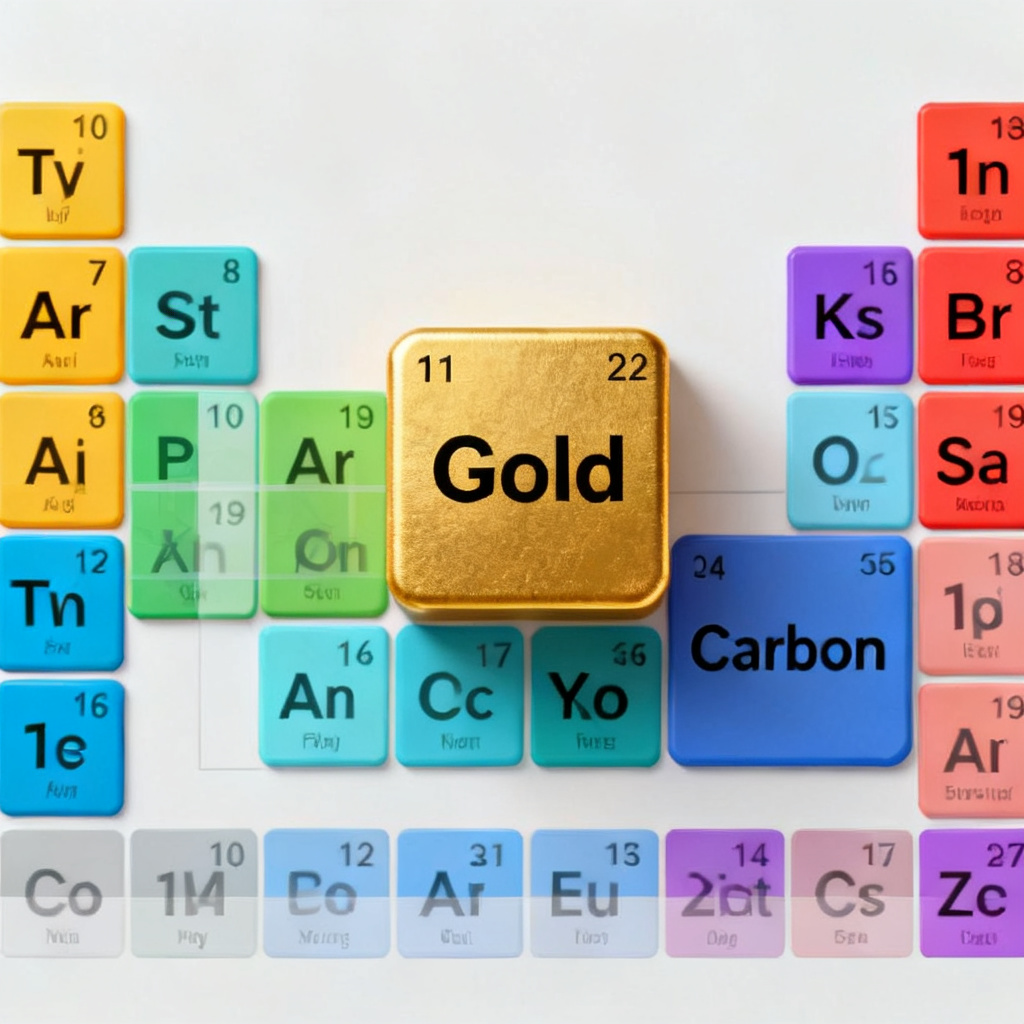
chemical substance or natural force
➕
/ˈkemɪkl ˈsʌbstəns ɔːr ˈnætʃərəl fɔːrs/
n.
A fundamental substance that cannot be decomposed into simpler substances by chemical means, or a natural power such as wind or fire.
📘 Details & Usage
📖 Example
We learned that water is made up of two chemical elements: hydrogen and oxygen.
We learned that water is made up of two chemical elements: hydrogen and oxygen.
🔗 Collocations
chemical element – a substance consisting of atoms with the same atomic number
periodic table of elements – a tabular arrangement of the chemical elements
natural elements – the fundamental forces of nature, such as earth, water, air, and fire
🔄 Synonyms
🚫 Antonyms
compound (n.) – a substance formed from two or more elements chemically combined
Meaning 3:fundamental principles (element)
element
/ˈelɪmənt/
n.
The most basic and important ideas or parts of a subject or skill that you must learn first.

fundamental principles
➕
/ˌfʌndəˈmentl ˈprɪnsəplz/
n.
The most basic and essential ideas or skills that form the foundation of a subject or activity.
📘 Details & Usage
📖 Example
Before learning advanced techniques, you must master the basic elements of cooking, like chopping and boiling.
Before learning advanced techniques, you must master the basic elements of cooking, like chopping and boiling.
🔗 Collocations
basic elements – the simplest and most important parts to learn first
fundamental elements – the core principles that underpin a subject
essential elements – the necessary components for understanding or performing a task
🔄 Synonyms
basics (n.) – the simplest and most important facts, ideas, or skills
fundamentals (n.) – the basic principles or rules of a subject
principles (n.) – a fundamental truth or proposition serving as the foundation for belief or action
🚫 Antonyms
advanced concepts (n.) – complex ideas or skills built upon basic elements
Wordbook
Your data is saved in this browser