Reading Theme:
Electronic: Definition, Usage & Examples
Meaning 1:operated by electricity (electronic)
electronic
/ɪˌlekˈtrɒn.ɪk/
adj.
Something uses electricity and usually small computer parts to work, like phones and computers.
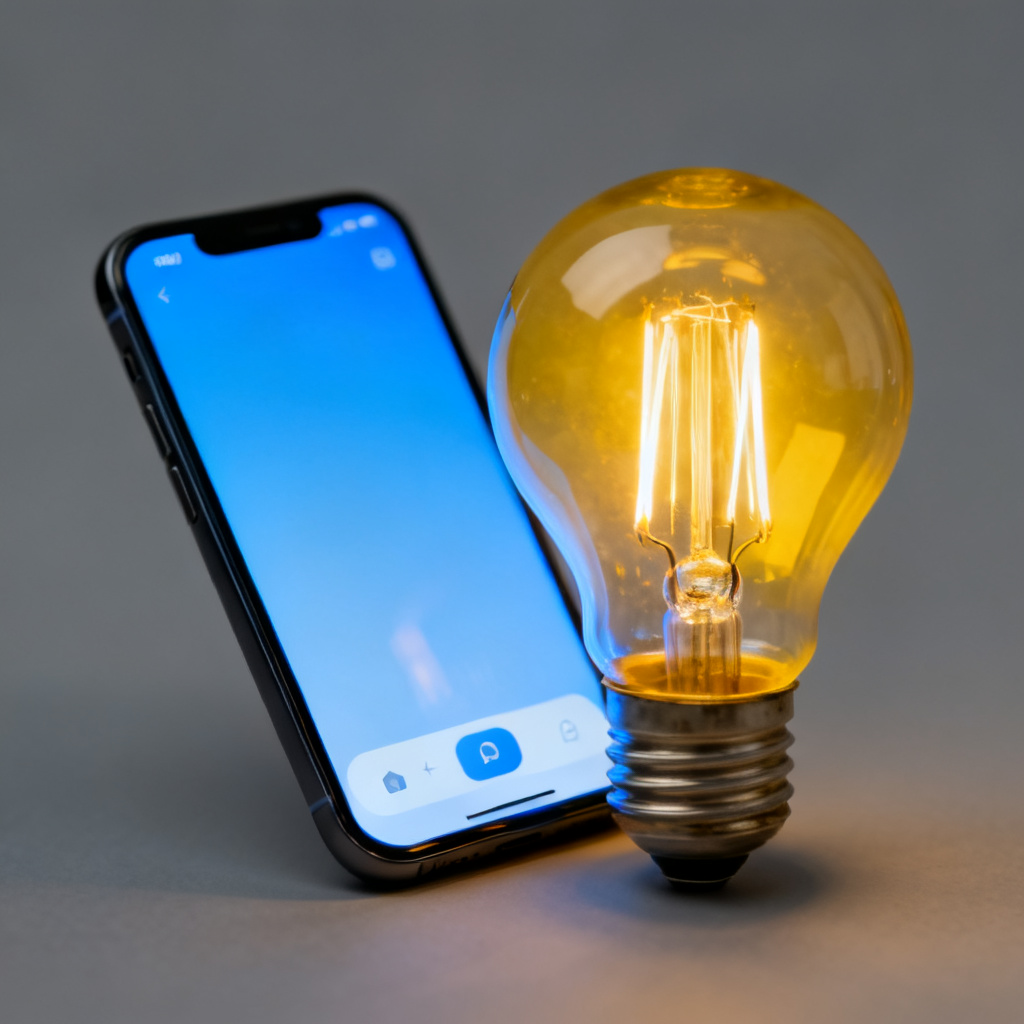
operated by electricity
➕
/ˈɒp.ər.eɪ.tɪd baɪ ɪˌlekˈtrɪs.ə.ti/
adj.
Describes devices or systems that function using electrical power and often incorporate miniature circuits or computer components to process information or perform tasks.
📘 Details & Usage
📖 Root Explanation
Derived from 'electron' (a subatomic particle) + the adjective-forming suffix '-ic'. The root 'electron' itself comes from the Greek 'ēlektron', meaning amber, a substance known for its static electric properties when rubbed.
💡 Mnemonic
Think of 'electr-on-ic' as something that is ON because of electricity (electr-). The '-tronic' part sounds like 'tronic' in 'electronic', reminding you of technology powered by tiny electrons.
📖 Example
In the music store, people were comparing the warm sound of traditional pianos with the versatile features of electronic keyboards.
In the music store, people were comparing the warm sound of traditional pianos with the versatile features of electronic keyboards.
🔗 Collocations
electronic device – a piece of equipment that operates using electrical circuits, such as a smartphone or tablet
electronic communication – the exchange of information using technology like email, text messages, or video calls
🔄 Synonyms
🚫 Antonyms
mechanical (adj.) – Operated by physical moving parts, like gears and springs, rather than by electric circuits.
manual (adj.) – Operated or done by hand without the use of electricity or automation.
🌱 Derivatives
electronically (adv.) – in a way that involves or uses electronic technology
electronics (n.) – the branch of physics and technology concerned with the design and application of electronic circuits
📖 Cultural Story
The term 'electronic' is deeply rooted in the history of science. It originates from 'electron', coined by Irish physicist G. Johnstone Stoney in 1891 from the Greek word 'ēlektron' (amber). Amber's ancient property of attracting light objects when rubbed was the first observed electrical phenomenon. The modern sense of 'electronic' emerged in the early 20th century with the development of devices like the vacuum tube, which controlled electron flow, leading to the electronics revolution.
Wordbook
Your data is saved in this browser