Reading Theme:
Dystrophy Definition, Symptoms & Usage
Meaning 1:muscle wasting disease (dystrophy)
dystrophy
/ˈdɪstrəfi/
n.
A medical condition where a part of the body, especially muscles, becomes weak and wastes away over time.
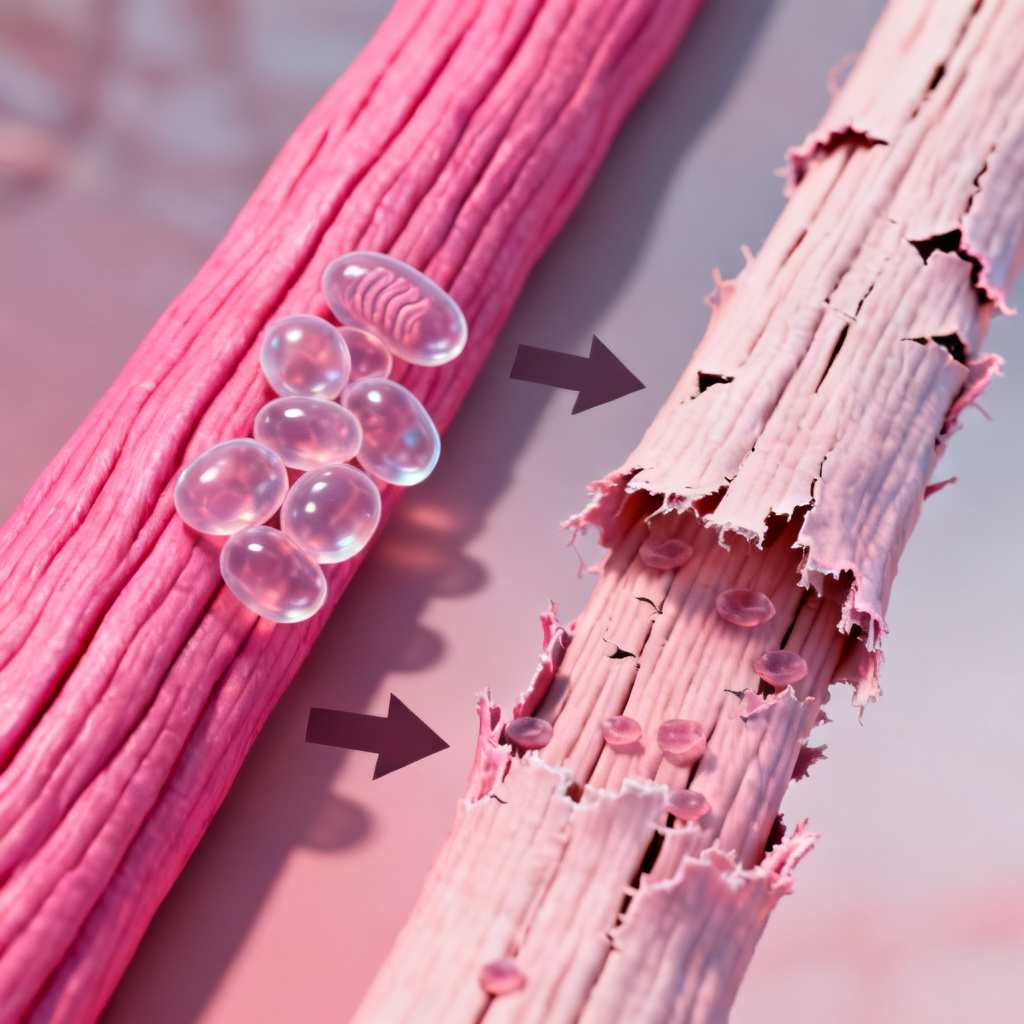
muscle wasting disease
➕
/ˈmʌsəl ˈweɪstɪŋ dɪˈziːz/
n.
A medical condition characterized by progressive weakness and degeneration of muscles, often due to genetic defects affecting muscle proteins.
📘 Details & Usage
📖 Root Explanation
From Greek 'dys-' (bad) + 'trophē' (nourishment); meaning abnormal growth or wasting.
💡 Mnemonic
Dys (bad) + trophy (prize) → Bad prize for muscles: they waste away.
📖 Example
Through fundraising events, the community showed great support for children living with dystrophy.
Through fundraising events, the community showed great support for children living with dystrophy.
🔗 Collocations
muscular dystrophy – A group of genetic diseases causing progressive weakness and loss of muscle mass.
Duchenne dystrophy – The most common and severe form of muscular dystrophy, typically affecting boys.
myotonic dystrophy – A form of dystrophy characterized by muscle wasting and myotonia (delayed muscle relaxation).
🔄 Synonyms
atrophy (n.) – The partial or complete wasting away of a part of the body, often due to disuse or disease.
muscle atrophy (n.) – The loss of skeletal muscle mass, which can result from malnutrition, aging, or disease.
myopathy (n.) – A disease of the muscle tissue, often causing weakness and wasting.
🌱 Derivatives
dystrophic (adj.) – Relating to or affected by dystrophy.
dystrophin (n.) – A protein essential for muscle fiber integrity, deficient in Duchenne muscular dystrophy.
📖 Cultural Story
Originates from Greek 'dystrophia' (dys- bad + trophē nourishment). First used in 19th-century medicine to describe muscle wasting diseases. The term gained prominence with advances in genetics, notably for Duchenne muscular dystrophy.
Wordbook
Your data is saved in this browser