Reading Theme:
Disorder: Definition, Usage & Common Examples (2 meaning)
Meaning 1:a messy state (disorder)
disorder
/dɪsˈɔːrdər/
n.
A state when things are messy, untidy, or not organized. When there is no proper order or arrangement.

a messy state
➕
/ə ˈmɛsi steɪt/
n.
This meaning refers to a physical or situational condition where things are not properly arranged, resulting in clutter and confusion.
📘 Details & Usage
📖 Root Explanation
From prefix 'dis-' (lack of, opposite) + 'order' (arrangement). Literally 'a lack of order'.
💡 Mnemonic
Imagine a room where everything is OUT OF ORDER. DIS-ORDER literally means the order is broken or absent.
📖 Example
After the kids finished playing, the living room was in complete disorder with toys and books scattered everywhere.
Once the children were done playing, the living room was left in a completely messy state, with toys and books spread all over the place.
🔗 Collocations
in complete disorder – In a state of total mess and disorganization.
throw into disorder – To cause something to become disorganized or chaotic.
public disorder – A state of unruly behavior or disturbance among people in public.
🔄 Synonyms
🚫 Antonyms
order (n.) – A neat, tidy, or systematic arrangement.
tidiness (n.) – The quality or state of being neat and well-organized.
organization (n.) – The structured and efficient arrangement of parts or elements.
🌱 Derivatives
disorderly (adj.) – Untidy, messy, or unruly; not conforming to order.
📖 Cultural Story
Entered English in the 15th century from the Anglo-French 'desordre', itself from Old French. Its core sense of 'lack of order' has remained stable for centuries, later extending to medical and social contexts.
Meaning 2:an illness (disorder)
disorder
/dɪsˈɔːrdər/
n.
An illness or problem where a part of the body or mind stops working correctly. It's not a simple sickness but a more complex condition.
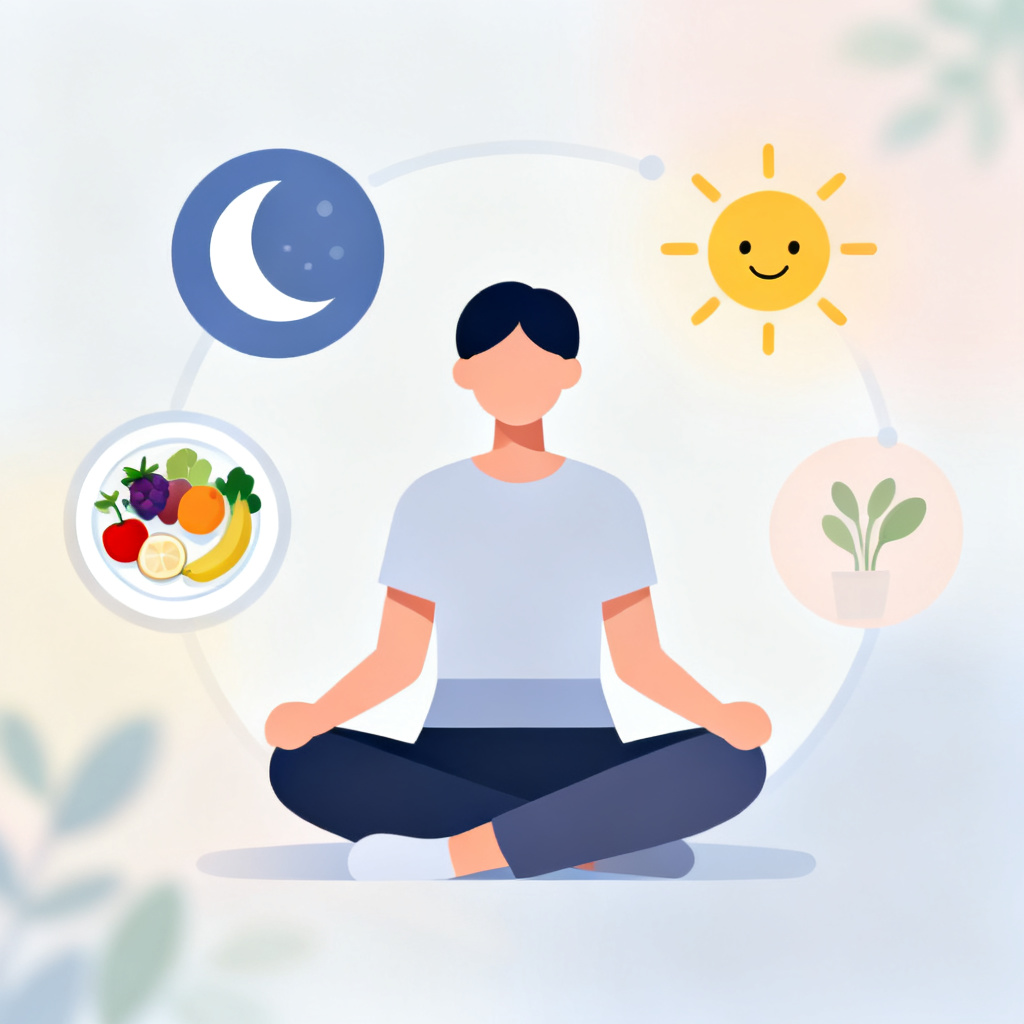
an illness
➕
/ən ˈɪlnəs/
n.
This meaning refers to a medical condition that disrupts the normal functioning of the body or mind.
📘 Details & Usage
📖 Example
Eating a balanced diet and regular exercise can help manage some digestive disorders.
Consuming a variety of nutritious foods and staying active can assist in controlling certain digestive illnesses.
🔗 Collocations
mental disorder – A condition that affects a person's thinking, feeling, or behavior.
sleep disorder – A medical condition that disrupts normal sleep patterns.
genetic disorder – An illness caused by abnormalities in an individual's DNA.
🔄 Synonyms
🚫 Antonyms
🌱 Derivatives
disordered (adj.) – Functioning abnormally; referring to a disturbed physical or mental state.
Wordbook
Your data is saved in this browser