Reading Theme:
Deficiency: Definition, Usage & Examples
Meaning 1:lack or shortage (deficiency)
deficiency
/dɪˈfɪʃnsi/
n.
It means something is missing or not enough, so it can't meet the normal need or standard.
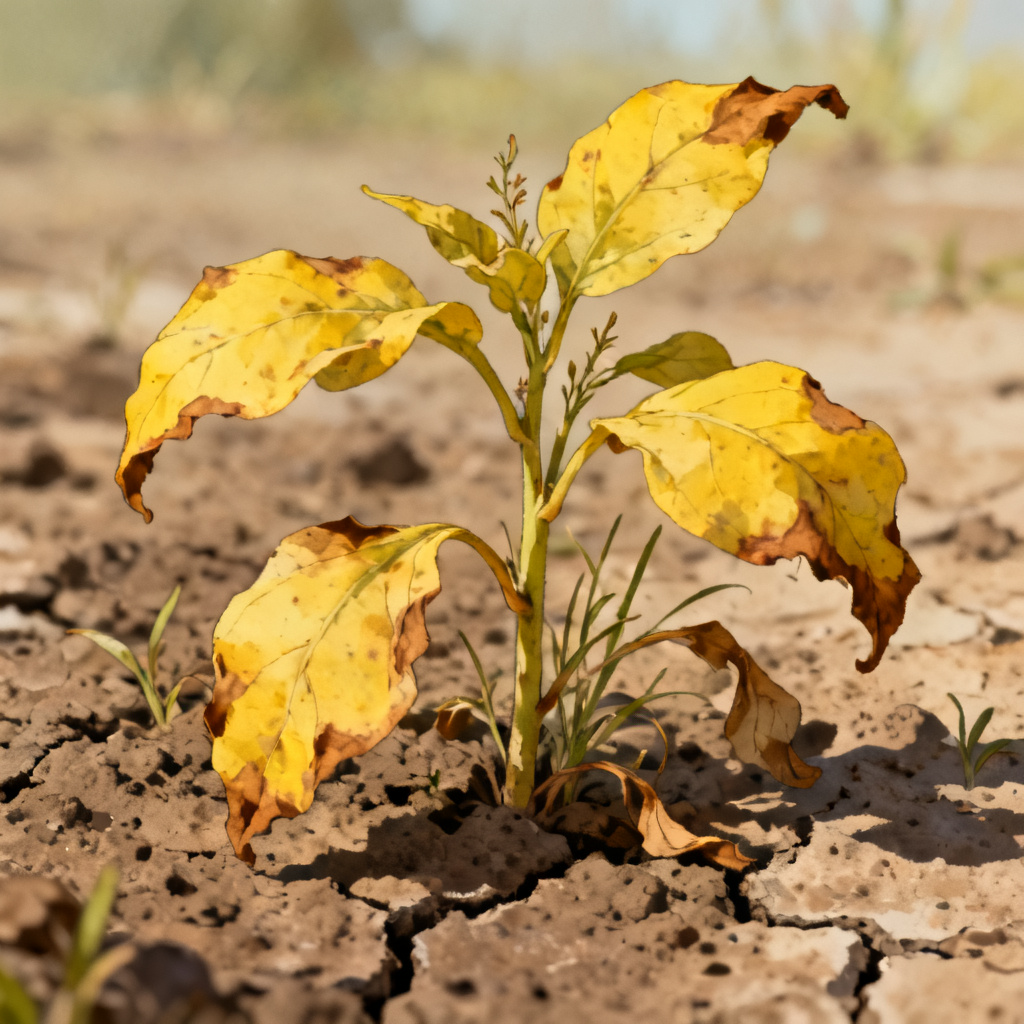
lack or shortage
➕
/ˈlæk ɔːr ˈʃɔːrtɪdʒ/
n.
A state or condition where something necessary or desired is absent or not present in sufficient quantity.
📘 Details & Usage
📖 Root Explanation
From Latin 'deficere' (de- 'down, away' + facere 'to do, make'), meaning 'to fail, be lacking'.
💡 Mnemonic
De-fish-ency - imagine a pond lacking or deficient in fish!
📖 Example
The doctor found that the patient's pale skin and constant tiredness were due to an iron deficiency.
The doctor found that the patient's pale skin and constant tiredness were due to a lack or shortage of iron.
🔗 Collocations
vitamin deficiency – a lack of essential vitamins
iron deficiency – a shortage of iron in the body
deficiency in something – a lack or shortfall in a particular thing
🔄 Synonyms
shortage (n.) – A situation where there is not enough of something.
lack (n.) – The state of being without or not having enough of something.
insufficiency (n.) – The condition of being inadequate or not enough for a purpose.
🚫 Antonyms
surplus (n.) – An amount of something left over when requirements have been met; an excess.
abundance (n.) – A very large quantity of something; plentifulness.
sufficiency (n.) – The condition of being enough or adequate for a purpose.
🌱 Derivatives
deficient (adj.) – Lacking in some necessary quality or element.
deficiently (adv.) – In a manner that shows a lack or shortage.
📖 Cultural Story
The word traces back to Latin 'deficientia', a state of lacking or failing. It entered English in the 16th century through French, solidifying its use in describing shortcomings in everything from nutrients in diets to skills in evaluations, reflecting a focus on measurable adequacy.
Wordbook
Your data is saved in this browser