Reading Theme:
Debris Meaning, Examples, and Usage
Meaning 1:broken pieces from destruction (debris)
debris
/dəˈbriː/
n.
Small pieces of something that are left after it breaks or is destroyed.
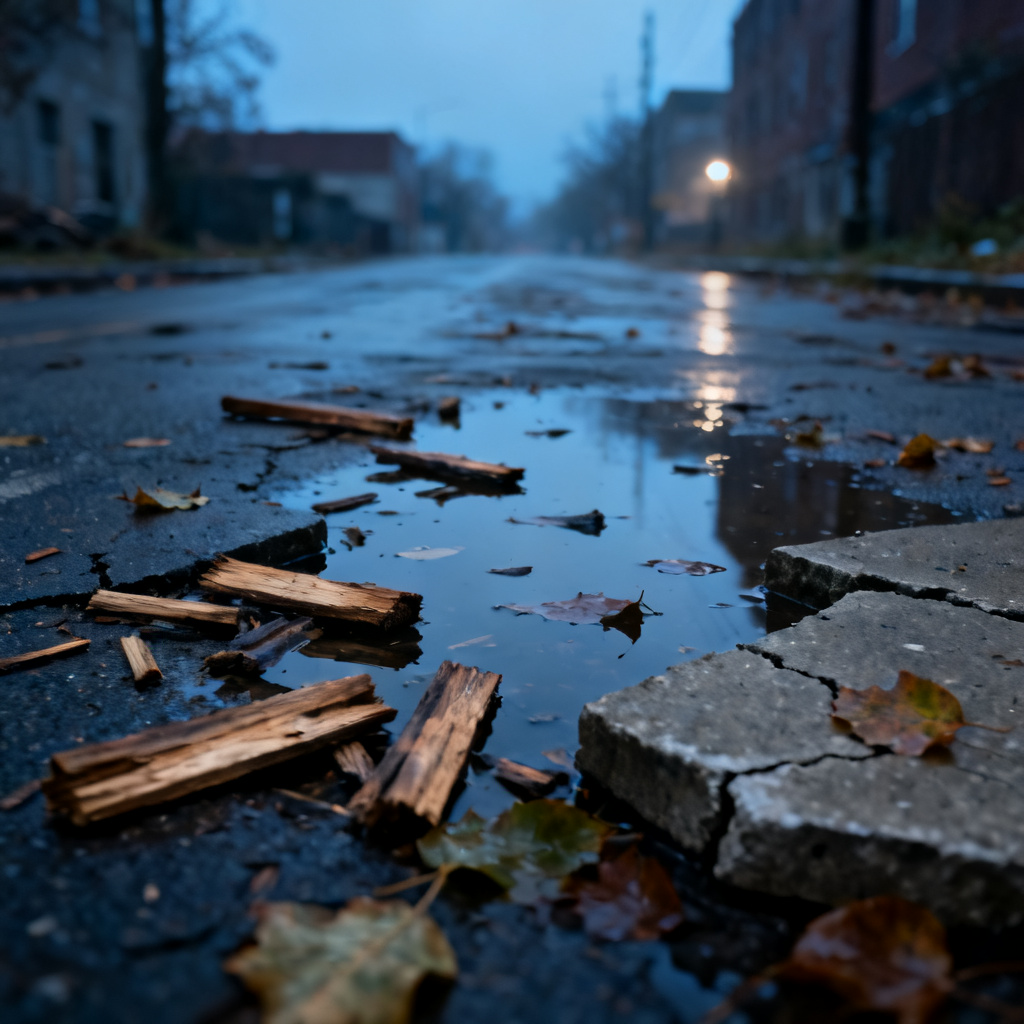
broken pieces from destruction
➕
/ˈbroʊkən ˈpiːsɪz frəm dɪˈstrʌkʃən/
n.
Small fragments and scattered remnants left after something is broken or destroyed, such as rubble from a collapsed building.
📘 Details & Usage
📖 Root Explanation
From French débris, from de- (down, away) + briser (to break).
💡 Mnemonic
Imagine a 'day breeze' scattering broken pieces across the ground. 'Debris' sounds like 'day breeze'.
📖 Example
After the earthquake, the streets were covered with debris from collapsed buildings.
After the earthquake, the streets were covered with debris from collapsed buildings.
🔗 Collocations
debris field – an area covered with scattered debris from an explosion or disaster
debris removal – the process of clearing away broken pieces and waste
debris flow – a fast-moving mixture of water, mud, and broken rocks
🔄 Synonyms
📖 Cultural Story
Originating from French, débris literally means 'broken pieces', often used in contexts of destruction like post-war ruins or natural disaster aftermath.
Wordbook
Your data is saved in this browser