Reading Theme:
Customs Definition: Border Inspection & Cultural Traditions (2 meaning)
Meaning 1:government border inspection (customs)
customs
/ˈkʌstəmz/
n.
The government office at an airport, port, or border that checks what goods people are bringing into a country and collects any tax.

government border inspection
➕
/ˈɡʌvərnmənt ˈbɔːrdər ɪnˈspekʃən/
n.
The official department at an airport, port, or border that examines luggage and goods to enforce import/export laws and collect duties.
📘 Details & Usage
📖 Root Explanation
From Latin 'consuetudo' (habit) via Old French 'custume'; the plural form 'customs' became specialized for duties at borders.
💡 Mnemonic
Customs: at the border, they inspect your 'customs' (habits) of bringing goods; the same word covers both taxes and traditions.
📖 Example
When you arrive at the airport, you need to show your passport and answer questions at customs.
When you arrive at the airport, you need to show your passport and answer questions at customs.
🔗 Collocations
go through customs – To pass the official inspection at a border
customs officer – An official who examines goods and documents at customs
customs duty – A tax paid on imported or exported goods
🔄 Synonyms
border control (n.) – The system or agency that monitors entry and exit at a national border
import inspection (n.) – The process of checking incoming goods for compliance with regulations
port authority (n.) – The organization that manages port operations, including customs checks
🌱 Derivatives
custom (n.) – A traditional practice or habitual way of behaving
customs clearance (n.) – The official permission granted after passing customs inspection
📖 Cultural Story
The 'customs' office derives from medieval port taxes on imported goods, recorded as 'customs' in 14th-century English. The word also retains its older sense of habitual practices, reflecting how societal traditions shape daily life.
Meaning 2:traditional practices (customs)
customs
/ˈkʌstəmz/
n.
The traditional and usual ways of behaving or doing things that are specific to a particular society, place, or time.
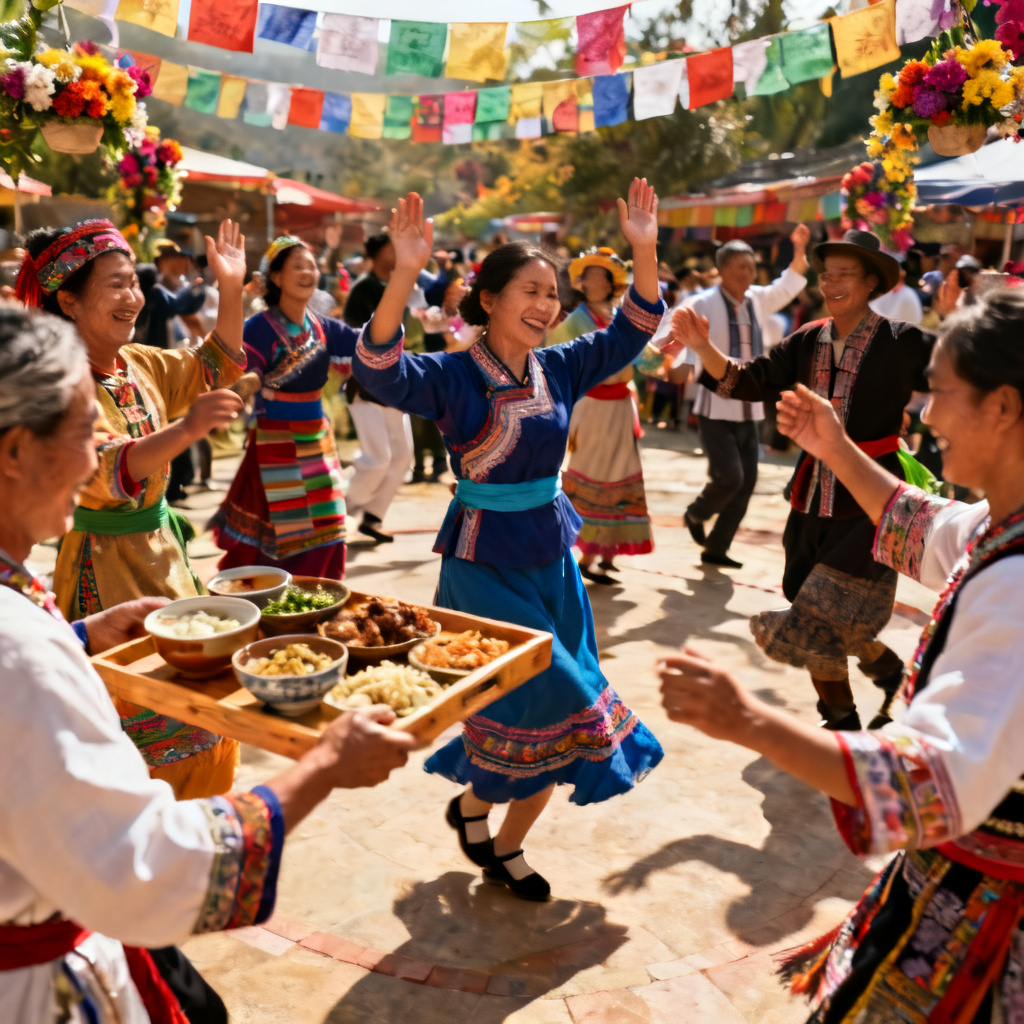
traditional practices
➕
/trəˈdɪʃənl ˈpræktɪsɪz/
n.
The established and habitual ways of behaving or doing things that are specific to a particular society, community, or period.
📘 Details & Usage
📖 Example
It's a local custom to eat mooncakes and admire the full moon during the Mid-Autumn Festival.
It's a local custom to eat mooncakes and admire the full moon during the Mid-Autumn Festival.
🔗 Collocations
social customs – Traditional behaviors accepted within a society
local customs – Practices unique to a specific region or community
cultural customs – Habits and rituals that define a culture's identity
🔄 Synonyms
tradition (n.) – A long-established custom or belief passed down through generations
convention (n.) – A widely accepted way of doing things within a group
practice (n.) – A repeated or habitual action, often culturally defined
🚫 Antonyms
innovation (n.) – A new method, idea, or product that breaks away from tradition
modernity (n.) – The state of being contemporary and rejecting old customs
🌱 Derivatives
customary (adj.) – According to or depending on custom; usual
customarily (adv.) – In a way that follows usual practice
accustomed (adj.) – Familiar with something through repeated experience
Wordbook
Your data is saved in this browser