Reading Theme:
Counteract: Definition, Usage & Examples (2 meaning)
Meaning 1:to act against (counteract)
counteract
/ˌkaʊntərˈækt/
v.
To act against something to reduce its bad effect, like using medicine to fight an illness.
to act against
➕
/tu ækt əˈɡenst/
v.
This meaning describes taking action to oppose or reduce the impact of something negative or undesirable. The focus is on mitigating harmful effects.
📘 Details & Usage
📖 Root Explanation
The word 'counteract' is formed from the prefix 'counter-' meaning 'against, opposite' and the verb 'act' meaning 'to do'. Literally, it means 'to act against'.
💡 Mnemonic
Think of a video game where you 'counter' an enemy's 'act'. To COUNTERACT is to directly oppose or block what someone or something else has done.
📖 Example
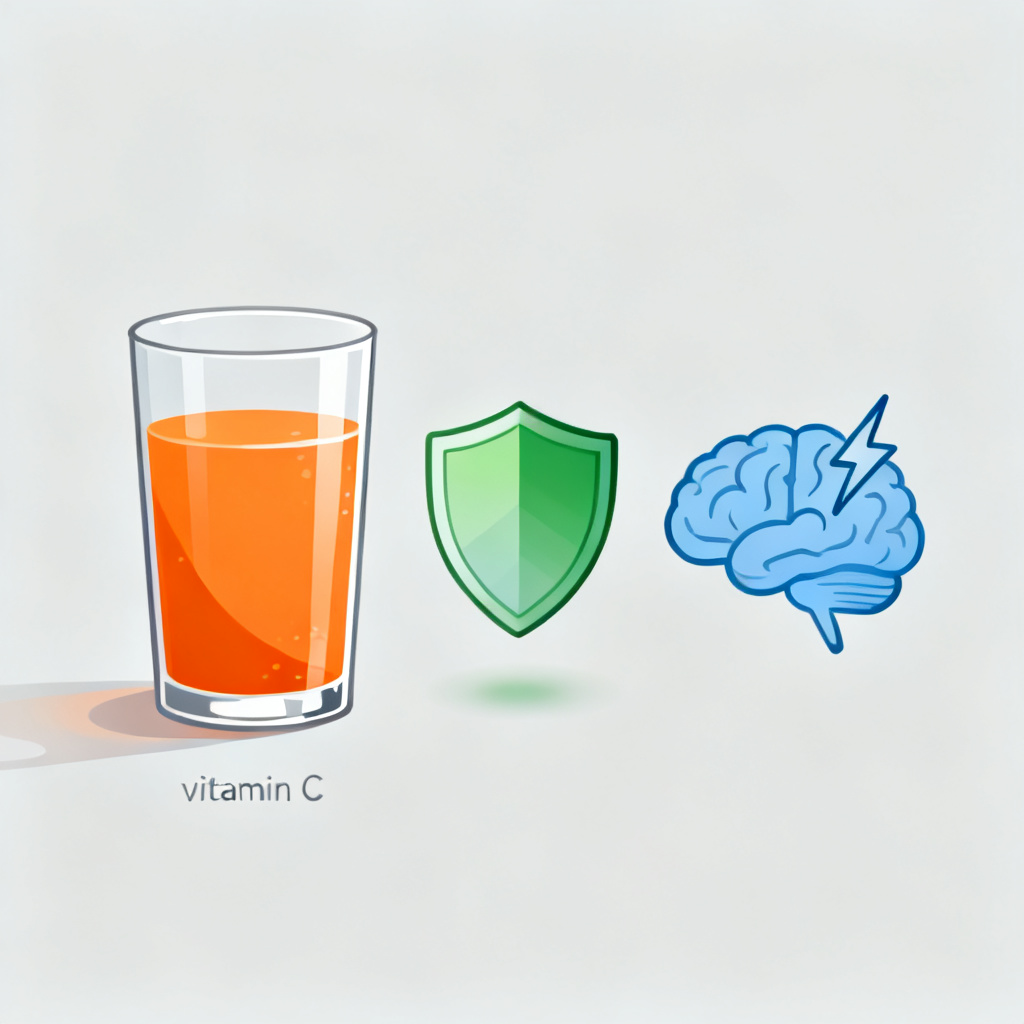
Eating foods rich in vitamin C can help counteract the tiredness you feel during a long study session.
This sentence illustrates how a natural substance (vitamin C) can be used to oppose and reduce the feeling of fatigue.
🔗 Collocations
counteract the effects – to reduce or oppose the consequences of something
counteract a decision – to take action that opposes or neutralizes a previous ruling or choice
🔄 Synonyms
offset (v.) – to balance or compensate for the effect of something
counterbalance (v.) – to have an equal and opposite effect to something else
🚫 Antonyms
🌱 Derivatives
counteraction (n.) – the act of counteracting; an action that opposes another
counteractive (adj.) – having the power or tendency to counteract
📖 Cultural Story
The term 'counteract' entered English in the late 17th century, derived from the Latin 'contra' (against) and 'agere' (to do, to act), via Old French. It reflects a long-standing human need to describe the deliberate opposition or neutralization of forces, actions, or effects. In modern contexts, it is a key term in discussions about policy (e.g., counteracting inflation), medicine (counteracting side effects), and environmental science (counteracting pollution).
Meaning 2:to neutralize (counteract)
counteract
/ˌkaʊntərˈækt/
v.
To mix with something of opposite quality to make it balanced or harmless, like an acid and a base.

to neutralize
➕
/tu ˈnjuːtrəlaɪz/
v.
This meaning refers to the process where one substance or force interacts with another of opposite quality, resulting in balance, cancellation, or a harmless state. It is often used in scientific contexts.
📘 Details & Usage
📖 Example
If your stomach feels too acidic after a spicy meal, drinking a little milk can counteract the acidity and make you feel better.
This example shows how a basic substance (milk) can neutralize an acidic condition in the stomach.
🔗 Collocations
counteract acidity – to neutralize an acidic substance or condition
counteract climate change – to take measures that oppose or mitigate the effects of global warming
🔄 Synonyms
neutralize (v.) – to make a substance chemically neutral, neither acid nor alkali; to make something ineffective
annul (v.) – to declare something legally invalid; to cancel out the effect of something
🚫 Antonyms
augment (v.) – to make something larger or more intense by adding to it
Wordbook
Your data is saved in this browser