Reading Theme:
Chronic: Definition, Usage & Common Mistakes (2 meaning)
Meaning 1:long-lasting and persistent (chronic)
chronic
/ˈkrɒnɪk/
adj.
lasting for a long time, and often difficult to cure or get rid of.

long-lasting and persistent
➕
/lɒŋ ˈlɑːstɪŋ ænd pəˈsɪstənt/
adj.
This meaning describes a condition, problem, or state that continues for a very long time, typically without a complete cure, and may require ongoing management.
📘 Details & Usage
📖 Root Explanation
Derived from Greek 'chronos' (time). The root 'chron-' indicates a long or enduring period.
💡 Mnemonic
Think of a CHRONic pain that lasts a long time, like a CHRONicle story that records events over a long period. Both relate to time.
📖 Example
My grandfather has chronic back pain from years of hard work in the fields.
My grandfather suffers from a type of back pain that is persistent and has lasted for many years due to his long history of demanding physical labor.
🔗 Collocations
chronic disease – a long-lasting medical condition that can be managed but often not cured
chronic condition – a health problem that persists over a long period
chronic illness – a prolonged sickness that requires continuous care
🔄 Synonyms
persistent (adj.) – continuing to exist or occur over a long period
incurable (adj.) – not able to be healed or cured
long-term (adj.) – lasting for or extending over a long period
🚫 Antonyms
🌱 Derivatives
chronically (adv.) – in a persistent and long-lasting manner
chronicity (n.) – the quality or state of being chronic
📖 Cultural Story
The word 'chronic' entered English in the early 15th century from French 'chronique', which in turn came from Latin 'chronicus', from Greek 'chronikos' meaning 'of time'. This origin is directly linked to the Greek word 'chronos' for time. It is used in medicine to distinguish long-lasting illnesses (chronic) from sudden, severe ones (acute).
Meaning 2:habitual or inveterate (chronic)
chronic
/ˈkrɒnɪk/
adj.
describing a person who always does something bad, or is always in a bad state.
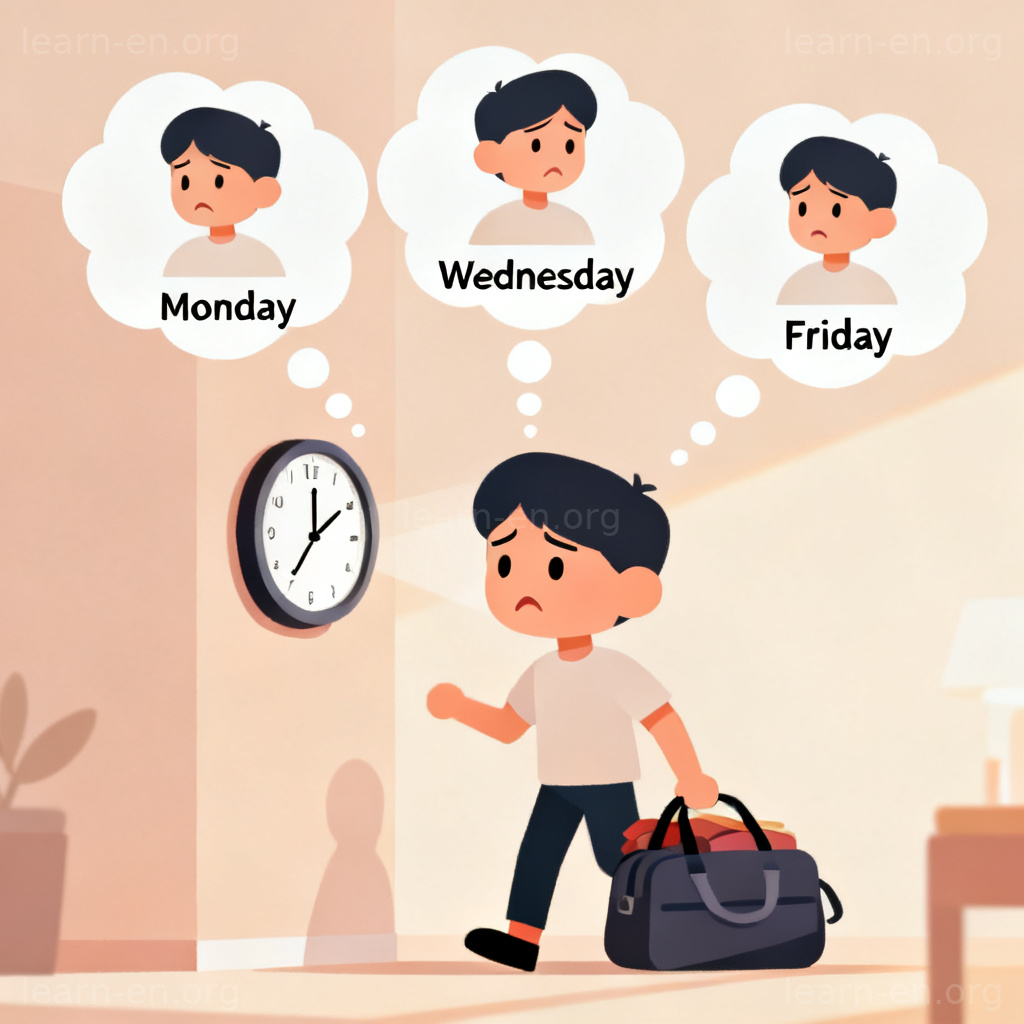
habitual or inveterate
➕
/həˈbɪtʃuəl ɔːr ɪnˈvɛtərɪt/
adj.
This meaning describes a person who has a long-established and deeply ingrained habit, typically one that is considered negative or undesirable.
📘 Details & Usage
📖 Example
He's a chronic procrastinator, always leaving his work until the last minute.
He has a deeply ingrained habit of delaying tasks, consistently postponing his duties until the deadline is imminent.
🔗 Collocations
chronic complainer – a person who habitually expresses dissatisfaction
chronic lateness – the habitual trait of being late
chronic overthinker – a person who persistently analyzes situations excessively
🔄 Synonyms
inveterate (adj.) – having a particular habit, activity, or interest that is long-established and unlikely to change
habitual (adj.) – done or doing constantly or as a habit
incorrigible (adj.) – not able to be corrected, improved, or reformed
🚫 Antonyms
occasional (adj.) – occurring, appearing, or done infrequently and irregularly
Wordbook
Your data is saved in this browser