Reading Theme:
Boulder: Definition, Usage & Examples
Meaning 1:large rock (boulder)
boulder
/ˈboʊldər/
n.
a very large, heavy, and round stone, often found near rivers or in mountains.
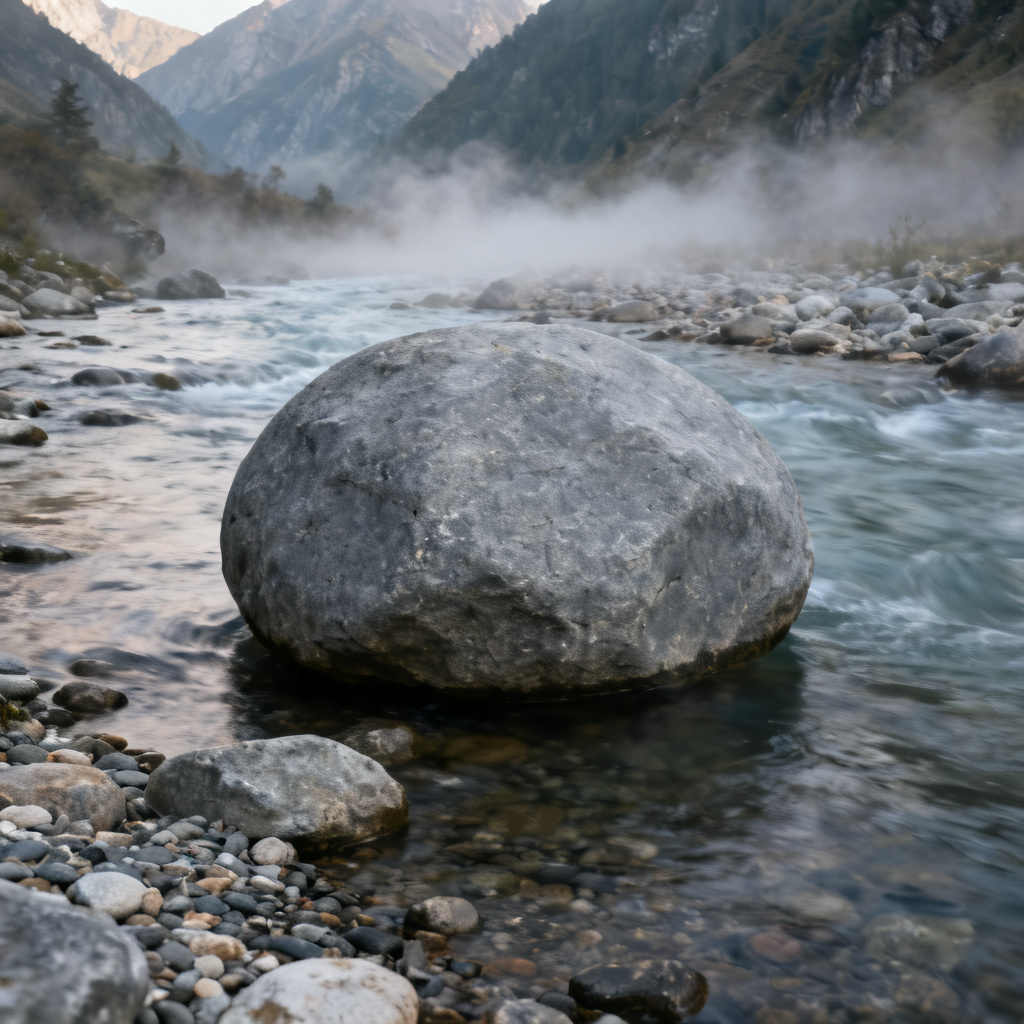
large rock
➕
/lɑːrdʒ rɒk/
n.
A boulder is a very large, heavy, and typically rounded stone, often naturally occurring in environments like riversides or mountainous areas.
📘 Details & Usage
📖 Root Explanation
From Middle English 'bulder', possibly from Old Norse 'bullr' meaning stone or boulder.
💡 Mnemonic
Think of 'boulder' as a 'bold' rock – it stands out boldly in nature due to its massive size.
📖 Example
The children tried to push the boulder but it was far too heavy for them.
The children attempted to move the large rock but found it excessively heavy.
🔗 Collocations
boulder field – an area densely covered with numerous large rocks
roll a boulder – to move a boulder by causing it to turn over
boulder climbing – the sport of climbing on large rocks without ropes
🔄 Synonyms
🚫 Antonyms
pebble (n.) – a small, smooth stone often found on beaches or riverbeds
🌱 Derivatives
bouldering (n.) – the activity or sport of climbing on large rocks or boulders
📖 Cultural Story
The term 'boulder' originated in Middle English, influenced by Old Norse, referring to large stones commonly found in glacial or riverine settings, now widely used in geology and outdoor recreation.
Wordbook
Your data is saved in this browser