Reading Theme:
Antiquity: Definition, Usage & Key Examples (3 meaning)
Meaning 1:ancient object (antiquity)
antiquity
/ænˈtɪkwəti/
n.
An object or building from ancient times, often of historical or artistic value.
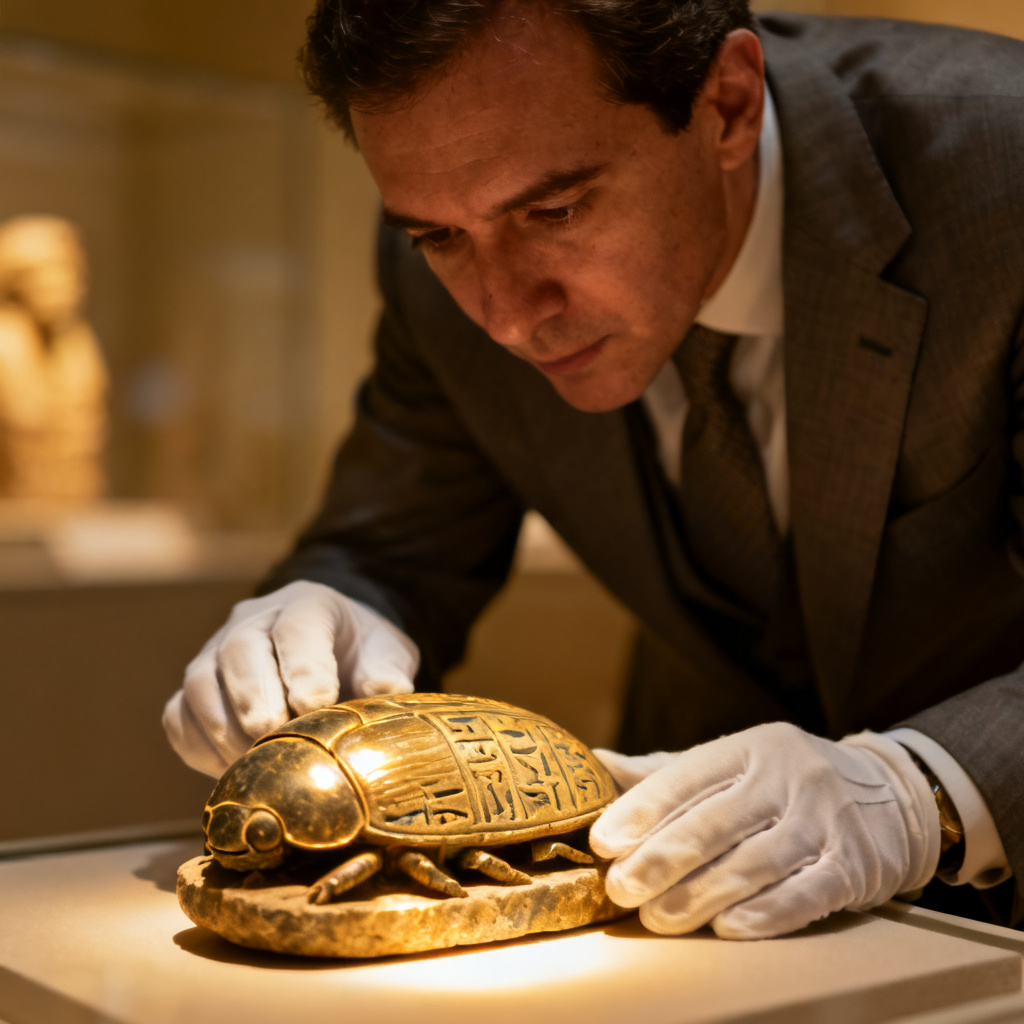
ancient object
➕
/ˈeɪnʃənt ˈɒbdʒɪkt/
n.
A physical item or structure from ancient times, often prized for historical or artistic value.
📘 Details & Usage
📖 Root Explanation
From Latin 'antiquitas', meaning 'ancient times', derived from 'antiquus' (old).
💡 Mnemonic
Think 'ancient quality' – antiquity is the quality of being ancient.
📖 Example
The museum's most prized antiquity is a delicate clay pot from a lost civilization, displayed in a glass case.
The museum's most valued ancient object is a fragile clay pot from a vanished civilization, exhibited in a glass display.
🔗 Collocations
prized antiquity – a highly valued ancient object
historical antiquity – an ancient object with significant historical importance
rare antiquity – an uncommon ancient artifact
🔄 Synonyms
🚫 Antonyms
modern object (n.) – an item from recent or contemporary times
contemporary artifact (n.) – a human-made object from the present era
🌱 Derivatives
antique (adj./n.) – belonging to ancient times; or an object from ancient times
antiquarian (n.) – a person who studies or collects antiquities
📖 Cultural Story
Derived from Latin 'antiquitas', entering English in the 14th century. It is frequently used in historical and archaeological discourse to denote the classical era or its artifacts.
Meaning 2:ancient past (antiquity)
antiquity
/ænˈtɪkwəti/
n.
The ancient past, especially the period before the Middle Ages.
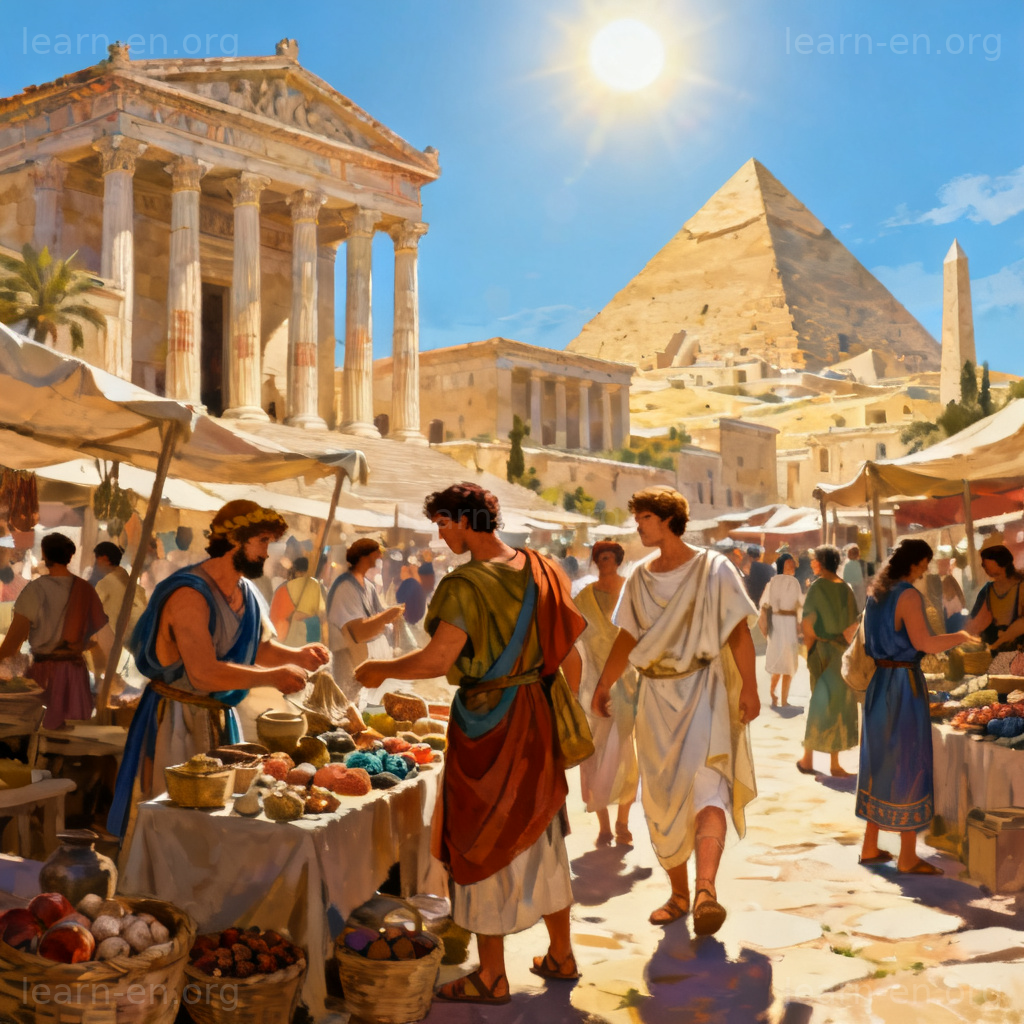
ancient past
➕
/ˈeɪnʃənt pɑːst/
n.
The historical era of ancient times, specifically the period before the Middle Ages.
📘 Details & Usage
📖 Example
Many people believe that life in antiquity was simpler, but history shows it was complex and diverse.
Many think existence in the ancient past was straightforward, but historical records reveal it was intricate and varied.
🔗 Collocations
classical antiquity – the period of ancient Greek and Roman civilization
in antiquity – during ancient times
study of antiquity – the academic field focusing on the ancient past
🔄 Synonyms
ancient times (n.) – the distant past, particularly before the medieval period
bygone era (n.) – a period in the past that has ended
olden days (n.) – informal term for times long past
🚫 Antonyms
modern era (n.) – the current or recent historical period
contemporary period (n.) – the present time or recent age
Meaning 3:ancient ruins (antiquity)
antiquity
/ænˈtɪkwəti/
n.
An ancient building or site, especially one that is partly ruined and historically significant.
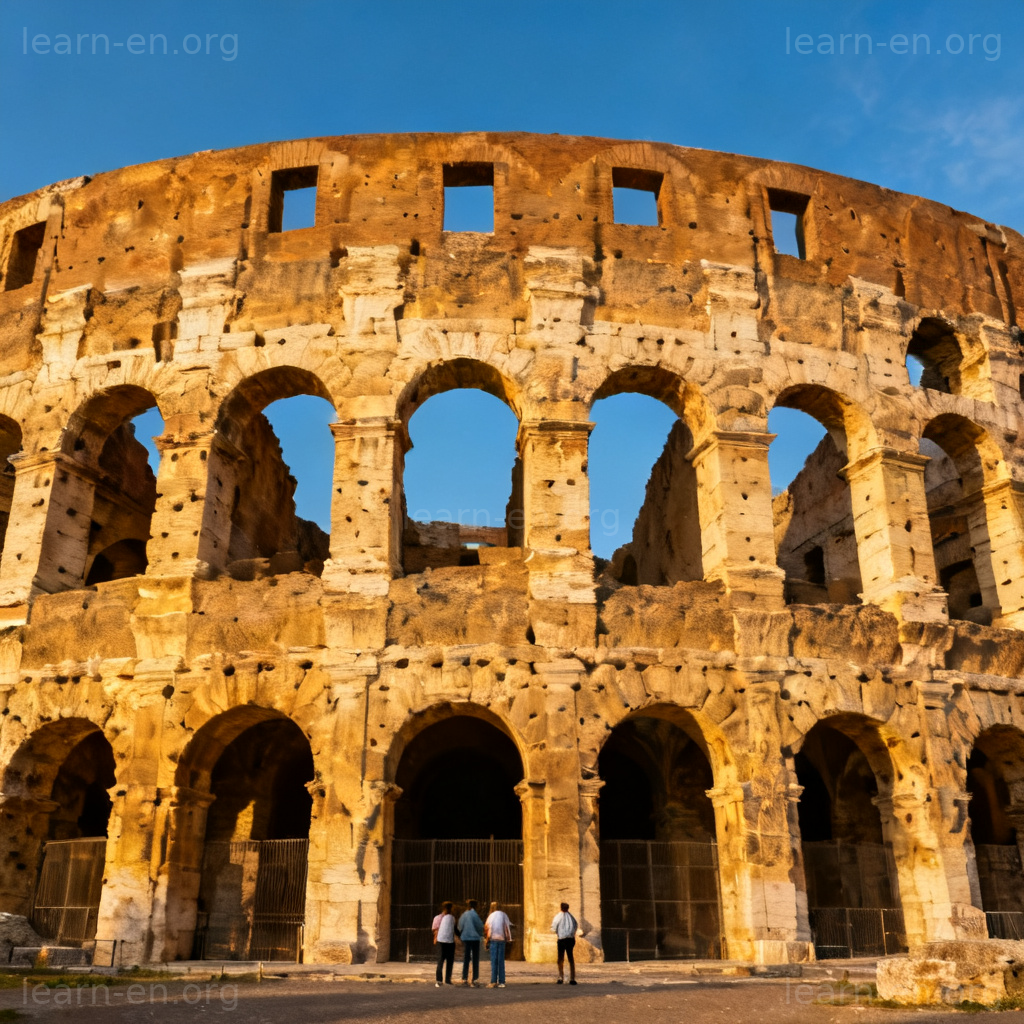
ancient ruins
➕
/ˈeɪnʃənt ˈruːɪnz/
n.
An ancient building or site that is partially destroyed but holds historical significance.
📘 Details & Usage
📖 Example
Tourists flock to Athens to see the antiquity of the Acropolis, standing majestically on the hill.
Visitors crowd Athens to witness the ancient ruins of the Acropolis, perched grandly on the hill.
🔗 Collocations
historic antiquity – an ancient ruin with notable historical value
preserved antiquity – an ancient site maintained in its original state
visit an antiquity – to go and see an ancient ruin
🔄 Synonyms
ruins (n.) – the remains of a destroyed or decayed building or settlement
archaeological site (n.) – a location with physical evidence of past human activity
monument (n.) – a structure erected to commemorate a person or event, often historical
🚫 Antonyms
modern structure (n.) – a recently built building or edifice
intact building (n.) – a structure that is complete and undamaged
Wordbook
Your data is saved in this browser