Reading Theme:
Ancient: Definition, Usage & Common Mistakes
Meaning 1:extremely old (ancient)
ancient
/ˈeɪnʃənt/
adj.
Very, very old, from a time long, long ago, especially in history.
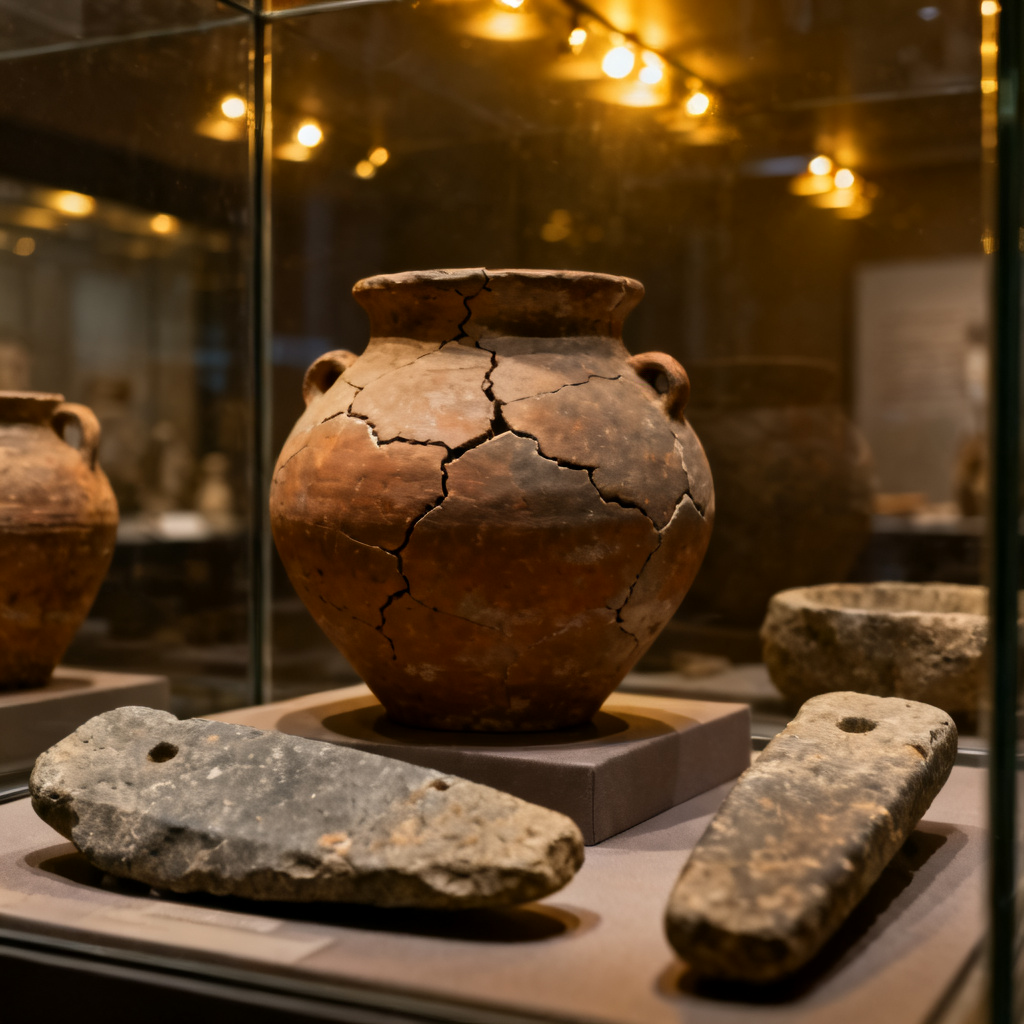
extremely old
➕
/ɪkˈstriːmli əʊld/
adj.
This adjective describes something that is immensely old, often from a distant historical period.
📘 Details & Usage
📖 Root Explanation
From Latin *ante-* ('before'), meaning 'from before'.
💡 Mnemonic
Split as 'an' + 'cient'. Think of it as belonging to an 'earlier' (ante-) era.
📖 Example
During my trip to Egypt, I was amazed by the ancient statues in the museum, which were carved thousands of years ago.
On my Egyptian vacation, I was astounded by the ancient statues carved millennia ago.
🔗 Collocations
ancient history – the study of events from the distant past
ancient civilization – a society from a long time ago, like Rome or Egypt
ancient ruins – the remains of very old buildings or structures
🔄 Synonyms
🚫 Antonyms
🌱 Derivatives
anciently (adv.) – In ancient times; in the manner of old.
📖 Cultural Story
Derived from Latin *anteanus* ('very old'), via Old French *ancien*. This term is specifically used to describe the early civilizations of Greece, Rome, and Egypt.
Wordbook
Your data is saved in this browser