Reading Theme:
Affect: Definition, Usage & Common Mistakes (2 meaning)
Meaning 1:have an impact on (affect)
affect
/əˈfekt/
vt.
to cause a change in someone or something
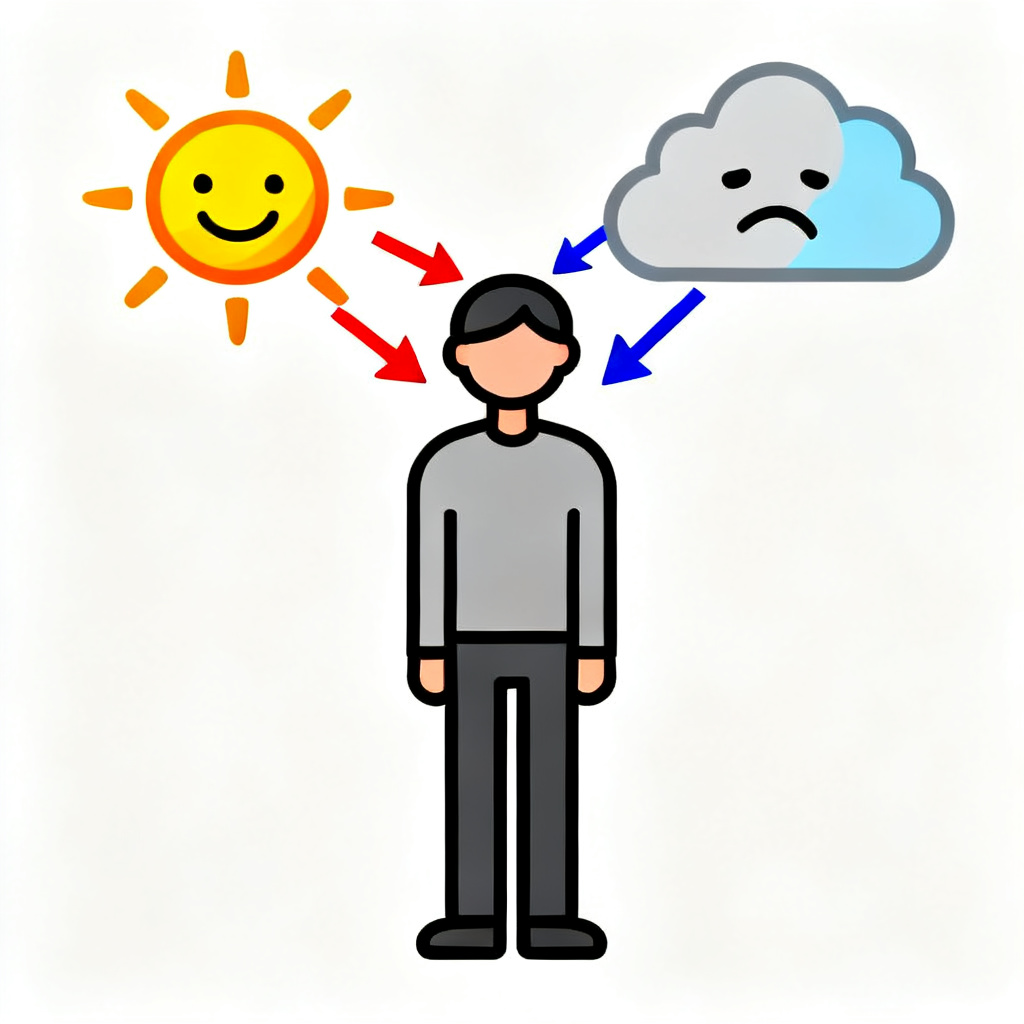
have an impact on
➕
/hæv ən ˈɪmpækt ɒn/
vt.
To produce a change or influence something or someone.
📘 Details & Usage
📖 Root Explanation
From Latin 'afficere', meaning 'to do to, influence' (ad- 'to' + facere 'do, make').
💡 Mnemonic
Think 'A for Action'. Affect is an Action word (verb) that causes change.
📖 Example
A quiet study environment can positively affect your ability to concentrate.
A quiet study environment can positively have an impact on your ability to concentrate.
🔗 Collocations
affect performance – to influence how well someone does something
affect decision-making – to influence the process of choosing
directly affect – to have an immediate and clear impact on
🔄 Synonyms
🚫 Antonyms
leave unchanged (v. phrase) – to not cause any change to something
maintain (vt.) – to cause something to continue in the same state
🌱 Derivatives
📖 Cultural Story
Originating from Latin 'afficere', meaning to 'do to' or 'influence'. It entered English in the 14th century. It is frequently confused with 'effect', a common mistake in English writing; 'affect' is primarily a verb, while 'effect' is primarily a noun.
Meaning 2:attack or infect (affect)
affect
/əˈfekt/
vt.
to attack or infect a part of the body, causing illness or problems.

attack or infect
➕
/əˈtæk ɔːr ɪnˈfekt/
vt.
To attack or infect a specific part of the body, leading to disease or health issues.
📘 Details & Usage
📖 Example
The flu can seriously affect your respiratory system, making it hard to breathe.
The flu can seriously attack or infect your respiratory system, making it hard to breathe.
🔗 Collocations
affect the lungs – to attack or cause problems for the lungs
affect the nervous system – to attack or influence the brain, spinal cord, and nerves
adversely affect – to harm or have a negative impact on (health)
Wordbook
Your data is saved in this browser